Copper Nanoparticles Aqueous Dispersion: 3wt% & 10wt% Overview
Dive into the world of advanced materials with our comprehensive overview of Copper Nanoparticles Aqueous Dispersion. Focusing on the highly versatile 3wt% and 10wt% concentrations, this article explores the unique properties, significant benefits, and cutting-edge applications of these stable copper suspensions in water. Discover how nano copper dispersion is revolutionizing industries from electronics to healthcare and beyond.
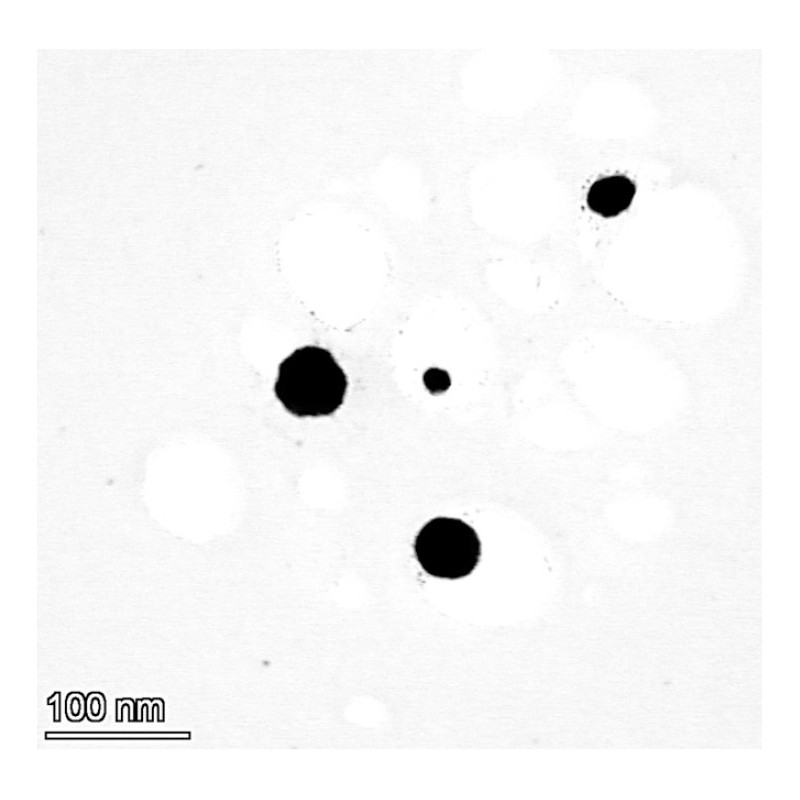
Understanding Copper Nanoparticles Aqueous Dispersion
Copper nanoparticles, tiny particles of copper typically ranging from 1 to 100 nanometers in size, exhibit fascinating and unique properties compared to bulk copper. When dispersed in water, they form a stable copper aqueous dispersion or nano copper dispersion. These suspensions leverage the high surface area-to-volume ratio and quantum mechanical effects inherent to nanomaterials. The stability of the copper nanoparticles dispersion is crucial for their usability, preventing aggregation and sedimentation over time. High purity copper nanoparticles are essential for achieving reliable and consistent performance in various applications.
Aqueous dispersions, specifically copper suspensions in water, offer several advantages, including ease of handling, environmental friendliness compared to organic solvents, and suitability for various wet-chemical processes. The concentration of copper nanoparticles in the dispersion, such as 3wt% copper suspension and 10wt% copper suspension, dictates the material's viscosity, conductivity, and required loading for specific applications. Understanding these concentrations is key to selecting the right product for your needs.
Properties and Benefits of Copper Nanoparticles
The properties of copper nanoparticles are what make their aqueous dispersions so valuable. Key characteristics include:
- High Electrical Conductivity: Essential for electronics and conductive inks.
- Excellent Thermal Conductivity: Useful in heat transfer applications.
- Potent Antimicrobial Activity: Copper ions released from the nanoparticles disrupt microbial life.
- Catalytic Activity: Large surface area enhances reaction rates.
- Optical Properties: Surface plasmon resonance can lead to interesting color effects.
The benefits of copper nanoparticles aqueous dispersion stem directly from these properties. They offer a versatile and often more cost-effective alternative to other noble metal nanoparticles. The ease of processing in liquid form allows for integration into coatings, inks, composites, and more. The stability of the copper nanoparticles in water ensures a longer shelf life and reliable performance, which is vital for industrial applications of copper nanoparticles.
Furthermore, research continues to explore the potential eco-friendly copper nanoparticles synthesis methods and applications, aiming for sustainable solutions. While copper allergen properties are a consideration in some contexts, proper encapsulation or integration into matrices can mitigate risks in specific applications.
Focus on 3wt% Copper Suspension
The 3wt% copper suspension represents a lower concentration dispersion, often preferred for applications where a less viscous liquid is needed or lower copper loading is sufficient. This nano copper dispersion is typically easier to handle and dilute further if required. Its stability makes it suitable for various research and development projects as well as certain industrial processes.
Typical uses of copper nanoparticles at this concentration include initial studies in catalysis, development of experimental conductive coatings, or integration into low-concentration antimicrobial formulations. The 3wt% dispersion provides a good balance between nanoparticle availability and ease of dispersion and processing, making it a popular choice for researchers exploring the diverse uses of copper nanoparticles.
Focus on 10wt% Copper Suspension
The 10wt% copper suspension offers a significantly higher concentration of copper nanoparticles in water. This makes it ideal for applications requiring higher copper loading, such as highly conductive inks, advanced thermal interface materials, or potent antimicrobial coatings where a strong effect is needed. While potentially more viscous than the 3wt% suspension, it provides more active material per unit volume.
The 10wt% nano copper dispersion is a workhorse in industrial applications of copper nanoparticles, particularly in electronics and advanced materials manufacturing. Its concentrated nature allows for the creation of robust conductive pathways or highly effective antimicrobial surfaces with fewer application layers. High purity copper nanoparticles at this concentration ensure maximum performance and reliability in demanding environments.
Recent Major Applications of Copper Nanoparticles
Copper nanoparticles aqueous dispersions are at the forefront of innovation across numerous sectors. Their unique properties enable applications that were previously challenging or impossible.
Antimicrobial Solutions
One of the most significant uses of copper nanoparticles is in creating antimicrobial surfaces and products. The release of copper ions effectively kills bacteria, viruses, and fungi. Copper aqueous dispersion can be incorporated into paints, coatings for textiles, medical devices, and public surfaces to prevent the spread of pathogens. For example, nano copper dispersion is being used to develop self-sanitizing door handles or coatings for hospital surfaces, offering a continuous layer of protection. The 10wt% copper suspension is particularly effective for developing durable, long-lasting antimicrobial coatings.
Electronics and Conductive Materials
The high electrical conductivity of copper nanoparticles makes them excellent candidates for conductive inks and pastes. These are crucial for printed electronics, flexible displays, RFID tags, and sensors. Copper nano-suspension can be printed onto various substrates and then sintered at relatively low temperatures to form conductive lines. This allows for the creation of complex electronic circuits on flexible or heat-sensitive materials. Both 3wt% and 10wt% copper suspensions are used, with the 10wt% often preferred for achieving lower resistivity lines in fewer passes, vital for industrial applications of copper nanoparticles in electronics.
Catalysis
Copper nanoparticles exhibit significant catalytic activity for various chemical reactions due to their large surface area. They are used in reactions such as carbon monoxide oxidation, reduction of nitro compounds, and click chemistry. The copper aqueous dispersion allows for easy introduction of the catalyst into liquid-phase reactions. Researchers are actively using high purity copper nanoparticles in research to develop more efficient and selective catalytic processes, contributing to greener chemical synthesis.
Heat Transfer Fluids
Adding copper nanoparticles to liquids can significantly enhance their thermal conductivity, creating nanofluids. Copper nano-suspension is explored for use in heat sinks, radiators, and other cooling systems to improve heat dissipation efficiency. This is particularly relevant in electronics cooling and automotive applications. The stability of the copper nanoparticles dispersion is critical here to prevent clogging and ensure long-term performance.
Lubricants and Tribology
Copper nanoparticles can act as additives in lubricants to reduce friction and wear. They can fill in microscopic surface asperities and form protective layers. Copper suspensions have shown promise in improving the performance and lifespan of mechanical components, particularly in demanding industrial settings. This is another area where the uses of copper nanoparticles are expanding rapidly.
Ensuring Stability and Purity
The performance of copper nanoparticle dispersion is highly dependent on its stability. Aggregation of nanoparticles leads to sedimentation and a loss of the unique nano-properties. High purity copper nanoparticles are formulated with stabilizers to ensure they remain dispersed uniformly in water over extended periods. Understanding the factors affecting copper nanoparticle stability, such as pH, temperature, and the presence of electrolytes, is crucial for effective storage and application.
Choosing high purity copper nanoparticles from reputable suppliers is also paramount. Impurities can negatively impact the performance, stability, and even introduce unwanted copper allergen properties in sensitive applications. Quality control during copper nanoparticle synthesis and dispersion is key to providing reliable copper suspension products for both research and industrial use.
Safety Considerations: Copper Allergen Properties
While copper is an essential trace element, exposure to copper nanoparticles requires careful consideration, particularly regarding potential copper allergen properties or irritation in sensitive individuals. In many applications, the nanoparticles are embedded within a matrix (like a coating or polymer), which significantly reduces the risk of direct contact and exposure. Proper handling procedures, including using appropriate personal protective equipment, are always recommended when working with nano copper dispersion or any nanoparticle suspension products.
Ongoing research continues to assess the long-term environmental and health impacts of nanoparticles, including copper. The focus on developing eco-friendly copper nanoparticles and sustainable applications is part of a broader effort to ensure these advanced materials can be used safely and responsibly.
Ready to Explore Copper Nanoparticle Dispersions?
Discover the potential of high purity copper nanoparticles for your research or industrial application. Learn more about our stable 3wt% and 10wt% copper aqueous dispersions.
View Product DetailsRelated Copper Suspension Products


Frequently Asked Questions about Copper Nanoparticles Aqueous Dispersion
Learn More About Our Copper Nanoparticle Products
Explore the technical specifications and potential uses of our high-quality copper nanoparticle aqueous dispersions.
Discover Our DispersionsContact Us
Have questions about copper nanoparticles aqueous dispersion or need technical assistance? Contact our experts.