
Discover 90nm Methylated Gold NanoUrchins for Your Research
In the rapidly evolving landscape of nanotechnology, the emergence of novel materials with tailored properties is revolutionizing scientific research. Among these, 90nm Methylated Gold NanoUrchins stand out as a particularly exciting development. These unique nanoparticles, characterized by their spiky, urchin-like morphology and surface methylation, offer an unprecedented combination of high surface area, enhanced stability, and tunable surface chemistry. This article delves deep into their distinctive characteristics, innovative synthesis methods, and a wide array of recent major applications, providing researchers with comprehensive insights into harnessing the full potential of these advanced gold nanourchins for science.
Explore 90nm Methylated Gold NanoUrchins Now
The Uniqueness of 90nm Methylated Gold NanoUrchins
What sets 90nm Methylated Gold NanoUrchins apart from conventional gold nanoparticles? It's their intricate structure and specialized surface modification. Unlike spherical nanoparticles, the urchin-like morphology dramatically increases their active surface area, providing more sites for molecular interactions and functionalization. The precise 90nm size offers optimal optical and catalytic properties, making these 90nm nanoparticles highly efficient for various applications.
Furthermore, the methylation of the gold surface introduces a hydrophobic character, significantly enhancing their stability in diverse biological and chemical environments. This unique characteristic of methylated gold nanoparticles minimizes aggregation, a common challenge with traditional gold nanoparticles, and prolongs their functional lifespan. This stability is crucial for long-term studies and practical applications, making methylated gold nanourchins a robust choice for cutting-edge nanourchins in research.
Gold Nanoparticles Characteristics: A Deeper Dive
Understanding the fundamental gold nanoparticles characteristics is key to appreciating the advanced nature of their urchin-like counterparts. Gold nanoparticles are renowned for their localized surface plasmon resonance (LSPR), which allows them to absorb and scatter light intensely, making them invaluable for optical sensing and imaging. Their biocompatibility and low toxicity also make them ideal candidates for biomedical applications.
With 90nm gold nanourchins, these inherent benefits are amplified. The sharp tips of the urchin structure act as "hot spots," concentrating electromagnetic fields, which significantly enhances their performance in surface-enhanced Raman spectroscopy (SERS) and other plasmonic applications. This makes them superior to simpler forms of gold nanoparticles for advanced analytical techniques.
Gold NanoUrchins Synthesis: Precision and Control
The creation of high-quality gold nanourchins requires sophisticated synthetic methodologies. While the exact protocols can vary, common approaches involve seed-mediated growth, where small gold nanoparticles act as seeds for the growth of the spiky outer shell. Careful control over reaction parameters such as temperature, pH, precursor concentration, and reducing agents is critical to achieve the desired 90nm size and urchin morphology.
The methylation step often involves post-synthesis functionalization, where specific methyl-containing ligands are attached to the gold surface. This precise gold nanourchins synthesis ensures uniform surface coverage and reproducible properties, guaranteeing the high quality and consistency essential for reliable scientific research. Researchers seeking robust and well-defined methylated nanoparticles will find these synthesis methods crucial.
Recent Major Applications of Gold NanoUrchins
The exceptional properties of 90nm Methylated Gold NanoUrchins have opened doors to a multitude of transformative applications across various scientific and technological domains. Their enhanced stability, surface area, and optical properties make them indispensable tools in modern research.
Nanourchins in Medicine: Advancing Diagnostics and Therapy
One of the most impactful areas for nanourchins in medicine is in diagnostics and therapeutics. Their unique LSPR properties enable highly sensitive detection of biomarkers for early disease diagnosis. For instance, in cancer research, gold nanourchins can be functionalized with antibodies to specifically target and detect cancer cells with high precision, offering a non-invasive diagnostic approach. Their ability to generate heat upon laser irradiation also makes them promising candidates for photothermal therapy, where they can selectively destroy cancerous cells while minimizing damage to healthy tissue.
Beyond cancer, research with gold nanourchins is exploring their use in antimicrobial applications and drug delivery systems. The methylated surface can facilitate better penetration through biological barriers, enhancing the delivery efficiency of therapeutic agents. This makes nanourchins in pharmaceuticals a rapidly growing field, promising new avenues for drug formulation and targeted delivery.
Synergy with Zinc Oxide Research and Applications
Interestingly, the properties of 90nm Methylated Gold NanoUrchins can complement and enhance existing work in zinc oxide research. Both materials possess unique properties relevant to sensing, catalysis, and biomedical applications. For example, hybrid nanomaterials combining gold nanourchins with zinc oxide nanoparticles could lead to synergistic effects, improving photocatalytic efficiency, gas sensing capabilities, or even enhancing antimicrobial activities.
Given the well-established zinc oxide properties, such as its broad-spectrum UV absorption and antimicrobial efficacy, combining it with the enhanced plasmonic and surface chemistry of gold nanourchins could unlock novel functionalities. This interdisciplinary approach in research on zinc oxide and gold nanostructures holds immense promise for developing next-generation sensors, environmental remediation technologies, and advanced materials for health, including exploring zinc oxide for health applications in skincare and wound healing.
The integration of zinc oxide applications with the advanced features of gold nanourchins could lead to more robust and efficient systems, especially in areas requiring enhanced light interaction or specific surface reactions.
Catalysis and Environmental Applications
The high surface area and numerous "hot spots" on gold nanourchins make them excellent catalysts for various chemical reactions. They can significantly enhance reaction rates and selectivity, making industrial processes more efficient and environmentally friendly. In environmental applications, these 90nm nanoparticles are being investigated for pollutant degradation and water purification, leveraging their catalytic activity and unique adsorption properties.
The stability provided by methylation also ensures their longevity and reusability in catalytic cycles, offering a sustainable solution for complex chemical transformations. This makes the gold nanourchins benefits clear for both industrial and environmental sectors.
Advanced Sensing and Imaging
The amplified LSPR effect of gold nanourchins features them prominently in advanced sensing platforms. They are used in highly sensitive biosensors for detecting pathogens, toxins, and even single molecules. Their unique optical signatures can be exploited for cellular imaging with high resolution, providing invaluable insights into biological processes at the nanoscale. The ability to precisely tune the optical properties by controlling the urchin morphology and size further expands their utility in custom sensing applications.
Frequently Asked Questions about Gold NanoUrchins
Unlock Your Research Potential with 90nm Methylated Gold NanoUrchins
The advent of 90nm Methylated Gold NanoUrchins represents a significant leap forward in nanotechnology. Their unique morphology, precise size, and stable methylated surface make them an indispensable tool for researchers pushing the boundaries of discovery. Whether your focus is on developing next-generation medical diagnostics, enhancing catalytic processes, or exploring novel materials for environmental solutions, these advanced gold nanourchins offer unparalleled performance.
Embrace the future of nanomaterials and elevate your scientific endeavors. Discover how these superior methylated gold nanoparticles can accelerate your breakthroughs and provide the precision and reliability your research demands. For comprehensive information on product specifications and to make a purchase, click the button below.
Related Products
-
Sale!

Nano Zinc Oxide Powder, (White Powder)
Original price was: ₹7,334.00.₹4,445.00Current price is: ₹4,445.00. -
Sale!

Zinc oxide nanopowder
Original price was: ₹9,189.00.₹5,569.00Current price is: ₹5,569.00. -
Sale!
Zinc-Oxide Powder ( White)
Original price was: ₹12,720.00.₹7,709.00Current price is: ₹7,709.00.
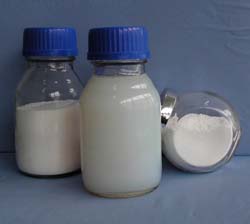
Explore our range of high-quality Zinc Oxide products, perfect for complementing your research with gold nanourchins and other advanced nanomaterials.
Contact Us
Have more questions about 90nm Methylated Gold NanoUrchins or our other advanced materials? Reach out to our expert team.