
250nm Reactant Free Gold Nanoparticles: Properties and Uses
Delve into the cutting-edge world of 250nm Reactant Free Gold Nanoparticles. These advanced nanomaterials, synthesized without harmful chemical residues, offer unparalleled purity and stability, unlocking a vast array of applications across diverse industries. From revolutionizing medicine and electronics to pioneering solutions in energy storage and environmental remediation, their unique properties of gold nanoparticles are driving groundbreaking innovations. Understand the profound reactant free gold nanoparticles benefits and their critical role in the future of nanotechnology.
Explore Our 250nm Gold Nanoparticles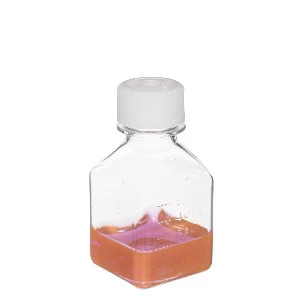
Understanding the Unique Properties of Gold Nanoparticles
Gold nanoparticles (AuNPs) have garnered immense scientific and industrial interest due to their extraordinary physical and chemical characteristics, especially at the nanoscale. The properties of gold nanoparticles are highly size- and shape-dependent, making 250nm AuNPs a specific class with distinct advantages. At this size, they exhibit unique optical properties, particularly localized surface plasmon resonance (LSPR), which allows them to absorb and scatter light efficiently, leading to their vibrant colors. Beyond optics, their exceptional biocompatibility, chemical inertness, and high surface-to-volume ratio contribute to their versatility.
A crucial aspect is the gold nanoparticles stability. Unlike many other nanomaterials, AuNPs are remarkably stable in various biological and chemical environments, resisting oxidation and degradation. This inherent stability is further enhanced when synthesized through reactant free synthesis methods, ensuring minimal impurities that could otherwise compromise their long-term performance and safety in sensitive applications. This purity is a cornerstone of the reactant free gold nanoparticles benefits, offering a cleaner, more predictable material for advanced research and commercial uses.
The Purity Advantage: Reactant-Free Gold Nanoparticle Synthesis
Traditional gold nanoparticles synthesis often involves chemical reducing agents and stabilizers, which can leave behind residues on the nanoparticle surface. These residues, while sometimes functional, can also introduce toxicity, reduce biocompatibility, or interfere with the desired surface chemistry for specific applications. This is where reactant free synthesis methods for gold nanoparticles truly shine.
These innovative methods, which are a cornerstone of modern reactant free gold nanoparticles research, aim to produce AuNPs with minimal to no residual chemicals. Techniques such as laser ablation in liquid, physical vapor deposition, and certain advanced electrochemical methods fall under this category. The primary reactant free gold nanoparticles benefits include:
- Enhanced Purity: Eliminates the need for post-synthesis purification steps, ensuring a cleaner product.
- Superior Biocompatibility: Reduces the risk of cytotoxicity or adverse biological reactions, critical for medical applications.
- Improved Surface Chemistry: The pristine surface allows for more precise and effective functionalization, crucial for targeted drug delivery or sensor development.
- Increased Stability: Absence of unwanted ligands can lead to more intrinsic and robust gold nanoparticles stability.
The development of these methods is pivotal for advancing fields where purity and safety are paramount, directly impacting the viability of reactant free gold nanoparticles uses in sensitive environments.
Transforming Healthcare: Gold Nanoparticles in Medicine
The application of gold nanoparticles in medicine represents one of the most exciting and rapidly evolving areas of nanotechnology. Their unique properties, including biocompatibility, surface plasmon resonance, and ease of functionalization, make them ideal candidates for a range of biomedical interventions. The 250nm size offers specific advantages for cellular uptake and circulation times, making them highly effective for targeted therapies.
Gold Nanoparticles for Cancer Therapy
One of the most promising applications is gold nanoparticles for cancer therapy. AuNPs can be engineered to specifically target cancer cells, delivering therapeutic payloads directly to the tumor site. This includes:
- Photothermal Therapy (PTT): When irradiated with specific wavelengths of light, AuNPs can generate heat, selectively destroying cancer cells while minimizing damage to healthy tissue.
- Radiosensitization: Their high atomic number allows AuNPs to enhance the effects of radiation therapy, making tumors more susceptible to treatment.
- Photodynamic Therapy (PDT): Acting as photocatalysts, AuNPs can generate reactive oxygen species upon light exposure, leading to cancer cell death.
Gold Nanoparticles in Drug Delivery
Beyond direct therapy, gold nanoparticles in drug delivery offer a sophisticated platform for precision medicine. They can encapsulate or bind to various therapeutic agents, including chemotherapy drugs, genes, and proteins. The controlled release of these agents at the desired location, often triggered by external stimuli (like light or pH changes), significantly improves therapeutic efficacy and reduces systemic side effects. This targeted approach is a major stride in personalized medicine.
Gold Nanoparticles for Diagnostics and Imaging
The optical and electronic properties of AuNPs make them indispensable in diagnostics. Gold nanoparticles for diagnostics are utilized in highly sensitive biosensors for early disease detection, pathogen identification, and biomarker analysis. Their ability to produce strong optical signals or alter electrical conductivity upon molecular binding allows for rapid and accurate detection at very low concentrations.
Furthermore, gold nanoparticles in imaging serve as superior contrast agents. They enhance resolution and contrast in various imaging modalities such as Computed Tomography (CT), Magnetic Resonance Imaging (MRI), and particularly optical imaging techniques. Their strong light scattering properties are leveraged for in-vivo imaging, enabling better visualization of tissues, tumors, and cellular processes, paving the way for more precise surgical interventions and disease monitoring.
Nanotechnology Beyond Medicine: Electronics, Energy, and Environment
The impact of 250nm reactant-free gold nanoparticles extends far beyond healthcare, profoundly influencing other critical sectors. Their purity and unique electronic properties make them invaluable in various advanced technological applications, often in conjunction with other nanomaterials like carbon nanotubes.
Carbon Nanotubes in Electronics and Nanotechnology
The synergy between gold nanoparticles and carbon nanotubes (CNTs) is particularly powerful. Carbon nanotubes in electronics are revolutionizing the field with their exceptional electrical conductivity and mechanical strength, enabling the development of next-generation sensors, flexible displays, and high-performance transistors. When AuNPs are integrated, especially through functionalized carbon nanotubes innovations, the combined material exhibits enhanced properties. For instance, AuNPs can act as catalysts for CNT growth or serve as active sites for molecular sensing, leading to highly sensitive and selective devices.
This integration is a prime example of carbon nanotubes in nanotechnology, where precise engineering at the atomic level yields macroscopic benefits. The functionalized carbon nanotubes properties, which include tunable surface chemistry and enhanced dispersion, are crucial for creating stable and efficient hybrid nanocomposites with gold nanoparticles for diverse applications. The rapid growth of the functionalized carbon nanotubes market reflects the increasing demand for these versatile materials in advanced electronics and beyond.
The broad spectrum of functionalized carbon nanotubes applications, from conductive inks to advanced composites, benefits immensely from the inclusion of high-purity AuNPs, leading to superior performance and durability.
Carbon Nanotubes for Energy Storage
In the quest for sustainable energy solutions, carbon nanotubes for energy storage are at the forefront. Their high surface area and excellent conductivity make them ideal for supercapacitors and advanced battery electrodes. The incorporation of 250nm reactant-free gold nanoparticles can further optimize these systems. AuNPs can improve charge transfer kinetics, enhance electrode stability, and even act as catalysts for specific electrochemical reactions, leading to higher energy density and faster charging capabilities in devices like lithium-ion batteries and fuel cells.
Carbon Nanotubes and Environmental Applications
The environmental sector also stands to gain significantly. Carbon nanotubes and environmental applications include advanced water purification systems, air filtration, and catalytic converters for pollution control. Gold nanoparticles, particularly those synthesized without reactants, act as efficient catalysts for the degradation of pollutants in water and air. When combined with the high adsorption capacity of CNTs, these hybrid materials can create highly effective filtration membranes and catalytic reactors for environmental remediation, offering sustainable solutions to pressing ecological challenges.
The Future of Reactant-Free Gold Nanoparticles Research
The field of nanotechnology is in constant evolution, and reactant free gold nanoparticles research continues to push boundaries. Scientists are exploring novel reactant free synthesis methods to achieve even finer control over particle size, shape, and surface characteristics. The focus remains on scalability, cost-effectiveness, and environmental sustainability in production.
Future reactant free gold nanoparticles uses are likely to expand into areas such as quantum computing, advanced photonics, and even more sophisticated bio-integrated systems. The ongoing innovations in functionalized carbon nanotubes innovations, coupled with advancements in AuNP synthesis, promise to unlock materials with unprecedented properties, driving the next wave of technological breakthroughs. The synergy between these two cutting-edge materials will continue to be a fertile ground for discovery, propelling the functionalized carbon nanotubes market and the broader nanotechnology industry forward.
Frequently Asked Questions (FAQs)
Related Products
Contact Us
For more information on 250nm Reactant Free Gold Nanoparticles or to discuss your specific needs, please reach out to our team.