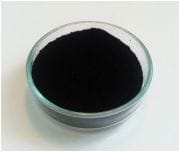
Understanding 150nm Gold Nanoparticles: Reactant Free Technology
In the rapidly advancing field of nanotechnology, gold nanoparticles stand out as a cornerstone material due to their unique optical, electronic, and catalytic properties. Among the myriad of sizes and forms, 150nm gold nanoparticles offer a distinctive blend of characteristics that make them particularly valuable for a wide array of cutting-edge applications. What truly elevates their potential, however, is the advent of reactant-free technology in their synthesis. This revolutionary approach ensures unparalleled purity and biocompatibility, addressing critical challenges faced by traditional synthesis methods.
This comprehensive article delves deep into the world of 150nm gold nanoparticles, exploring their fundamental properties, the transformative impact of reactant-free synthesis methods, and their groundbreaking roles in medicine, diagnostics, and various other sectors of nanotechnology. We will examine how this specific 150nm particle size influences their behavior and performance, and the rigorous processes involved in gold nanoparticles characterization to ensure their quality and efficacy. Join us as we uncover the science and innovation behind these remarkable nanoscale gold particles.
Explore 150nm Reactant-Free Gold Nanoparticles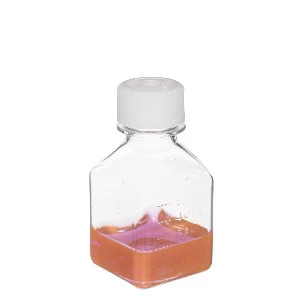
The Essence of 150nm Gold Nanoparticles: Precision at the Nanoscale
Gold nanoparticles are colloidal suspensions of gold particles ranging from 1 to 1000 nanometers in diameter. The choice of 150nm particle size is not arbitrary; it represents a sweet spot for numerous applications, particularly where precise optical properties, surface area, and cellular interaction are paramount. At this scale, gold exhibits unique plasmonic resonance properties, leading to strong light absorption and scattering, which are highly tunable based on size and shape. These optical properties are crucial for applications in diagnostics and imaging.
Unlike larger gold particles, nanoscale gold particles at 150nm still retain a high surface-to-volume ratio, facilitating efficient surface modification for specific functionalities. This balance between size and surface area makes them ideal candidates for drug delivery systems, where a significant payload needs to be carried, and for biosensing applications requiring high sensitivity. The intrinsic properties of these gold nanoparticles, including their inertness and non-toxicity, contribute significantly to their appeal in biological and medical contexts.
Understanding the fundamental physics and chemistry at play is essential for harnessing the full potential of these particles. The electron cloud oscillations (surface plasmon resonance) in 150nm gold nanoparticles are highly sensitive to their local environment, allowing them to act as highly effective transducers in biosensors. Furthermore, their ability to absorb light and convert it into heat makes them powerful agents for photothermal therapies, especially in oncology. The precise control over the 150nm particle size during gold nanoparticles synthesis is therefore a critical step, directly impacting their performance across all desired applications.
Unveiling Reactant-Free Synthesis Methods: The Purity Paradigm for Gold Nanoparticles
Traditional gold nanoparticles synthesis methods, such as the Turkevich method, often involve reducing gold salts using strong chemical reducing agents (e.g., sodium citrate, sodium borohydride). While effective, these methods can leave residual reactants and by-products adsorbed onto the nanoparticle surface. These impurities can significantly compromise the biocompatibility of gold nanoparticles, their stability, and their performance, especially in sensitive biological or catalytic applications.
This is where reactant-free technology emerges as a game-changer. A truly reactant-free synthesis method eliminates the need for external chemical reducing agents, producing ultra-pure gold nanoparticles with pristine surfaces. Methods leveraging physical processes like laser ablation in liquid or electrochemical approaches fall under this category. These advanced techniques ensure that the final product is composed solely of gold and the solvent (typically ultra-pure water), leading to several distinct advantages:
- Enhanced Biocompatibility: Without residual chemicals, reactant-free gold nanoparticles are inherently more biocompatible, reducing potential cytotoxic effects and making them safer for in-vivo applications such as gold nanoparticles in medicine and gold nanoparticles for drug delivery.
- Improved Stability: The absence of adsorbed impurities can lead to better long-term gold nanoparticle stability, preventing aggregation and maintaining their optical and physical properties over time.
- Pristine Surface for Functionalization: A clean surface allows for more efficient and specific gold nanoparticles surface modification, enabling precise conjugation with biomolecules (antibodies, DNA, drugs) without interference from contaminants. This is vital for advanced gold nanoparticles in diagnostics and therapeutic applications.
- Reproducibility: Eliminating variable reactant concentrations simplifies the synthesis process, leading to more reproducible batches of 150nm gold nanoparticles with consistent properties.
The pursuit of reactant-free synthesis methods represents a significant leap forward in gold nanoparticles in nanotechnology, paving the way for safer, more effective, and highly reliable nanomaterials for the most demanding applications.
Rigorous Gold Nanoparticles Characterization: Ensuring Quality and Performance
The successful application of 150nm gold nanoparticles hinges on their precise characterization. Given their nanoscale dimensions, their properties are highly dependent on size, shape, surface chemistry, and aggregation state. Comprehensive gold nanoparticles characterization is therefore indispensable to validate their quality and predict their performance in various applications. Key characterization techniques include:
- Transmission Electron Microscopy (TEM): Provides direct visualization of particle size, shape, and morphology, confirming the desired 150nm particle size and uniform distribution.
- Dynamic Light Scattering (DLS): Measures the hydrodynamic diameter and polydispersity index (PDI), indicating the overall size distribution and homogeneity of the colloidal suspension.
- UV-Visible Spectroscopy: Detects the surface plasmon resonance (SPR) peak, which is highly sensitive to particle size, shape, and aggregation. For 150nm gold nanoparticles, the SPR peak provides a fingerprint of their optical properties.
- Zeta Potential: Measures the surface charge of the nanoparticles, providing insights into their colloidal stability and potential for interaction with biological systems. A high zeta potential (positive or negative) generally indicates good colloidal gold nanoparticle stability.
- Inductively Coupled Plasma Mass Spectrometry (ICP-MS): Quantifies the gold concentration and detects any trace impurities, directly validating the "reactant-free" nature of the synthesis.
- X-ray Diffraction (XRD): Confirms the crystalline structure of the gold nanoparticles.
These techniques collectively provide a holistic understanding of the synthesized nanoscale gold particles, ensuring they meet the stringent requirements for high-stakes applications, particularly in biomedicine where purity and consistency are paramount for the biocompatibility of gold nanoparticles.
Recent Major Applications of 150nm Gold Nanoparticles: Pioneering the Future
The unique gold nanoparticles properties, especially when produced via reactant-free technology, unlock an expansive range of applications. The 150nm particle size is particularly advantageous for its balance of high surface area, robust optical properties, and optimal cellular uptake kinetics, making these particles highly sought after in advanced research and commercial products.
Gold Nanoparticles in Medicine and Healthcare
The most transformative impact of gold nanoparticles is arguably within the medical field, leveraging their inherent biocompatibility and tunable properties.
- Gold Nanoparticles for Drug Delivery: The ability of 150nm gold nanoparticles to encapsulate or conjugate with therapeutic agents makes them excellent drug delivery vehicles. Their size allows for passive targeting of tumors (due to enhanced permeability and retention, or EPR effect) and enables targeted delivery when functionalized with specific ligands. This minimizes off-target effects and maximizes drug concentration at the diseased site, revolutionizing gold nanoparticles and cancer therapy and gene therapy.
- Gold Nanoparticles in Diagnostics and Biosensing: Their exceptional optical properties, particularly the surface plasmon resonance, make nanoscale gold particles ideal for highly sensitive diagnostic tools. They are employed in rapid diagnostic tests, lab-on-a-chip devices, and highly sensitive biosensors for detecting biomarkers of diseases, pathogens, and environmental toxins. The high signal amplification offered by gold nanoparticles for biosensing can lead to earlier and more accurate diagnoses.
- Gold Nanoparticles for Imaging: Serving as superior contrast agents, 150nm gold nanoparticles enhance the resolution and contrast in various medical imaging modalities, including Computed Tomography (CT), Magnetic Resonance Imaging (MRI), and Photoacoustic Imaging. Their high atomic number allows for strong X-ray attenuation in CT, while their plasmonic properties enable excellent photoacoustic signal generation, providing clearer images for disease detection and treatment monitoring.
- Gold Nanoparticles and Cancer Therapy: Beyond drug delivery, gold nanoparticles are directly utilized in cancer therapy. Their ability to absorb light and generate localized heat (photothermal therapy) can precisely ablate cancer cells with minimal damage to healthy tissue. They also act as radiosensitizers, enhancing the efficacy of radiation therapy by increasing the local dose delivered to tumor cells. The low toxicity of reactant-free gold nanoparticles is crucial for these therapeutic interventions.
- Biocompatibility of Gold Nanoparticles: The paramount importance of biocompatibility of gold nanoparticles for in-vivo applications cannot be overstated. Reactant-free synthesis ensures that these particles are free from harmful residues, making them safer for direct introduction into the human body for diagnosis or therapy.
Gold Nanoparticles in Research and Nanotechnology
Beyond medicine, gold nanoparticles are fundamental tools in broader nanotechnology research and development:
- Catalysis: Nanoscale gold particles exhibit remarkable catalytic activity for a wide range of chemical reactions, often outperforming bulk gold. Their high surface area and unique electronic structure facilitate efficient conversion of reactants into products, making them valuable in industrial processes and environmental remediation.
- Optoelectronics: The tunable plasmonic properties of 150nm gold nanoparticles are exploited in optoelectronic devices, including solar cells, light-emitting diodes (LEDs), and optical filters, enhancing light harvesting and manipulation.
- Environmental Applications: From sensing pollutants in water and air to acting as catalysts for degrading harmful organic compounds, gold nanoparticles in research are contributing to cleaner environments.
- Material Science: Incorporating gold nanoparticles into composite materials can impart novel properties, such as enhanced conductivity, improved mechanical strength, or specific optical responses, leading to advanced functional materials.
Gold Nanoparticle Stability and Surface Modification: Tailoring for Success
The long-term performance and efficacy of gold nanoparticles are critically dependent on their gold nanoparticle stability in various media. Factors such as pH, ionic strength, temperature, and the presence of biomolecules can influence their aggregation state. Aggregation leads to a loss of desired properties and can render the nanoparticles ineffective or even harmful. Reactant-free gold nanoparticles inherently offer better stability due to their pristine surface, which reduces non-specific interactions.
However, for targeted applications, gold nanoparticles surface modification is often necessary. This involves attaching specific molecules to the nanoparticle surface to impart new functionalities, enhance stability in complex biological environments, or enable targeted delivery. Common surface modification strategies include:
- Polymer Coating: Using polymers like polyethylene glycol (PEGylation) to create a hydrophilic "stealth" layer, preventing non-specific protein adsorption and prolonging circulation time in vivo, crucial for gold nanoparticles for drug delivery.
- Ligand Conjugation: Attaching specific targeting ligands (e.g., antibodies, peptides, aptamers) that bind to receptors on specific cells (e.g., cancer cells), enabling highly selective delivery of diagnostics or therapeutics.
- Silica Coating: Encapsulating gold nanoparticles in a silica shell can enhance their chemical stability and provide a versatile platform for further functionalization.
The ability to precisely control gold nanoparticles surface modification is key to unlocking their full potential across the spectrum of gold nanoparticles applications, from advanced biosensors to highly specific therapeutic agents.
Discover the Future of Nanotechnology with Hiyka's Reactant-Free Gold Nanoparticles
As we've explored, 150nm gold nanoparticles synthesized using reactant-free technology represent the pinnacle of purity, stability, and versatility in the nanoscale world. Their profound impact on fields ranging from advanced medical treatments to cutting-edge materials science underscores their importance in driving future innovation. Hiyka is at the forefront of providing these high-quality, ultra-pure nanoscale gold particles, meticulously characterized for your most demanding research and development needs.
Whether your work involves enhancing diagnostic sensitivity, developing next-generation drug delivery systems, or pioneering new catalytic processes, our reactant-free gold nanoparticles offer the reliability and performance you require. Embrace the power of uncompromised purity and precision.
Learn More and Order Your Reactant-Free Gold Nanoparticles Today