
Exploring 50nm Endotoxin Free Silver Nanoparticles in 1-Ethyl-3-methylimidazolium
Delve into the cutting-edge realm of nanotechnology where 50nm endotoxin free silver nanoparticles are revolutionizing various scientific and industrial applications. This article specifically explores their fascinating synthesis, unique properties, and diverse applications when prepared in the innovative ionic liquid, 1-Ethyl-3-methylimidazolium. Understand the critical aspects of their biocompatibility, stability, and the burgeoning role of ionic liquids and silver nanoparticles in modern research.
Explore Our 50nm Silver Nanoparticles
The Dawn of Nanotechnology: Why Silver Nanoparticles?
Silver nanoparticles (AgNPs) have garnered immense attention in the scientific community due to their unique physical, chemical, and biological properties. Their high surface-area-to-volume ratio, excellent electrical and thermal conductivity, and potent antimicrobial activity make them indispensable across a myriad of fields. However, the presence of endotoxins, which are lipopolysaccharides (LPS) from the outer membrane of Gram-negative bacteria, can severely limit the biomedical and pharmaceutical applications of nanoparticles. This is where endotoxin free silver nanoparticles become crucial, ensuring safety and efficacy for sensitive applications like drug delivery and diagnostics.
The quest for cleaner, safer, and more efficient methods for the synthesis of silver nanoparticles has led researchers to explore novel green chemistry approaches. Traditional synthesis often involves toxic reducing agents and stabilizing agents, posing environmental concerns. Green synthesis of silver nanoparticles, utilizing plant extracts, microbes, or biocompatible solvents, offers a sustainable alternative, aligning with the growing demand for eco-friendly nanotechnology.
Unveiling 1-Ethyl-3-methylimidazolium: A Revolutionary Solvent
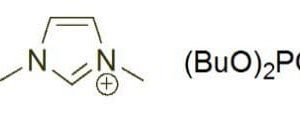
1-Ethyl-3-methylimidazolium, often abbreviated as [EMIM][X] where X is an anion, is a prominent example of an ionic liquid. Ionic liquids are molten salts that are liquid at or near room temperature, possessing unique properties such as negligible vapor pressure, high thermal stability, broad electrochemical window, and excellent solvent capabilities for a wide range of organic and inorganic compounds. These characteristics make them ideal candidates for various chemical processes, including the synthesis and stabilization of nanomaterials.
The characterization of 1-Ethyl-3-methylimidazolium involves understanding its physical and chemical attributes, such as viscosity, density, conductivity, and its interaction with different solutes. Its role as a solvent for nanoparticles is particularly significant. The specific 1-Ethyl-3-methylimidazolium solvent properties allow for controlled growth and stabilization of nanoparticles, preventing aggregation and ensuring uniform size distribution, which is critical for achieving desired functional properties, especially for 50nm silver nanoparticles.
The synergistic interaction between ionic liquids and silver nanoparticles is a rapidly expanding area of research. Ionic liquids can act as both solvents and stabilizing agents, facilitating the formation of well-dispersed and stable nanoparticles. This interaction is key to achieving excellent nanoparticle stability in ionic liquids, which is paramount for their long-term performance in diverse applications.
Synthesis and Characterization of 50nm Endotoxin Free Silver Nanoparticles in [EMIM]
Achieving precise control over the size and morphology of silver nanoparticles is essential for tailoring their properties. The synthesis of 50nm endotoxin free silver nanoparticles in 1-Ethyl-3-methylimidazolium typically involves a carefully controlled reduction of silver salts within the ionic liquid medium. The ionic liquid not only serves as a solvent but also influences the nucleation and growth processes, often leading to monodisperse nanoparticles. Techniques such as UV-Vis spectroscopy, Transmission Electron Microscopy (TEM), Dynamic Light Scattering (DLS), and X-ray Diffraction (XRD) are crucial for the comprehensive characterization of these nanoparticles, confirming their size, shape, crystallinity, and dispersion.
The "endotoxin-free" aspect is achieved through meticulous purification protocols post-synthesis. This might involve specific washing steps, filtration, or other methods designed to remove any potential endotoxin contamination, making the safety of silver nanoparticles a top priority for biomedical applications. The presence of silver nanoparticles in imidazolium offers a unique environment that can contribute to this purity and stability.
Major Applications of 50nm Endotoxin Free Silver Nanoparticles
The unique properties of 50nm silver nanoparticles, especially when endotoxin-free and synthesized in advanced solvents like 1-Ethyl-3-methylimidazolium, open doors to a vast array of applications across various sectors:
1. Biomedical and Healthcare Applications
- Antimicrobial Agents: Silver nanoparticles are well-known for their broad-spectrum antimicrobial activity against bacteria, viruses, and fungi. Endotoxin free silver nanoparticles are particularly valuable for wound dressings, coatings for medical devices, and as components in antimicrobial textiles, minimizing the risk of inflammatory responses in patients.
- Drug Delivery Systems: The small size (50nm) and biocompatibility of these nanoparticles make them excellent candidates for targeted silver nanoparticles in drug delivery. They can encapsulate drugs and deliver them to specific cells or tissues, enhancing therapeutic efficacy and reducing side effects. For instance, in cancer therapy, silver nanoparticles for cancer therapy can be functionalized to target tumor cells, delivering chemotherapeutic agents directly.
- Diagnostics and Imaging: Their optical properties (Surface Plasmon Resonance) make them useful in biosensors, diagnostic kits, and as contrast agents for medical imaging. The development of advanced diagnostic tools relies heavily on the precise characteristics offered by 50nm silver nanoparticles.
- Biocompatibility of Silver Nanoparticles: Ensuring biocompatibility is paramount for any material intended for in-vivo applications. Rigorous testing is performed to confirm that these nanoparticles do not elicit adverse immune responses, making them suitable for their intended therapeutic or diagnostic roles.
2. Catalysis and Industrial Applications
- Catalysis: The high surface area of 50nm silver nanoparticles provides numerous active sites for catalytic reactions. They are employed in various chemical transformations, including oxidation, reduction, and organic synthesis, offering improved reaction rates and selectivity. The unique solvent properties of 1-Ethyl-3-methylimidazolium can further enhance catalytic efficiency.
- Electronics and Conductive Materials: Their excellent electrical conductivity makes them suitable for conductive inks, pastes, and coatings used in flexible electronics, printed circuit boards, and touch screens.
- Water Purification: Due to their antimicrobial properties, silver nanoparticles are increasingly used in water filtration systems to eliminate pathogens, providing safe drinking water.
3. Environmental Remediation
- Pollutant Degradation: Silver nanoparticles in imidazolium can be used to degrade various environmental pollutants, including organic dyes and heavy metals, showcasing their potential in environmental cleanup.
- Environmental Impact of Silver Nanoparticles: While beneficial, researchers are also actively studying the long-term environmental impact of silver nanoparticles to ensure their sustainable use and responsible disposal, especially considering their widespread application. This includes assessing their fate and transport in ecosystems.
The Role of Imidazolium in Nanotechnology and Future Outlook
The role of imidazolium in nanotechnology extends beyond just a solvent; it's a platform for advanced material synthesis. The ability of 1-Ethyl-3-methylimidazolium and nanomaterials to interact synergistically opens up new avenues for creating highly stable, functional, and tailored nanoparticles. This interaction can influence nanoparticle size, shape, and surface chemistry, leading to enhanced performance in specific applications.
The future of silver nanoparticles research is bright, focusing on further enhancing their safety, efficacy, and environmental sustainability. Research is geared towards developing more precise control over nanoparticle synthesis, exploring new functionalization strategies for targeted delivery, and understanding their long-term biological interactions. The continued exploration of green synthesis of silver nanoparticles and their integration with advanced ionic liquids like 1-Ethyl-3-methylimidazolium will undoubtedly lead to groundbreaking innovations.
As we continue to push the boundaries of materials science, the combination of 50nm endotoxin free silver nanoparticles and advanced ionic liquids like 1-Ethyl-3-methylimidazolium stands as a testament to the power of interdisciplinary research. These advancements promise a healthier, more sustainable future across various scientific and technological domains.
Discover More About Our Nanoparticle SolutionsFrequently Asked Questions
Q: What makes 50nm endotoxin-free silver nanoparticles unique for biomedical applications?
A: The 50nm size is optimal for cellular uptake and targeted delivery, while being "endotoxin-free" ensures the absence of bacterial lipopolysaccharides that can trigger inflammatory responses. This combination makes them exceptionally safe and effective for sensitive biomedical uses, including silver nanoparticles in drug delivery and diagnostics, enhancing the overall biocompatibility of silver nanoparticles.
Q: How does 1-Ethyl-3-methylimidazolium contribute to the quality of silver nanoparticles?
A: 1-Ethyl-3-methylimidazolium acts as a unique solvent and stabilizing agent during the synthesis of silver nanoparticles. Its ionic nature helps control nanoparticle growth, preventing aggregation and leading to monodisperse particles with uniform size, such as 50nm silver nanoparticles. This significantly enhances nanoparticle stability in ionic liquids and influences their overall performance and purity.
Q: Are there environmental concerns regarding silver nanoparticles, and how are they addressed?
A: Yes, the environmental impact of silver nanoparticles is a subject of ongoing research. Concerns include their potential release into ecosystems and their effects on aquatic life. To address this, emphasis is placed on green synthesis of silver nanoparticles, developing recovery and recycling methods, and conducting thorough lifecycle assessments to ensure responsible production and disposal practices.
Q: In what ways are 1-Ethyl-3-methylimidazolium applications expanding in nanotechnology?
A: The unique 1-Ethyl-3-methylimidazolium properties, such as low volatility and high thermal stability, make it an excellent medium for synthesizing a wide range of nanomaterials beyond just silver. Its applications are expanding in areas like catalysis, electrochemistry, and separation processes, solidifying the role of imidazolium in nanotechnology as a versatile and sustainable solvent for advanced material synthesis.
Q: What is the significance of "endotoxin free" in the context of silver nanoparticles?
A: "Endotoxin free" means the silver nanoparticles have been purified to remove lipopolysaccharides (LPS), which are potent inflammatory agents found in Gram-negative bacteria. For applications such as silver nanoparticles in biomedical applications, especially when interacting with biological systems (e.g., drug delivery, implants), the absence of endotoxins is critical to prevent adverse immune reactions, ensuring the safety of silver nanoparticles for therapeutic use.
Related Products
Contact Us
Have more questions or need specific solutions? Reach out to our experts!