
100nm Endotoxin Free Gold NanoUrchins: A Game Changer
In the rapidly evolving landscape of nanotechnology, 100nm Endotoxin Free Gold NanoUrchins are emerging as a revolutionary material, redefining possibilities across various scientific and medical disciplines. Their unique urchin-like morphology, combined with an unparalleled level of purity, makes them exceptionally suited for sensitive biological applications where the presence of even trace endotoxins can compromise results and patient safety. This comprehensive article delves into the intricate details of their synthesis, the critical role of Imidazolium-based ionic liquids in gold nanoparticles, and their groundbreaking Applications of gold nanourchins, from advanced diagnostics to targeted therapeutic interventions.
Discover Our Gold NanoUrchins
Understanding Gold NanoUrchins: Structure and Synthesis
Gold nanourchins, named for their spiky, star-like appearance, are a distinct class of anisotropic gold nanoparticles. Unlike spherical nanoparticles, their pointed protrusions offer an increased surface area and localized electromagnetic field enhancement, properties highly desirable for various applications. The precise control over their morphology and size, particularly at the 100nm scale, is crucial for optimizing their performance in biological systems. The Gold nanourchins synthesis process is complex, often involving seed-mediated growth methods where gold ions are reduced onto pre-formed gold seeds in the presence of various growth-directing agents.
The Pivotal Role of Imidazolium-based Ionic Liquids in Gold Nanoparticles Synthesis
A significant innovation in the synthesis of high-quality gold nanourchins involves the use of Imidazolium-based ionic liquids in gold nanoparticles. These unique salts, liquid at room temperature, offer several advantages over traditional solvents. Their tunable properties, including viscosity, polarity, and ability to act as both solvent and template, provide an exceptional environment for controlled nanoparticle growth. The use of Imidazolium ionic liquids for nanomedicine applications is particularly noteworthy, as they can facilitate the creation of nanoparticles with superior purity and tailored surface characteristics.
The Ionic liquid properties for gold nanoparticles synthesis contribute significantly to achieving the desired 100nm size and the distinctive urchin morphology. They can influence nucleation rates, crystal growth, and the stabilization of the growing nanoparticles, leading to highly uniform and stable structures. This precision in Nanoengineering with gold nanourchins is paramount for their effectiveness in advanced applications.
The Endotoxin-Free Imperative: Enhancing Biocompatibility
One of the most critical advancements highlighted by Endotoxin free gold nanourchins is their exceptional purity. Endotoxins, lipopolysaccharides (LPS) derived from the outer membrane of Gram-negative bacteria, are potent immune activators. Even minute quantities can trigger severe inflammatory responses in biological systems, compromising experimental integrity in research and patient safety in therapeutic applications. Achieving an Endotoxin free gold nanourchins product is a significant hurdle, as standard nanoparticle synthesis methods often introduce or fail to remove these contaminants effectively.
The commitment to producing Endotoxin free gold nanourchins ensures unparalleled Gold nanourchins and biocompatibility. This makes them ideal for direct in vivo applications, cell culture studies, and diagnostic assays where minimizing non-specific biological interactions and immune responses is paramount. This level of purity is a true "game-changer" for researchers and clinicians pushing the boundaries of nanomedicine.
Surface Modification and Stability: Key to Performance
The functionalization of gold nanourchins is crucial for tailoring their interactions with biological entities. Surface modification of gold nanourchins allows for the attachment of targeting ligands, therapeutic molecules, or imaging agents. This process is often enhanced by the unique surface chemistry facilitated by ionic liquids used during synthesis or post-synthesis functionalization.
Furthermore, the Stability of gold nanourchins in ionic liquids during synthesis and storage is a key factor in maintaining their structural integrity and preventing aggregation. Ionic liquids can act as stabilizing agents, preventing the nanoparticles from agglomerating and preserving their unique morphology and size distribution, which is essential for consistent performance in various applications, particularly within complex Gold nanourchins in biological systems.
Recent Major Applications of Gold NanoUrchins
The unique properties of 100nm Endotoxin Free Gold NanoUrchins have opened doors to a myriad of groundbreaking applications. Their high surface area, localized surface plasmon resonance (LSPR) properties, and excellent biocompatibility make them indispensable tools in modern science and medicine. Here are some of the most impactful recent applications:
1. Gold Nanourchins for Drug Delivery and Targeted Therapy
One of the most promising areas is Gold nanourchins for drug delivery. Their spiky surface provides ample sites for loading therapeutic agents, such as chemotherapy drugs, genes, or proteins. The ability to precisely tune their size to 100nm is critical for optimal cellular uptake and biodistribution, avoiding rapid clearance by the reticuloendothelial system while still being large enough for effective payload delivery. Moreover, their surface can be functionalized with specific antibodies or peptides, enabling Gold nanourchins for targeted therapy, ensuring that drugs are delivered directly to diseased cells or tissues, minimizing off-target effects and toxicity to healthy cells. For instance, in cancer treatment, nanourchins can be engineered to release drugs only upon specific triggers, like changes in pH or temperature.
2. Gold Nanourchins in Cancer Therapy
Beyond drug delivery, Gold nanourchins in cancer therapy are revolutionizing treatment modalities. Their strong LSPR properties allow them to efficiently convert light energy into heat, making them excellent candidates for photothermal therapy (PTT). When irradiated with a near-infrared laser, the nanourchins heat up, selectively destroying cancerous cells without harming surrounding healthy tissue. This approach offers a minimally invasive and highly precise method for tumor ablation. Furthermore, they can be utilized in photodynamic therapy (PDT) by carrying photosensitizers to tumor sites, which then produce reactive oxygen species upon light activation, leading to cell death. The enhanced permeability and retention (EPR) effect in tumors further aids the accumulation of these 100nm nanoparticles at the disease site.
3. Gold Nanourchins as Imaging Agents
The unique optical properties and high atomic number of gold make Gold nanourchins as imaging agents incredibly effective. They are widely used in enhanced computed tomography (CT) imaging, providing superior contrast compared to traditional iodine-based agents, allowing for clearer visualization of tumors and vascular structures. Their light-scattering properties also make them excellent contrast agents for optical coherence tomography (OCT) and dark-field microscopy. Furthermore, by incorporating magnetic elements or radioisotopes, gold nanourchins can be adapted for multimodal imaging, combining the benefits of different imaging techniques for comprehensive diagnostic insights. This capability is crucial for early disease detection and monitoring treatment response within Gold nanourchins in biological systems.
4. Biosensing and Diagnostics
The high surface area and plasmonic properties of gold nanourchins make them highly sensitive platforms for biosensing. They can be functionalized to detect specific biomarkers, pathogens, or environmental toxins with high precision and speed. The LSPR shifts upon binding of target molecules allow for label-free detection, simplifying diagnostic procedures. This capability is crucial for point-of-care diagnostics and early disease detection.
5. Catalysis and Environmental Applications
While often highlighted for biomedical uses, gold nanourchins also exhibit excellent catalytic activities due to their high surface energy and numerous active sites. They are being explored in various chemical reactions, including organic synthesis and environmental remediation, such as the degradation of pollutants. This demonstrates the broad applicability of Nanoengineering with gold nanourchins beyond the biomedical field.
Characterization and Quality Assurance
The success of 100nm Endotoxin Free Gold NanoUrchins in sensitive applications hinges on rigorous Characterization of gold nanourchins. Techniques such as Transmission Electron Microscopy (TEM) and Scanning Electron Microscopy (SEM) are used to confirm their unique morphology and precise 100nm size. Dynamic Light Scattering (DLS) measures their hydrodynamic diameter and polydispersity, ensuring uniformity. UV-Vis spectroscopy confirms their optical properties, while Inductively Coupled Plasma Mass Spectrometry (ICP-MS) quantifies gold concentration. Crucially, endotoxin levels are meticulously assessed using assays like the Limulus Amebocyte Lysate (LAL) test to guarantee their endotoxin-free status, reinforcing their suitability for Imidazolium ionic liquids for nanomedicine and other biomedical uses.
Innovations and the Future of Gold NanoUrchins
The field of gold nanourchin technology is continuously evolving. Innovations in gold nanourchin technology are focused on further refining synthesis methods to achieve even greater control over size, shape, and surface chemistry. Researchers are exploring novel Imidazolium-based ionic liquids and their applications in creating more complex hierarchical nanostructures with enhanced functionalities. The integration of artificial intelligence and machine learning in optimizing synthesis parameters is also emerging as a promising avenue.
The role of Ionic liquids for enhancing nanoparticle performance extends beyond synthesis to their stabilization and functionalization, paving the way for next-generation nanomaterials. As our understanding of Gold nanourchins in biological systems deepens, we can expect to see even more sophisticated applications, pushing the boundaries of personalized medicine, advanced diagnostics, and regenerative therapies. The inherent biocompatibility of gold nanourchins, especially when endotoxin-free, positions them at the forefront of these exciting developments.
Conclusion: The Dawn of a New Era in Nanomedicine
100nm Endotoxin Free Gold NanoUrchins represent a monumental leap forward in nanotechnology. Their unique physical properties, combined with the groundbreaking achievement of endotoxin-free purity, and the pivotal Role of ionic liquids in nanotechnology, make them an indispensable tool for advanced biomedical research and clinical applications. From highly precise Gold nanourchins for targeted therapy and transformative Gold nanourchins in cancer therapy to superior Gold nanourchins as imaging agents, these nanoparticles are truly a game-changer.
As research continues to unveil their full potential, particularly with ongoing Innovations in gold nanourchin technology and the refinement of Imidazolium ionic liquids for nanomedicine, we can anticipate a future where these tiny urchin-like structures play an even more significant role in diagnosing, treating, and preventing diseases, ultimately improving human health and well-being on a global scale. The meticulous Characterization of gold nanourchins and emphasis on their biocompatibility will continue to drive their adoption and success.
Frequently Asked Questions (FAQs)
Related Products
-
Sale!

1-(2-Hydroxyethyl)-3-Methylimidazolium Bis(trifluoromethylsulfonyl)Imide, 99%
Price range: ₹28,128.00 through ₹1,579,426.00 -
Sale!

1-Allyl-3-Methylimidazolium Bis(trifluoromethylsulfonyl)Imide, 99%
Price range: ₹32,752.00 through ₹456,604.00 -

1-Benzyl-3-Methylimidazolium Bis(trifluoromethylsulfonyl)Imide, 99%
Price range: ₹32,752.00 through ₹456,604.00 -
Sale!

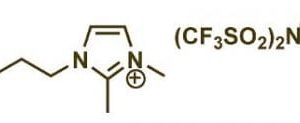
1-Butyl-2,3-Dimethylimidazolium Bis(trifluoromethylsulfonyl)Imide, 99%
Original price was: ₹32,456.00.₹17,082.00Current price is: ₹17,082.00. -
Sale!

1-Butyl-3-Ethylimidazolium Tetrafluoroborate, 98%
Original price was: ₹33,790.00.₹17,784.00Current price is: ₹17,784.00. -
Sale!

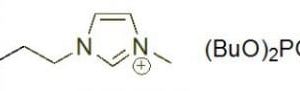
1-Butyl-3-Methylimidazolium Dibutylphosphate, 97%
Original price was: ₹72,026.00.₹37,908.00Current price is: ₹37,908.00. -

1-Butyl-3-vinylimidazolium bis(trifluoromethylsulfonyl)imide, 98%
-
Sale!

1-Decyl-3-Methylimidazolium Bromide, >98%
Original price was: ₹34,679.00.₹18,252.00Current price is: ₹18,252.00. -
Sale!

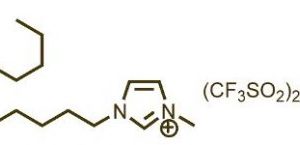
1-Dodecyl-3-Methylimidazolium Bis(trifluoromethylsulfonyl)imide, 98%
Original price was: ₹57,354.00.₹30,186.00Current price is: ₹30,186.00.





Contact Us
Have more questions about our 100nm Endotoxin Free Gold NanoUrchins or their applications? Reach out to our experts!