30nm Endotoxin-Free Silver Nanoparticles: A Breakthrough in Nanotechnology
In the rapidly evolving landscape of materials science, 30nm Endotoxin-Free Silver Nanoparticles represent a significant leap forward, offering unparalleled purity and performance for a myriad of advanced applications. This breakthrough addresses critical challenges in biomedical, environmental, and industrial sectors, promising safer and more effective solutions. As we delve into the world of nanotechnology innovations, understanding the unique properties and meticulous synthesis of silver nanoparticles becomes paramount, especially when considering the rigorous nanoparticle safety standards required for sensitive uses.
Explore 30nm Endotoxin-Free Silver Nanoparticles
The Dawn of Endotoxin-Free Silver Nanoparticles
Traditional methods for synthesizing silver nanoparticles often leave behind impurities, notably endotoxins, which are lipopolysaccharides derived from the outer membrane of Gram-negative bacteria. These endotoxins can trigger severe inflammatory responses in biological systems, severely limiting the silver nanoparticles in biomedical applications and other sensitive areas. The advent of endotoxin-free silver nanoparticles at 30nm is a game-changer, ensuring a product of exceptional purity vital for drug delivery, diagnostics, and therapeutics. This innovation underscores a pivotal shift towards higher safety and efficacy in nanoparticle safety standards, unlocking new frontiers for their widespread adoption.
Revolutionizing Synthesis: Achieving Unprecedented Purity
The core of this breakthrough lies in the advanced synthesis of silver nanoparticles. Achieving an endotoxin-free state requires meticulous control over every aspect of the production process, from raw material selection to purification. Green synthesis of silver nanoparticles methods are increasingly favored, utilizing benign reducing agents and stabilizers to minimize environmental impact and reduce the risk of contamination. Techniques like citrate reduction, chemical reduction using plant extracts, and advanced physical methods are being refined to produce highly uniform, stable, and pure nanoparticles.
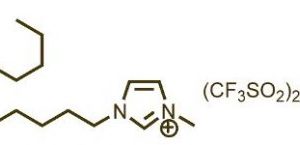
A key area of research involves the use of novel solvents and templates. For instance, the exploration of 1-Dodecyl-3-methylimidazolium as an ionic liquid has shown promise in creating controlled environments for nanoparticle growth. 1-Dodecyl-3-methylimidazolium properties, such as high thermal stability, non-volatility, and tunable polarity, make it an attractive medium for precise nanoparticle synthesis, potentially contributing to the reduction of endotoxin contamination by providing a cleaner reaction environment. Understanding 1-Dodecyl-3-methylimidazolium synthesis methods is crucial for developing scalable and cost-effective production routes for these high-purity materials.
Unlocking Potential: Diverse Applications of Silver Nanoparticles
The purity and precise sizing (30nm) of these nanoparticles significantly expand their utility across various sectors. The benefits of silver nanoparticles, particularly their potent antimicrobial properties, are now fully harnessable without the concern of endotoxin-induced adverse reactions.
Silver Nanoparticles in Biomedical Applications: A New Era
- Drug Delivery: Endotoxin-free 30nm silver nanoparticles can act as effective nanocarriers for targeted drug delivery, particularly in oncology and infectious disease treatment. Their small size allows them to penetrate biological barriers, while their purity ensures minimal immunogenic response. Research into 1-Dodecyl-3-methylimidazolium in drug delivery systems, often in conjunction with nanoparticles, is exploring new avenues for enhanced therapeutic efficacy and reduced side effects.
- Antimicrobial Use: The well-established ability of silver nanoparticles for antimicrobial use is amplified by their endotoxin-free nature, making them suitable for wound dressings, medical device coatings, and even as components in advanced disinfectants without the risk of contaminating wounds or patient tissues.
- Diagnostics: In biosensing and imaging, these pure nanoparticles offer enhanced sensitivity and specificity. They can be integrated into diagnostic kits for rapid detection of pathogens or biomarkers, providing reliable results crucial for early disease intervention.
Nanoparticles for Environmental Applications: Guardians of Purity
Beyond healthcare, nanoparticles for environmental applications are gaining traction. 30nm endotoxin-free silver nanoparticles can play a vital role in:
- Water Purification: Their antimicrobial properties make them excellent candidates for water filters, effectively neutralizing bacteria and viruses in drinking water systems, providing a safer and cleaner water supply.
- Pollutant Degradation: These nanoparticles can catalyze the degradation of various organic pollutants in wastewater, offering an efficient and eco-friendly approach to environmental remediation.
Applications of Silver Nanoparticles in Cosmetics and Consumer Products
The beauty and personal care industry is also embracing these advancements. Given the enhanced safety profile, applications of silver nanoparticles in cosmetics include:
- Preservatives: Extending shelf-life of products by inhibiting microbial growth.
- Skincare: Utilizing their antimicrobial and anti-inflammatory properties in acne treatments or soothing creams, with reduced risk of skin irritation due to endotoxin absence.
- Textiles: Integrating into fabrics for odor control and hygiene, a prime example of silver nanoparticles for antimicrobial use in everyday items.
Ensuring Quality: Nanoparticle Characterization Techniques and Safety
To guarantee the efficacy and safety of 30nm endotoxin-free silver nanoparticles, rigorous nanoparticle characterization techniques are essential. These include:
- Transmission Electron Microscopy (TEM) and Scanning Electron Microscopy (SEM): For size, shape, and morphology analysis.
- Dynamic Light Scattering (DLS): To determine hydrodynamic size and polydispersity.
- UV-Vis Spectroscopy: For confirming nanoparticle formation and concentration.
- Zeta Potential Analysis: To assess surface charge and stability.
- Limulus Amebocyte Lysate (LAL) Assay: Crucial for verifying endotoxin levels, ensuring compliance with stringent nanoparticle safety standards.
The impact of silver nanoparticles on health is a paramount concern. Endotoxin-free status significantly mitigates risks associated with immune responses. Continuous research and adherence to international guidelines are vital to ensure long-term safety, especially as advancements in nanoparticle research continue to expand their applications.
The Future of Silver Nanoparticle Technology and Nanotechnology Innovations
The field of nanotechnology is dynamic, with constant trends in nanotechnology pushing the boundaries of what's possible. The development of 30nm endotoxin-free silver nanoparticles is a testament to these ongoing nanotechnology innovations. Future research will likely focus on:
- Scalable Green Synthesis: Developing more efficient and environmentally friendly methods for large-scale production, building upon initial successes in green synthesis of silver nanoparticles.
- Targeted Modifications: Further functionalizing the surface of these nanoparticles to enhance specific targeting in biological systems or improve catalytic efficiency in environmental applications. This could involve more complex 1-Dodecyl-3-methylimidazolium applications, such as using its derivatives for surface functionalization.
- Smart Nanoparticle Systems: Creating nanoparticles that respond to specific stimuli (pH, temperature, light) for controlled release in drug delivery or on-demand environmental remediation.
- Regulatory Frameworks: Evolving nanoparticle safety standards and regulatory guidelines to keep pace with rapid innovation, ensuring responsible development and deployment of these powerful materials.
The future of silver nanoparticle technology is bright, promising transformative impacts across medicine, industry, and environmental protection. The commitment to purity, safety, and precise engineering, exemplified by 30nm endotoxin-free silver nanoparticles, will be the cornerstone of these future successes.
Learn More About Our Endotoxin-Free NanoparticlesFrequently Asked Questions About Endotoxin-Free Silver Nanoparticles
Related Products
Explore our range of related products, including various forms of 1-Dodecyl-3-methylimidazolium, which complement the advancements in silver nanoparticle technology.
Contact Us for More Information
Have more questions or need specific details about our 30nm Endotoxin-Free Silver Nanoparticles or other nanotechnology solutions? Please feel free to reach out to our experts.