30nm Endotoxin-Free Silver Nanoparticles: Key to Safe Biomedical Solutions

In the rapidly advancing field of biomedicine, the demand for materials that are both highly effective and impeccably safe is paramount. Among the myriad of nanomaterials, silver nanoparticles have emerged as a frontrunner due to their remarkable antimicrobial properties and diverse applications. However, their full potential in sensitive biomedical environments has often been limited by concerns regarding purity, specifically the presence of endotoxins. This article delves into the groundbreaking significance of 30nm endotoxin-free silver nanoparticles, highlighting how they are revolutionizing the landscape of safe biomedical solutions and paving the way for advanced healthcare innovations.

We will explore the unique characteristics of silver nanoparticles at the 30nm scale, the critical need for endotoxin removal, and the pivotal role of innovative compounds like 1-Dodecyl-3-methylimidazolium in achieving unparalleled purity and stability. From their synthesis to their burgeoning biomedical applications of silver nanoparticles, join us as we uncover how these meticulously engineered nanoparticles are setting new standards for safety and efficacy in medicine.

Discover Our Endotoxin-Free Silver Nanoparticles
30nm Endotoxin-Free Silver Nanoparticles

The Imperative of Endotoxin-Free Nanomaterials for Biomedical Applications

The journey of nanoparticles from laboratory synthesis to clinical application is fraught with challenges, one of the most significant being the presence of contaminants. Among these, endotoxins, also known as lipopolysaccharides (LPS), are particularly notorious. These potent inflammatory molecules, derived from the outer membrane of Gram-negative bacteria, can trigger severe immune responses in biological systems, ranging from fever and inflammation to septic shock. When silver nanoparticles in medicine are intended for intravenous administration, drug delivery systems, or direct contact with human tissues, the presence of even trace amounts of endotoxins can negate their therapeutic benefits and pose serious health risks. This underscores the critical demand for endotoxin-free silver nanoparticles, a prerequisite for truly safe biomedical solutions.

Achieving this level of purity is not merely an added advantage; it is a fundamental requirement for ensuring silver nanoparticles safety and accelerating their adoption in clinical settings. Traditional methods of nanoparticle synthesis often leave behind endotoxin residues, necessitating advanced purification techniques. The focus on endotoxin-free silver nanoparticles directly addresses this challenge, opening doors for their widespread and confident use in sensitive healthcare applications. This commitment to purity is what elevates advanced silver nanoparticles beyond their conventional counterparts, making them indispensable for cutting-edge medical research and treatment.

Decoding the Power of 30nm Endotoxin-Free Silver Nanoparticles

The efficacy and safety of silver nanoparticles are profoundly influenced by their physical characteristics, with size being a paramount factor. 30nm silver nanoparticles represent an optimal size for many biomedical applications, balancing high surface area-to-volume ratio for maximum reactivity with favorable biodistribution and cellular uptake profiles. This specific size range enhances their interaction with biological targets, making them highly effective as antimicrobial agents and promising candidates for targeted drug delivery.

Characteristics of Silver Nanoparticles at 30nm

Advantages of Endotoxin-Free Nanoparticles

The "endotoxin-free" designation is a game-changer. It means these nanoparticles are meticulously processed to remove harmful bacterial endotoxins, which can otherwise compromise patient safety and skew research outcomes. The advantages of endotoxin-free nanoparticles include:

The synthesis of silver nanoparticles with such high purity demands sophisticated techniques and rigorous quality control, ensuring that every batch of 30nm endotoxin-free silver nanoparticles meets the highest standards for safe biomedical solutions.

The Unsung Hero: 1-Dodecyl-3-methylimidazolium in Advanced Nanoparticle Synthesis

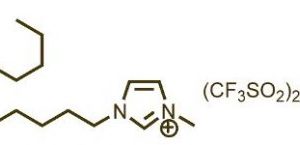
Achieving truly endotoxin-free silver nanoparticles, particularly at the precise 30nm scale, is a complex endeavor that often relies on innovative chemical agents. One such compound that has shown remarkable promise is 1-Dodecyl-3-methylimidazolium. This ionic liquid plays a multifaceted role in the synthesis and purification processes, contributing significantly to the overall quality and safety of the final product.

1-Dodecyl-3-methylimidazolium Properties and Benefits

The unique chemical structure of 1-Dodecyl-3-methylimidazolium properties allows it to act as both a solvent and a stabilizing agent during nanoparticle synthesis. Its ionic nature facilitates the controlled reduction of silver ions, leading to uniform nanoparticle growth and preventing undesirable aggregation. The key 1-Dodecyl-3-methylimidazolium benefits include:

How to Use 1-Dodecyl-3-methylimidazolium in Nanoparticle Production

Integrating 1-Dodecyl-3-methylimidazolium into the synthesis of silver nanoparticles typically involves using it as a reaction medium or an additive during the reduction process. Researchers and manufacturers interested in how to use 1-Dodecyl-3-methylimidazolium effectively focus on optimizing its concentration and reaction conditions to achieve desired nanoparticle size, morphology, and purity. Its application ensures a more controlled and cleaner synthesis pathway, which is crucial for producing high-grade 30nm silver nanoparticles suitable for sensitive biomedical applications.

1-Dodecyl-3-methylimidazolium Applications and Research

Beyond its role in synthesis, the broader 1-Dodecyl-3-methylimidazolium applications extend into various chemical and material science domains. In the context of nanomedicine, its potential in advanced formulations, including enhanced 1-Dodecyl-3-methylimidazolium in drug delivery systems, is a subject of ongoing 1-Dodecyl-3-methylimidazolium research. Its unique interaction with biological molecules could potentially be leveraged to improve drug loading, targeting, and release mechanisms, further solidifying its importance in the realm of advanced silver nanoparticles technology.

Biomedical Applications of Silver Nanoparticles: A New Era of Healthcare

The advent of 30nm endotoxin-free silver nanoparticles has unlocked unprecedented potential across a spectrum of medical and healthcare applications. Their unique properties, particularly their potent antimicrobial activity and enhanced biocompatibility, position them as a cornerstone for future medical innovations, delivering truly safe biomedical solutions.

Silver Nanoparticles in Medicine: Diverse Applications

The versatility of these advanced nanoparticles is evident in their wide array of uses:

The continuous development in advanced silver nanoparticles technology, particularly focusing on purity and precise sizing, is driving these innovations. The emphasis on silver nanoparticles safety, achieved through rigorous endotoxin removal, is paramount to realizing their full therapeutic potential and integrating them seamlessly into mainstream medical practices. These developments highlight the transformative impact of silver nanoparticles for healthcare, promising a future with more effective and safer treatment options.

Ensuring Silver Nanoparticles Safety and the Future of Advanced Nanomedicine

While the therapeutic promise of silver nanoparticles is immense, their integration into clinical practice hinges on an unwavering commitment to silver nanoparticles safety. The primary concern has always been potential cytotoxicity or inflammatory responses. This is precisely where the innovation of endotoxin-free silver nanoparticles, especially those meticulously controlled at 30nm, becomes indispensable for achieving truly safe biomedical solutions.

By eliminating endotoxins, the risk of adverse immune reactions is drastically reduced, making these nanoparticles suitable for even the most sensitive applications, including direct contact with bloodstreams and internal organs. Rigorous in vitro and in vivo testing, alongside adherence to strict manufacturing protocols, are crucial steps in validating the safety profile of these advanced silver nanoparticles. The ongoing silver nanoparticles research consistently aims to refine synthesis methods, improve biocompatibility, and understand long-term effects, ensuring that their benefits are harnessed without compromise to patient well-being.

The Future of Silver Nanoparticles Technology

The field of silver nanoparticles technology is dynamic, with continuous advancements pushing the boundaries of what's possible. Future directions include:

The journey towards widespread clinical adoption of silver nanoparticles for healthcare is well underway, driven by the relentless pursuit of purity, efficacy, and safety. 30nm endotoxin-free silver nanoparticles, often supported by innovative compounds like 1-Dodecyl-3-methylimidazolium, represent the pinnacle of this development, promising a healthier, safer future facilitated by nanotechnology.

Frequently Asked Questions About Endotoxin-Free Silver Nanoparticles

Q1: Why is "endotoxin-free" crucial for silver nanoparticles in biomedical applications?

A1: Endotoxins are potent inflammatory molecules found in bacteria that can trigger severe immune responses in the body. For silver nanoparticles in medicine, especially those intended for internal use or contact with sensitive tissues, endotoxin contamination can lead to adverse reactions, compromise patient safety, and invalidate research results. Being "endotoxin-free" ensures superior biocompatibility and allows for the true therapeutic potential of the nanoparticles to be realized, leading to truly safe biomedical solutions.

Q2: What makes 30nm silver nanoparticles particularly effective?

A2: The 30nm size is considered optimal for many biomedical applications of silver nanoparticles because it offers an excellent balance between a high surface area-to-volume ratio (enhancing reactivity and antimicrobial activity) and favorable biodistribution. This size allows for efficient cellular uptake while minimizing aggregation, contributing to enhanced silver nanoparticles stability and efficacy in biological systems.

Q3: How does 1-Dodecyl-3-methylimidazolium contribute to the quality of these nanoparticles?

A3: 1-Dodecyl-3-methylimidazolium is an ionic liquid used in the synthesis of silver nanoparticles. Its unique 1-Dodecyl-3-methylimidazolium properties allow it to act as both a controlled reaction medium and a stabilizing agent. It helps ensure uniform nanoparticle growth, prevents aggregation, and, critically, aids in the efficient removal of endotoxins during purification. This contributes significantly to the production of high-purity, endotoxin-free silver nanoparticles with enhanced stability.

Q4: What are the primary advantages of endotoxin-free nanoparticles?

A4: The advantages of endotoxin-free nanoparticles are numerous, especially for healthcare. They include significantly reduced immunogenicity (fewer inflammatory responses), improved safety for in-vivo applications, enhanced reliability of research data, and compliance with stringent regulatory standards. This purity is essential for advancing silver nanoparticles for healthcare and realizing their full therapeutic potential without adverse effects.

Q5: What are some key biomedical applications of 30nm endotoxin-free silver nanoparticles?

A5: These advanced nanoparticles are revolutionizing various fields. Key biomedical applications of silver nanoparticles include their use as potent antimicrobial agents in wound care and medical device coatings, efficient carriers in 1-Dodecyl-3-methylimidazolium in drug delivery systems, components in advanced diagnostic tools, and promising agents in cancer therapy. Their high purity and specific size make them ideal for these sensitive and critical applications, driving innovation in advanced silver nanoparticles technology.

Ready to explore the future of safe and effective biomedical solutions?

Learn More About Our 30nm Endotoxin-Free Silver Nanoparticles

Contact Us

Have questions or need more information about our 30nm Endotoxin-Free Silver Nanoparticles or 1-Dodecyl-3-methylimidazolium products? Reach out to our experts.

Contact Us
30nm Endotoxin-Free Silver Nanoparticles: Key to Safe Biomedical Solutions 30nm Endotoxin-Free Silver Nanoparticles: Key to Safe Biomedical Solutions | Reinste Nano Ventures Pvt Ltd