
50nm Endotoxin Free Gold NanoUrchins: A Comprehensive Guide
Welcome to the forefront of nanotechnology, where innovation meets precision. In this comprehensive guide, we delve into the fascinating world of 50nm Endotoxin Free Gold NanoUrchins. These remarkable nanoparticles, distinguished by their unique spiky morphology and unparalleled purity, are rapidly transforming various scientific and industrial landscapes. From advanced biomedical applications to groundbreaking environmental solutions, gold nanourchins are proving to be indispensable tools for researchers and innovators worldwide. Join us as we explore their intricate synthesis, extraordinary properties, and the myriad of applications that make them a cornerstone of modern nanotechnological advancements.
Discover Our Gold NanoUrchins Products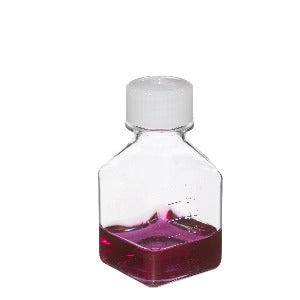
Understanding 50nm Endotoxin Free Gold NanoUrchins: The Foundation
At the heart of their revolutionary potential lies the precise engineering of 50nm gold nanourchins. Unlike traditional spherical gold nanoparticles, these urchin-like structures possess a rough, spiky surface, significantly increasing their surface area and enhancing their optical and catalytic properties. The "50nm" refers to their core size, a critical dimension that influences their interaction with biological systems and light. Furthermore, the "endotoxin-free" designation is paramount, especially for biomedical applications. Endotoxins, lipopolysaccharides found in the outer membrane of Gram-negative bacteria, can trigger severe inflammatory responses in biological systems. Ensuring these gold nanourchins are free from such contaminants guarantees their safety and efficacy for sensitive in-vivo and in-vitro research.
The Importance of Endotoxin Free Gold Nanoparticles
The purity of nanoparticles is often overlooked but is crucial for reliable and reproducible research, particularly in drug delivery and diagnostics. Endotoxin free gold nanoparticles eliminate the confounding effects of immune responses that could be mistakenly attributed to the nanoparticles themselves. This purity ensures that experimental results are accurate and that therapeutic applications are safe for patients. For any application involving cellular interaction or administration into living organisms, the endotoxin-free characteristic of gold nanourchins is not just a preference, but a strict requirement.
Gold NanoUrchins Synthesis and Preparation Methods
The creation of these intricate gold nanourchins involves sophisticated synthetic techniques designed to control their size, shape, and surface morphology. One common approach for gold nanourchins synthesis is the seed-mediated growth method, where pre-formed gold seeds act as templates for further gold deposition. By carefully controlling parameters such as precursor concentration, reducing agents, surfactants, and reaction temperature, researchers can direct the anisotropic growth of gold, leading to the formation of spiky nanostructures. Another method involves galvanic replacement reactions, where a less noble metal (like silver) nanoparticles are used as sacrificial templates, which are then replaced by gold atoms, forming the desired urchin shape.
The meticulousness in these preparation methods for gold nanourchins ensures batch-to-batch consistency and scalability. Post-synthesis, rigorous purification steps are essential to achieve the desired endotoxin-free quality. This often involves multiple washing cycles and specialized filtration techniques to remove residual reagents and potential contaminants, making them ready for sensitive applications. Understanding these methods is key to appreciating the precision behind these advanced gold nanourchins properties.
Unique Properties and Benefits of Gold NanoUrchins
The distinctive morphology of gold nanourchins bestows upon them a suite of superior properties compared to their spherical counterparts. Their increased surface roughness leads to enhanced localized surface plasmon resonance (LSPR), making them highly efficient light absorbers and scatterers. This property is particularly beneficial for applications requiring strong light-matter interactions.
Key benefits of gold nanourchins include:
- Enhanced Surface Area: The spiky structure significantly increases the effective surface area, providing more sites for functionalization with biomolecules, drugs, or targeting ligands. This is crucial for efficient gold nanourchins surface modification.
- Tunable Optical Properties: The LSPR peaks of gold nanourchins can be precisely tuned by altering their size and spike length, allowing for absorption and scattering in the near-infrared (NIR) region, which is ideal for deep tissue penetration in biomedical applications.
- Superior Biocompatibility: As with all gold nanoparticles, gold nanourchins exhibit excellent biocompatibility, especially when endotoxin-free, minimizing adverse biological reactions.
- High Stability: These nanoparticles demonstrate remarkable colloidal stability in various biological media, which is a critical factor for their successful application in drug delivery and diagnostics. Understanding gold nanourchins stability is vital for long-term use.
- Improved Cellular Uptake: The sharp spikes of gold nanourchins can facilitate better interaction and internalization by cells, a significant advantage for targeted delivery systems.
Recent Major Applications of Gold NanoUrchins
The unique characteristics of 50nm gold nanourchins have opened doors to a multitude of advanced applications across various fields. Their versatility stems from their ability to be precisely engineered and functionalized for specific tasks.
Gold NanoUrchins in Biomedical Research
The biomedical field is arguably where gold nanourchins shine brightest, offering unprecedented opportunities for therapy and diagnosis.
- Gold NanoUrchins in Drug Delivery: The high surface area and ease of surface modification make gold nanourchins exceptional carriers for targeted drug delivery. For instance, in cancer therapy, they can be conjugated with chemotherapy drugs and specific antibodies that bind to cancer cell receptors. This allows the drug to be delivered directly to tumor cells, minimizing systemic toxicity and improving therapeutic efficacy. Their ability to respond to external stimuli (like light) can also enable controlled drug release.
- Gold NanoUrchins for Imaging: Their strong LSPR properties make them superior contrast agents for various imaging modalities. In photoacoustic imaging, gold nanourchins absorb light and convert it into ultrasound waves, providing high-resolution images of deep tissues. For surface-enhanced Raman scattering (SERS) imaging, their spiky surfaces create "hot spots" that significantly amplify Raman signals, allowing for ultra-sensitive detection of biomarkers and disease states at very low concentrations. This is a significant advancement for early disease diagnostics.
- Gold NanoUrchins in Cancer Therapy: Beyond drug delivery, gold nanourchins in cancer therapy are being explored for photothermal therapy (PTT). When irradiated with NIR light, these nanoparticles efficiently convert light energy into heat, selectively destroying cancer cells without harming healthy tissue. Their enhanced light absorption in the NIR window allows for deeper tissue penetration, making PTT a promising non-invasive cancer treatment.
- Gold NanoUrchins in Diagnostics: Leveraging their high sensitivity, gold nanourchins in diagnostics are being developed into highly effective biosensors. They can detect specific biomarkers for diseases like cancer, infectious diseases, and neurological disorders with remarkable precision and speed. Their large surface area allows for immobilization of numerous recognition elements, leading to amplified signals and earlier detection.
Gold NanoUrchins in Environmental Applications
Beyond healthcare, the unique catalytic and adsorptive properties of gold nanourchins are making strides in environmental remediation. They are being investigated for highly sensitive detection of pollutants in water and air, such as heavy metal ions and volatile organic compounds. Furthermore, their high surface area makes them excellent candidates for catalytic degradation of organic pollutants in wastewater treatment, contributing to sustainable environmental solutions. These are exciting developments in gold nanourchins in environmental applications.
Other Emerging Applications
The versatility of gold nanourchins extends to other fields, including advanced catalysis, where their increased surface area and numerous active sites enhance reaction rates. They are also being explored in optoelectronics for their unique light manipulation capabilities and in renewable energy for improved solar cell efficiency. The ongoing research into gold nanourchins market trends suggests a continuous expansion into diverse technological sectors.
Characterization and Quality Assurance of Gold NanoUrchins
Ensuring the quality and consistency of 50nm gold nanourchins is critical for their reliable application. Comprehensive characterization is performed using a range of advanced analytical techniques:
- Transmission Electron Microscopy (TEM): Provides high-resolution images of the nanoparticles, allowing for direct visualization of their urchin-like morphology, size distribution, and spike length.
- Dynamic Light Scattering (DLS): Measures the hydrodynamic size and polydispersity of the nanoparticles in solution, indicating their colloidal stability.
- UV-Visible Spectroscopy: Used to determine the characteristic LSPR peak, which confirms the presence of gold nanourchins and provides insight into their optical properties.
- Zeta Potential Measurement: Assesses the surface charge of the nanoparticles, which is crucial for understanding their colloidal stability and interactions with biological systems.
- Endotoxin Assay: A critical test to confirm the "endotoxin-free" status, typically using the Limulus Amebocyte Lysate (LAL) assay, ensuring safety for biomedical use.
These gold nanourchins characterization methods are essential for quality control and for tailoring the nanoparticles for specific applications, ensuring that researchers receive materials with precisely defined properties.
Gold NanoUrchins vs. Gold Nanoparticles: Why Choose NanoUrchins?
While spherical gold nanoparticles have been widely used, gold nanourchins vs gold nanoparticles present several distinct advantages due to their anisotropic shape and enhanced properties. The spiky surface of nanourchins provides a significantly larger effective surface area, which translates to more binding sites for functionalization, higher catalytic activity, and stronger light absorption/scattering capabilities. This makes them superior for applications requiring high sensitivity and efficiency.
Furthermore, the sharp tips of the urchin structure can facilitate better cellular penetration and enhanced localized field effects, which are highly beneficial for targeted drug delivery and advanced imaging techniques. Their tunable LSPR in the NIR region offers a significant advantage for in-vivo applications, allowing for deeper tissue penetration with minimal autofluorescence interference. These superior gold nanourchins properties often make them the preferred choice for cutting-edge research.
The Future of Gold NanoUrchins: Market Trends and Research Directions
The field of nanotechnology is rapidly evolving, and gold nanourchins are at the forefront of this progression. Current gold nanourchins market trends indicate a growing demand for high-purity, precisely engineered nanoparticles for various sectors, particularly in pharmaceuticals, diagnostics, and environmental science. The emphasis on endotoxin-free materials will continue to drive innovation in purification technologies and quality control.
Gold nanourchins future research is likely to focus on:
- Developing more scalable and cost-effective synthesis methods.
- Exploring novel surface modification strategies for even more precise targeting and controlled release in drug delivery.
- Integrating gold nanourchins into smart, responsive systems for theranostics (simultaneous diagnosis and therapy).
- Expanding their use in wearable sensors and point-of-care diagnostic devices.
- Investigating their potential in neurodegenerative disease diagnostics and treatment.
The versatility and unique attributes of 50nm endotoxin free gold nanourchins ensure their continued relevance and growth in the scientific and industrial landscape.
Frequently Asked Questions about Gold NanoUrchins
Q1: What makes 50nm gold nanourchins "endotoxin free" so important?
A: The "endotoxin free" designation means the nanoparticles are free from bacterial endotoxins, which can trigger severe immune responses in biological systems. This purity is critical for safety and to ensure accurate, reproducible results in biomedical research, drug delivery, and in-vivo applications, preventing false positives or adverse reactions.
Q2: How do gold nanourchins differ from traditional spherical gold nanoparticles?
A: Gold nanourchins possess a spiky, rough surface compared to smooth, spherical gold nanoparticles. This unique morphology provides a significantly larger effective surface area, enhanced localized surface plasmon resonance (LSPR), better cellular uptake, and more active sites for functionalization, making them superior for many advanced applications like targeted drug delivery and highly sensitive imaging.
Q3: What are the primary applications of 50nm gold nanourchins?
A: 50nm gold nanourchins are primarily used in biomedical research, including advanced drug delivery (especially for cancer therapy), highly sensitive imaging (photoacoustic, SERS), diagnostics (biosensors for disease biomarkers), and photothermal therapy. They also show promise in environmental applications for pollutant detection and remediation, and in catalysis.
Q4: Can gold nanourchins be customized for specific research needs?
A: Absolutely. One of the key advantages of gold nanourchins is their versatility for gold nanourchins surface modification. They can be functionalized with a variety of biomolecules, polymers, and targeting ligands to achieve specific functionalities, such as enhanced biocompatibility, targeted cellular delivery, or conjugation with therapeutic agents, making them highly adaptable for diverse research requirements.
Q5: What techniques are used for gold nanourchins characterization?
A: Common techniques for gold nanourchins characterization include Transmission Electron Microscopy (TEM) for morphology and size, Dynamic Light Scattering (DLS) for hydrodynamic size and stability, UV-Visible Spectroscopy for optical properties, Zeta Potential measurement for surface charge, and specific endotoxin assays (like LAL) to confirm their endotoxin-free status. These ensure high quality and consistency.
Ready to Advance Your Research with Gold NanoUrchins?
Explore our premium range of 50nm Endotoxin Free Gold NanoUrchins and discover how they can empower your next breakthrough. High purity, consistent quality, and exceptional performance are guaranteed.
View Our Gold NanoUrchins ProductsContact Us for More Information
Have specific questions or need custom solutions? Reach out to our experts.
