
Applications of 50nm Endotoxin Free Gold NanoUrchins in Biotechnology
In the rapidly evolving landscape of biotechnology, nanoparticles have emerged as pivotal tools, offering unprecedented capabilities in diagnostics, drug delivery, and therapeutic interventions. Among these, gold nanoparticles stand out due to their unique optical, electronic, and biological properties. Specifically, 50nm endotoxin-free gold nanourchins represent a cutting-edge advancement, combining the advantages of precise nanoscale dimensions with a distinctive spiky morphology. This article delves into the diverse and impactful applications of 50nm endotoxin free gold nanourchins in biotechnology, highlighting their critical role in transforming medical research and clinical practice. Their exceptional biocompatibility and controlled synthesis make them ideal candidates for a myriad of biomedical applications of gold nanourchins, promising safer and more effective solutions in nanomedicine.
Explore 50nm Endotoxin-Free Gold NanoUrchins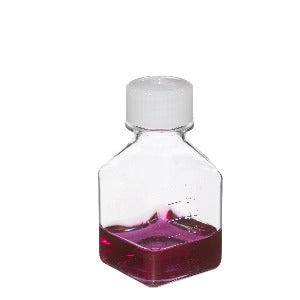
The Dawn of Nano-Biotechnology: Understanding Gold NanoUrchins
Nanotechnology has revolutionized various scientific fields, with its impact on biotechnology being particularly profound. Gold nanoparticles, in their myriad forms, have garnered significant attention due to their inert nature, tunable surface plasmon resonance, and ease of functionalization. Gold nanourchins, characterized by their spherical core and numerous sharp spiky protrusions, offer an enhanced surface area and localized electromagnetic field enhancement compared to traditional spherical gold nanoparticles. This unique morphology significantly boosts their performance in various applications. When considering 50nm gold nanourchins applications, their size is crucial; 50nm falls within the optimal range for cellular uptake while minimizing non-specific interactions, making them highly effective for targeted delivery and sensing.
Why Endotoxin-Free is Paramount in Biomedical Applications
A critical consideration for any material intended for in vivo or cell culture use is its purity. Endotoxins, lipopolysaccharides (LPS) found in the outer membrane of Gram-negative bacteria, are potent immune stimulators. Even trace amounts can trigger severe inflammatory responses, leading to skewed experimental results in vitro and adverse reactions in vivo. This is why the development and use of endotoxin free gold nanourchins are not merely advantageous but absolutely essential for reliable and safe biotechnology gold nanourchins applications. Ensuring that these nanoparticles are free from endotoxins guarantees their biocompatibility and minimizes immunological responses, paving the way for their successful integration into clinical settings and advanced medical research. The rigorous purification processes involved in producing endotoxin-free nanoparticles ensure the integrity of research findings and the safety of therapeutic interventions, making them a cornerstone for future gold nanourchins in medical research.
Recent Major Applications of 50nm Endotoxin-Free Gold NanoUrchins
1. Revolutionizing Drug Delivery: Targeted and Efficient Systems
One of the most significant applications of gold nanourchins lies in drug delivery. The large surface area and multiple "hot spots" on the nanourchin surface allow for high drug loading capacity. Their 50nm size enables efficient extravasation into tumor tissues via the enhanced permeability and retention (EPR) effect, while the spiky morphology can aid in cellular uptake.
- Cancer Therapy: Gold nanourchins in drug delivery are being extensively explored for targeted cancer therapy. For instance, chemotherapeutic drugs like Doxorubicin can be loaded onto the surface of 50nm gold nanourchins, which are then functionalized with targeting ligands (e.g., antibodies against specific cancer cell receptors). This allows for precise delivery of the drug directly to cancer cells, minimizing systemic toxicity and improving therapeutic efficacy. Clinical trials and preclinical studies show promising results in reducing tumor size with fewer side effects compared to traditional chemotherapy. The 50nm gold nanourchins efficacy in this regard is attributed to their enhanced drug retention at the tumor site.
- Gene Delivery: Beyond conventional drugs, gold nanourchins in therapeutic delivery are also being investigated for delivering genetic material (DNA, RNA, siRNA). Their positive surface charge (when functionalized) can bind to negatively charged nucleic acids, facilitating their cellular uptake and protecting them from enzymatic degradation. This opens new avenues for gene therapy applications, addressing genetic disorders and enhancing immunotherapy strategies.
2. Advanced Biosensing and Diagnostics: Unveiling Biomarkers with Precision
The unique optical properties of gold nanourchins, particularly their surface plasmon resonance, make them exceptional candidates for biosensing and diagnostic platforms. Their spiky morphology leads to amplified electromagnetic fields at the tips, enhancing signals in techniques like Surface-Enhanced Raman Spectroscopy (SERS).
- Early Disease Detection: Nanourchins for biosensing offer ultra-sensitive detection of biomarkers. For example, specific antibodies can be immobilized on the surface of endotoxin free gold nanourchins to capture target antigens (e.g., cancer biomarkers, viral proteins) from biological samples like blood or saliva. The subsequent change in plasmon resonance or SERS signal can be correlated with the concentration of the biomarker, allowing for early and accurate disease diagnosis. This is critical for conditions like early-stage cancer or infectious diseases where timely detection significantly impacts patient outcomes.
- In Vitro Diagnostics: These nanoparticles are revolutionizing point-of-care diagnostics. Imagine a rapid, highly sensitive test for bacterial infections or cardiac markers using a handheld device that leverages the signal amplification capabilities of gold nanourchins in diagnostics. Their stability and ease of functionalization make them ideal for integration into various diagnostic assays, including lateral flow tests and microfluidic devices.
3. Therapeutic Interventions: Beyond Drug Delivery
The therapeutic potential of biotechnology gold nanourchins extends beyond mere drug transport. Their ability to convert light energy into heat makes them valuable for photothermal therapy (PTT).
- Photothermal Therapy (PTT) for Cancer: Gold nanourchins for cancer therapy are particularly effective in PTT. When illuminated with near-infrared (NIR) light, which penetrates deep into tissues, the nanourchins absorb the light and convert it into heat, locally destroying cancer cells while minimizing damage to healthy surrounding tissue. The sharp spikes of the nanourchins enhance light absorption and heat generation, making them more efficient photothermal agents than spherical nanoparticles. This targeted thermal ablation represents a promising non-invasive cancer treatment strategy.
- Antimicrobial Applications: The photothermal properties can also be harnessed for antimicrobial purposes. 50nm gold nanourchins can generate localized heat upon laser irradiation, effectively killing bacteria or disrupting biofilms, offering a novel approach to combat antibiotic-resistant infections.
4. Cutting-Edge Imaging Applications: Enhanced Contrast and Visualization
Gold nanourchins for imaging applications provide superior contrast agents for various medical imaging modalities, aiding in more precise diagnosis and treatment monitoring.
- Computed Tomography (CT) Imaging: Gold nanoparticles, due to their high atomic number, exhibit strong X-ray absorption, making them excellent CT contrast agents. 50nm gold nanourchins can provide enhanced contrast compared to traditional iodine-based agents, particularly for soft tissues and vascular structures, offering clearer diagnostic images with lower toxicity.
- Photoacoustic Imaging: This hybrid imaging modality combines light and sound. Gold nanourchins, with their strong light absorption, generate acoustic waves upon laser excitation, which can be detected to create high-resolution images of tissues and organs. This is particularly useful for visualizing deep tissues and detecting tumors.
- Multi-modal Imaging: The versatility of gold nanourchins in nanomedicine allows for their use in multi-modal imaging, combining different techniques (e.g., CT and photoacoustic imaging) to gain more comprehensive diagnostic information from a single platform.
Biocompatibility and Safety: The Endotoxin-Free Imperative
A cornerstone of successful biomedical applications of gold nanourchins is their biocompatibility. Gold is generally considered biologically inert, but the surface chemistry and the presence of impurities like endotoxins can significantly impact their interaction with biological systems. The rigorous production of endotoxin free gold nanourchins ensures minimal immune response and toxicity, making them safe for in vivo applications. Studies on gold nanourchins and biocompatibility have shown that their specific size (50nm) and surface modifications can further enhance their compatibility, reducing protein corona formation and improving circulation half-life, which are critical for therapeutic efficacy and safety.
Innovations and Future Outlook: Pushing the Boundaries of Nanomedicine
The field of innovations in gold nanourchins is rapidly expanding. Researchers are continuously exploring new synthesis methods, surface functionalizations, and composite materials to enhance their capabilities.
- Eco-Friendly Synthesis: A growing trend is the development of eco-friendly gold nanourchins synthesis routes, utilizing green chemistry principles to reduce environmental impact, making their production more sustainable.
- Smart Nanourchins: Future developments include "smart" nanourchins that respond to specific biological stimuli (e.g., pH changes in tumors, enzyme activity) to release drugs or activate imaging signals only at the target site. This level of precision promises to revolutionize personalized medicine.
- Integration with AI and Machine Learning: The combination of gold nanourchins in medical research with artificial intelligence and machine learning algorithms can lead to automated diagnostic systems and optimized therapeutic regimens, accelerating the translation of these nanotechnologies from lab to clinic.
Synthesis and Characterization of Gold NanoUrchins
While the focus here is on applications, it's worth noting that the precise synthesis of gold nanourchins is crucial for their performance. Methods often involve seed-mediated growth, where small gold nanoparticles act as seeds for the anisotropic growth of spikes in the presence of specific surfactants. Rigorous characterization of gold nanourchins using techniques like Transmission Electron Microscopy (TEM) for morphology, Dynamic Light Scattering (DLS) for size, and UV-Vis spectroscopy for optical properties, is essential to ensure quality and reproducibility for their 50nm gold nanourchins efficacy in various applications.
Conclusion:
50nm endotoxin free gold nanourchins represent a significant leap forward in nanobiotechnology. Their unique spiky morphology, precise size, and the critical absence of endotoxins make them exceptionally versatile and safe tools for a wide array of biotechnology gold nanourchins applications. From targeted drug and gene delivery to highly sensitive biosensing, advanced therapeutic interventions like photothermal therapy, and enhanced medical imaging, these nanoparticles are redefining the possibilities in medical research and clinical diagnostics. As research continues to unravel their full potential, these remarkable endotoxin-free nanoparticles are set to play an increasingly vital role in advancing human health, solidifying their position as a cornerstone of future nanomedicine. Their continued development promises a new era of highly effective, precise, and safe biomedical solutions.
Frequently Asked Questions (FAQs)
Q1: What makes 50nm Endotoxin-Free Gold NanoUrchins superior to other gold nanoparticles for biomedical applications?
A1: The superiority stems from a combination of factors. The 50nm size is optimal for cellular uptake and tumor accumulation via the EPR effect, while the "urchin" morphology provides a significantly larger surface area and numerous sharp tips that enhance localized electromagnetic fields, crucial for biosensing and photothermal therapy. Crucially, being endotoxin free gold nanourchins eliminates the risk of inflammatory responses, ensuring their biocompatibility and safety for in vivo and sensitive in vitro applications, making them ideal for gold nanourchins in medical research.
Q2: How are 50nm Gold NanoUrchins used in cancer therapy?
A2: 50nm gold nanourchins for cancer therapy are primarily used in two ways: targeted drug delivery and photothermal therapy. For drug delivery, they can be loaded with chemotherapy drugs and functionalized with targeting ligands to deliver the drugs directly to cancer cells, minimizing systemic side effects. In photothermal therapy, their unique morphology allows them to efficiently absorb near-infrared light and convert it into heat, selectively destroying cancer cells while leaving healthy tissue unharmed. This demonstrates the high 50nm gold nanourchins efficacy.
Q3: Can these nanourchins be used for early disease diagnosis?
A3: Absolutely. Nanourchins for biosensing are highly effective for early disease diagnosis. Their enhanced surface area and plasmonic properties enable ultra-sensitive detection of disease biomarkers (e.g., proteins, nucleic acids) in biological samples. By functionalizing their surface with specific probes, they can capture target molecules, and the resulting change in optical signal can be precisely measured, allowing for the detection of diseases like cancer or infectious agents at very early stages, showcasing their potential in gold nanourchins in diagnostics.
Q4: What does "endotoxin-free" mean for these nanoparticles in practical terms?
A4: "Endotoxin-free" means that these endotoxin free gold nanourchins have undergone rigorous purification processes to remove lipopolysaccharides (LPS), which are potent immune activators found in bacteria. In practical terms, this ensures that when these nanoparticles are used in cell cultures, animal models, or potentially human clinical trials, they will not trigger an adverse inflammatory or immune response, providing reliable experimental results and enhancing patient safety, which is vital for all biomedical applications of gold nanourchins.
Q5: Are there any environmental considerations for the synthesis of gold nanourchins?
A5: Yes, there's a growing emphasis on developing eco-friendly gold nanourchins synthesis methods. Traditional synthesis often involves harsh chemicals. Researchers are now exploring green chemistry approaches, such as using plant extracts or microorganisms, to synthesize these nanoparticles. This reduces the use of toxic reagents and minimizes waste, aligning with sustainable nanotechnology practices and promoting responsible innovation in the field of innovations in gold nanourchins.
