
Applications of Goat Anti-Guinea Pig Gold Conjugates: Revolutionizing Biomedical Research and Diagnostics
In the rapidly evolving landscape of biotechnology and medical diagnostics, precision and sensitivity are paramount. Goat Anti-Guinea Pig Gold Conjugates stand as a testament to this need, offering unparalleled specificity and visualization capabilities. These innovative tools are at the forefront of advancements, enabling scientists and researchers to delve deeper into cellular processes, detect biomolecules with unprecedented accuracy, and drive progress across various fields, from fundamental research to clinical diagnostics. Discover how these remarkable conjugates are transforming the way we understand and interact with biological systems, paving the way for new discoveries and improved healthcare solutions. Their unique properties make them indispensable for high-resolution imaging and highly sensitive detection assays, playing a crucial role in the ongoing evolution of bioscience.

Understanding Goat Anti-Guinea Pig Gold Conjugates: The Foundation of Precision in Research
At the heart of many advanced biomedical techniques lies the ability to specifically target and visualize molecules. Goat Anti-Guinea Pig Gold Conjugates are engineered for this very purpose, combining the exquisite specificity of antibodies with the unique physical properties of gold nanoparticles. These conjugates consist of highly purified goat anti-guinea pig antibodies, which are secondary antibodies designed to bind specifically and with high affinity to primary antibodies raised in guinea pigs. This targeted binding mechanism ensures that the gold nanoparticle, acting as a reporter, is delivered precisely to the location of the antigen of interest.
The gold nanoparticles themselves are critical to the conjugates' utility. Ranging typically from 5 nm to 40 nm in diameter, these nanoparticles possess distinct optical and electronic properties, including a strong surface plasmon resonance (SPR) that allows for direct visualization and signal amplification. Their high electron density makes them ideal for electron microscopy, while their light-scattering properties and ability to catalyze silver deposition enable detection in light microscopy. Furthermore, gold nanoparticles are chemically stable and biocompatible, making them excellent candidates for various biological applications. The careful conjugation process ensures that the antibody's binding activity is preserved, leading to highly effective and reliable detection tools. This combination of a highly specific antibody with a versatile nanoparticle platform makes Goat Anti-Guinea Pig Antibodies in Research an indispensable asset for diverse scientific investigations.
Immunolabeling with Gold Conjugates: Unveiling Cellular Secrets at High Resolution
One of the most prominent and impactful applications of Goat Anti-Guinea Pig Gold Conjugates is in immunolabeling, a fundamental technique used to pinpoint the exact location of specific antigens within biological samples. Their superior characteristics make them ideal for both ultrastructural and light microscopic studies.
Precision in Electron Microscopy and Gold Conjugates for Cellular Studies
In electron microscopy (EM), the high electron density of gold nanoparticles allows for unparalleled resolution, enabling researchers to visualize molecules at the subcellular level. This is crucial for understanding intricate cellular architectures and the precise localization of proteins, nucleic acids, and other biomolecules. For example, researchers use these conjugates to map the distribution of specific receptors on cell membranes, track the internalization pathways of viruses, or identify particular proteins within organelles like mitochondria or the endoplasmic reticulum. The ability to resolve these details is vital for fundamental cell biology research, neuroscience, and virology. This precise mapping capability is central to the efficacy of Gold Conjugates for Cellular Studies, offering insights that are often unattainable with other labeling methods.
Versatile Visualization: Gold Conjugates in Fluorescence Microscopy and Beyond
While historically associated with EM, advancements have expanded the utility of gold conjugates into light microscopy. Through techniques like enhanced dark-field microscopy, where gold nanoparticles scatter light intensely, or by employing silver enhancement kits that deposit a layer of silver onto the gold, the signal becomes visible and quantifiable under a standard light microscope. This allows for correlative light and electron microscopy (CLEM), combining the broad overview of LM with the high resolution of EM. Furthermore, in the context of Gold Conjugates in Fluorescence Microscopy, while gold nanoparticles themselves are not fluorescent, they can be used in conjunction with fluorescent labels or as quenchers/enhancers in FRET-based assays, demonstrating their versatile integration into various imaging modalities. The robustness and distinct signal of gold also make it suitable for multiplexed labeling, where different sizes of gold nanoparticles can be used to simultaneously detect multiple targets in a single sample, providing a comprehensive molecular map of complex biological systems.
The precision offered by Immunolabeling with Gold Conjugates is critical for validating gene expression patterns, understanding protein-protein interactions, and elucidating the spatial organization of cellular components, thereby significantly advancing our understanding of both healthy and pathological states.
Gold Conjugates for Protein Detection: Enhancing Analytical Sensitivity and Diagnostics
Beyond imaging, Goat Anti-Guinea Pig Gold Conjugates are indispensable in various protein detection assays, where high sensitivity, specificity, and rapid results are paramount. Their unique properties enable highly accurate quantitative and qualitative analysis of biomolecules.
High-Sensitivity Detection in Western Blotting and ELISAs
In molecular biology, these conjugates serve as highly effective detection reagents in techniques such as Western blotting and enzyme-linked immunosorbent assays (ELISAs). In Western blotting, after proteins are separated and transferred to a membrane, a guinea pig primary antibody binds to the target protein. Subsequently, the Goat Anti-Guinea Pig Gold Conjugate binds to this primary antibody. The gold nanoparticles can then be visualized directly as a red band or enhanced using silver precipitation for a darker, more prominent signal. This method offers exceptional sensitivity for identifying and quantifying specific proteins, even those present in very low abundance within complex biological mixtures. This robust capability directly addresses the need for reliable Gold Conjugates for Protein Detection in research and diagnostic settings.
Similarly, in ELISA, gold conjugates can be integrated into the assay design, providing a non-enzymatic, highly stable detection system. Their use can simplify assay protocols and reduce background noise, leading to more precise and reproducible results crucial for clinical diagnostics and pharmaceutical research. The inherent stability of gold nanoparticles ensures consistent performance, making them a preferred choice for critical applications where assay reliability is paramount.
Rapid Diagnostics and Point-of-Care Testing
Perhaps one of the most widely recognized applications of gold conjugates, though often unseen by the public, is in rapid diagnostic tests (RDTs), such as lateral flow assays. These ubiquitous tests, ranging from pregnancy tests to rapid antigen tests for infectious diseases (e.g., influenza, COVID-19), rely heavily on the visual signal provided by gold nanoparticles. In these tests, Goat Anti-Guinea Pig Gold Conjugates can be used to detect guinea pig antibodies, which might be employed as a capture or detection reagent. The aggregation of gold nanoparticles at the test line produces a visible color change, indicating a positive result. This immediate, clear visual readout, coupled with the high sensitivity, makes them ideal for point-of-care diagnostics, enabling quick decisions in clinical settings and during public health crises. This aspect significantly contributes to the broad utility of Gold Nanoparticles and Quantum Dots in diagnostics, with gold conjugates being a key established technology.
Synergy with Quantum Dots and Nanomedicine: Pushing the Boundaries
The frontier of biomedical research is increasingly defined by the integration of diverse nanotechnologies. Goat Anti-Guinea Pig Gold Conjugates, with their established precision, are finding synergistic roles alongside emerging materials like Quantum Dots, particularly in advanced imaging, biosensing, and therapeutic strategies.
Quantum Dots in Biomedicine: Complementary Approaches to Imaging
While gold conjugates excel in electron microscopy and provide clear signals for rapid diagnostics, Quantum Dots in Biomedicine offer distinct advantages due to their unique optical properties: tunable fluorescence, high brightness, and exceptional photostability. This makes them superb for multiplexed fluorescence imaging and long-term live-cell imaging. The combination of gold conjugates and quantum dots opens doors for multimodal imaging and detection systems. For example, researchers can use gold conjugates for high-resolution ultrastructural analysis via EM, while simultaneously employing quantum dots for dynamic functional imaging in live cells through fluorescence. This complementary approach enhances the depth of biological understanding, providing both precise localization and real-time activity insights. This represents a significant step forward in Quantum Dots for Imaging Applications, where gold conjugates provide an essential counterpart.
Advanced Biosensing and Diagnostics with Nanoparticles
The principles behind antibody-nanoparticle conjugation, as perfected with gold conjugates, are directly transferable and often combined with the development of sophisticated Quantum Dot-Based Biosensors. Gold nanoparticles themselves, often discussed in the context of Gold Nanoparticles and Quantum Dots, possess excellent electrical and optical properties that can be leveraged in biosensing. For instance, gold surfaces are commonly used as substrates for immobilizing biorecognition elements in biosensors, and gold conjugates can act as the detection label. When integrated with quantum dots, hybrid systems can be created for highly sensitive detection. An example includes FRET-based biosensors where the proximity of a gold nanoparticle (quencher) to a quantum dot (fluorophore) changes the fluorescence signal upon target binding, leading to ultrasensitive detection. These innovations are revolutionizing Applications of Quantum Dots in Diagnostics, enabling earlier and more accurate detection of diseases and biomarkers.
Gold Conjugates in Therapeutic Contexts: Guiding and Monitoring
While Goat Anti-Guinea Pig Gold Conjugates are primarily diagnostic tools, their precision in detecting specific biomarkers is invaluable for informing and monitoring therapeutic interventions. Accurate identification of cancer cells or specific disease markers, often achieved through assays utilizing these conjugates, is a prerequisite for targeted therapies. For instance, in the realm of Quantum Dots in Cancer Therapy or Quantum Dots for Photothermal Therapy, which directly use QDs for therapeutic action, gold conjugates can play a vital role in the diagnostic phase, confirming the presence and location of target cells before therapy, or monitoring treatment efficacy by detecting changes in biomarker expression. This diagnostic precision is a critical enabler for the success of advanced therapeutic strategies and highlights the broader impact of Applications of Quantum Dots in Nanomedicine, where diagnostic and therapeutic aspects are increasingly intertwined.
Beyond Human Health: Environmental and Vaccine Applications
The robust nature and versatility of Goat Antibody Applications in Nanotechnology, particularly when conjugated to gold, extend beyond human health. They are well-suited for integration into complex nanodevices and assays aimed at environmental monitoring, where sensitive detection of pollutants, toxins, or pathogens in water and soil samples is crucial. This parallels the growing interest in Quantum Dots in Environmental Monitoring. Similarly, in Quantum Dots in Vaccine Development, while QDs might act as adjuvants or carriers, the precise detection capabilities offered by gold conjugates are essential for characterizing immune responses, quantifying antibody titers, and understanding the efficacy of novel vaccine candidates. These examples underscore the continuous Advancements in Quantum Dot Applications and the synergistic role of gold conjugates in driving scientific progress across diverse fields, fueled by ongoing Innovations in Quantum Dot Technology.
Frequently Asked Questions About Gold Conjugates in Advanced Research
Related Products: Quantum Dots for Advanced Research
-
Sale!

Cadmium Selenide Zinc Sulfide Quantum Dots- Alkyl (440nm-460nm)
Original price was: ₹53,870.00.₹35,910.00Current price is: ₹35,910.00. -
Sale!
Cadmium Selenide Zinc Sulfide Quantum Dots- Carboxyl (450nm-650nm)
Original price was: ₹62,500.00.₹41,400.00Current price is: ₹41,400.00. -
Sale!

CdSe/ZnS quantum dots, hydrophobic, 530±5 nm, dry
Original price was: ₹35,400.00.₹22,900.00Current price is: ₹22,900.00. -
Sale!
CdSe/ZnS quantum dots, hydrophobic, dry (5×10mg)
Original price was: ₹43,655.00.₹29,303.00Current price is: ₹29,303.00. -
Sale!
CdSe/ZnS quantum dots, hydrophobic, dry (5×5mg)
Original price was: ₹35,400.00.₹22,900.00Current price is: ₹22,900.00. -
Sale!

CdSe/ZnS(core/shell) Quantum Dots, Powder, Hydrophobic (530 ± 5 nm to 650 ± 5 nm)
Original price was: ₹19,482.00.₹11,807.00Current price is: ₹11,807.00. -
Sale!
CdTe Quantum Dots, Hydrophilic, Dry (5×10 mg)
Original price was: ₹42,790.00.₹28,518.00Current price is: ₹28,518.00. -
Sale!
CdTe quantum dots, hydrophilic, dry (5×5 mg)
Original price was: ₹33,832.00.₹22,400.00Current price is: ₹22,400.00. -
Sale!
CdTe quantum dots, hydrophilic, dry (5×50 mg)
Original price was: ₹101,351.00.₹67,567.00Current price is: ₹67,567.00.

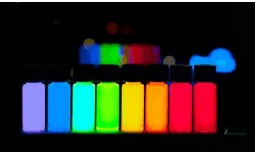

Explore our comprehensive range of Quantum Dot products designed to complement your research with superior imaging and detection capabilities. These cutting-edge nanomaterials are essential for advancing studies in Quantum Dots in Biomedicine, Quantum Dots for Imaging Applications, and other pioneering areas of nanobiotechnology, offering unparalleled performance and versatility for your most demanding experiments.
Contact Us for More Information
Have questions or need assistance with your research, or wish to learn more about our Goat Anti-Guinea Pig Gold Conjugates and their applications? Our expert team is ready to help you find the perfect solutions for your scientific endeavors and provide detailed technical support. Fill out the form below to get in touch with us today.