
Benefits of 200nm Gold Nanoparticles in Research
Gold nanoparticles, particularly those with a diameter of 200nm, have emerged as a cornerstone in modern scientific research due to their unique physical, chemical, and biological properties. Their exceptional biocompatibility, tunable optical characteristics, and ease of functionalization make them invaluable tools across diverse fields, from advanced biomedical applications to cutting-edge material science and environmental monitoring. This comprehensive article delves into the profound advantages of gold nanoparticles in research, highlighting their recent major applications and providing concrete examples to illuminate their transformative impact.
The specific size of 200nm gold nanoparticles offers a distinct balance of properties, including strong surface plasmon resonance (SPR) effects that are crucial for various optical and sensing applications, alongside sufficient surface area for robust molecular conjugation. Understanding the myriad ways these nanoparticles are revolutionizing scientific discovery is key to appreciating their role in the future of nanotechnology.
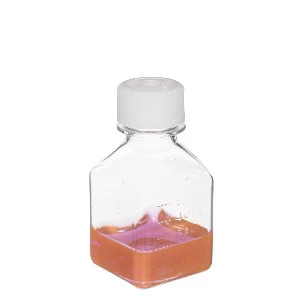
Unveiling the Unique Advantages of Gold Nanoparticles in Research
The inherent properties of gold nanoparticles position them as superior materials for a multitude of research endeavors. Their inert nature, coupled with their ability to interact with light in unique ways, provides a versatile platform for innovation. The advantages of gold nanoparticles in research are manifold and underpin their widespread adoption.
Exceptional Biocompatibility and Low Toxicity
One of the most significant benefits of gold nanoparticles, especially for biomedical applications, is their excellent biocompatibility and low inherent toxicity. Unlike many other nanomaterials, gold is largely inert in biological systems, minimizing adverse reactions. This makes gold nanoparticles for biomedical applications highly attractive for in-vivo studies and therapeutic interventions, paving the way for safer and more effective treatments.
Tunable Optical Properties: Surface Plasmon Resonance (SPR)
A defining characteristic of gold nanoparticles is their localized surface plasmon resonance (LSPR). When light interacts with the free electrons on the surface of gold nanoparticles, it creates collective oscillations known as plasmons. The LSPR peak is highly dependent on the nanoparticle's size, shape, and surrounding medium. For 200nm gold nanoparticles in surface plasmon resonance, this phenomenon is particularly pronounced, leading to strong light absorption and scattering properties. This tunability is crucial for various applications, including advanced imaging techniques and highly sensitive biosensors.
High Surface Area for Functionalization
The large surface-to-volume ratio of nanoparticles, including 200nm gold nanoparticles, provides ample sites for surface modification. Researchers can easily functionalize their surfaces with a variety of biomolecules such as antibodies, DNA, peptides, or drugs. This enables precise targeting, enhanced stability, and specific interactions with biological targets, making them ideal for complex biological assays and targeted drug delivery systems.
Chemical Stability and Catalytic Activity
Gold nanoparticles exhibit remarkable chemical stability, resisting oxidation and degradation. Furthermore, they can act as efficient catalysts for a wide range of chemical reactions. Their catalytic properties are being explored in various fields, from environmental remediation to the synthesis of novel compounds, contributing to the broad applications of gold nanoparticles in electronics and beyond.
Recent Major Applications of 200nm Gold Nanoparticles
The unique attributes of 200nm gold nanoparticles have led to their integration into groundbreaking applications across numerous scientific disciplines. Here, we explore some of the most impactful recent advancements.
1. Revolutionizing Biomedical Applications
The biomedical field has witnessed a paradigm shift with the advent of gold nanoparticles. Their non-toxic nature and versatile surface chemistry make them perfect candidates for intricate biological interactions.
200nm Nanoparticles in Drug Delivery and Targeted Therapy
One of the most promising 200nm gold nanoparticles applications is in drug delivery. By conjugating therapeutic agents to the surface of 200nm gold nanoparticles, researchers can achieve highly specific and controlled drug release. These nanoparticles can be engineered to target specific cells, such as cancer cells, minimizing systemic toxicity and maximizing therapeutic efficacy. For instance, in cancer treatment, 200nm nanoparticles in drug delivery systems can deliver chemotherapy drugs directly to tumor sites, reducing side effects on healthy tissues. This advancement is profoundly impacting cancer research and enhancing the precision of gold nanoparticles in targeted therapy.
Advanced Imaging and Diagnostics with Gold Nanoparticles
Using gold nanoparticles for imaging has opened new avenues for disease detection and monitoring. Their strong light scattering and absorption properties allow them to serve as excellent contrast agents for various imaging modalities. For example, in computed tomography (CT) scans, gold nanoparticles offer superior contrast compared to traditional iodine-based agents, enabling clearer visualization of tissues and tumors. Furthermore, gold nanoparticles for enhancing MRI contrast are being developed to improve the resolution and sensitivity of magnetic resonance imaging, crucial for early diagnosis. In diagnostics, gold nanoparticles in diagnostics are integral components of rapid diagnostic tests and biosensors. Their ability to amplify signals makes them highly sensitive for detecting biomarkers of diseases, including infectious agents and cancer markers. This contributes significantly to advancements in 200nm gold nanoparticles for sensor development, enabling portable and point-of-care diagnostic tools.
Impact of Gold Nanoparticles on Cancer Research: Photothermal Therapy
The impact of gold nanoparticles on cancer research is perhaps most evident in photothermal therapy (PTT). When 200nm gold nanoparticles accumulate in tumor tissues and are irradiated with specific wavelengths of light (often near-infrared), they efficiently convert light energy into heat due to their LSPR properties. This localized heating can selectively destroy cancer cells while sparing healthy surrounding tissue. The benefits of gold nanoparticles in photothermal therapy include minimal invasiveness, high specificity, and reduced side effects compared to conventional treatments like chemotherapy or radiation. Research continues to refine this technique, often combining it with drug delivery for synergistic therapeutic effects.
Gold Nanoparticles in Vaccine and Gene Therapy
Emerging applications also include the use of gold nanoparticles for vaccine development. They can act as adjuvants, enhancing the immune response to antigens, or as carriers for vaccine components, ensuring stable and effective delivery. Similarly, in gold nanoparticles in gene therapy, these nanoparticles serve as non-viral vectors for delivering genetic material (DNA or RNA) into cells, offering a safer and potentially more efficient alternative to viral vectors for treating genetic disorders.
2. Gold Nanoparticles in Nanotechnology and Material Science
Beyond biomedicine, 200nm gold nanoparticles in nanotechnology are driving innovations in various material science applications.
Sensor Development and Environmental Monitoring
The exceptional sensitivity of gold nanoparticles makes them ideal for advanced sensor development. 200nm gold nanoparticles for sensor development are employed in chemical sensors, gas sensors, and biosensors due to their high surface area and excellent electron transfer properties. They can detect minute concentrations of analytes, making them invaluable for environmental monitoring. For instance, gold nanoparticles in environmental monitoring are used to detect heavy metal ions, pesticides, and pollutants in water and air, providing rapid and accurate assessments of environmental quality.
Applications in Electronics and Catalysis
The conductive properties of gold nanoparticles are being harnessed in the field of electronics. They are used in conductive inks for flexible electronics, transparent electrodes, and in the fabrication of highly efficient nanoscale electronic devices. The applications of gold nanoparticles in electronics are expanding rapidly, contributing to the miniaturization and improved performance of electronic components. Furthermore, their catalytic activity is being explored for various industrial processes, offering more efficient and sustainable chemical reactions, which is a significant area of research within 200nm gold nanoparticles in material science.
Explore 200nm Reactant-Free Gold NanoparticlesFrequently Asked Questions about 200nm Gold Nanoparticles
The Future of Gold Nanoparticles in Scientific Discovery
The ongoing research into 200nm gold nanoparticles applications continues to uncover new possibilities. Their adaptability and remarkable properties make them indispensable tools for advancing scientific understanding and developing innovative solutions to complex challenges. From pushing the boundaries of medical diagnostics and therapies to revolutionizing material science and environmental protection, the journey of gold nanoparticles is far from over.
As synthesis methods become more refined and scalable, and as our understanding of their interactions with biological and chemical systems deepens, the full potential of these nanoscale marvels will be realized. The continuous exploration of the benefits of gold nanoparticles in research promises a future where precision, efficiency, and sustainability are at the forefront of scientific innovation.
For high-quality, reactant-free 200nm gold nanoparticles essential for your cutting-edge research, consider exploring our product offerings:
Discover Our 200nm Gold NanoparticlesRelated Products

Contact Us
For more information on 200nm gold nanoparticles or to discuss your specific research needs, please reach out to our experts.