
Carboxylated Fluorescent PMMA Latex Beads - Size 1 (0.25 Micron): Unlocking Advanced Biomedical and Research Applications
In the rapidly evolving fields of biotechnology, diagnostics, and material science, the demand for highly specialized and versatile tools is constant. Among these, Carboxylated Fluorescent PMMA Latex Beads - Size 1 (0.25 Micron) stand out as a revolutionary component. These meticulously engineered nanoparticles combine the robust properties of PMMA (Polymethyl methacrylate) with a fluorescent core and a carboxylated surface, offering unparalleled utility for a myriad of advanced applications. Their precise 0.25 micron size makes them exceptionally suitable for intricate biological interactions and high-resolution imaging, driving innovations across various scientific disciplines. This article delves into the unique characteristics, profound benefits, and recent major applications of these remarkable beads, emphasizing their role in pushing the boundaries of scientific discovery.
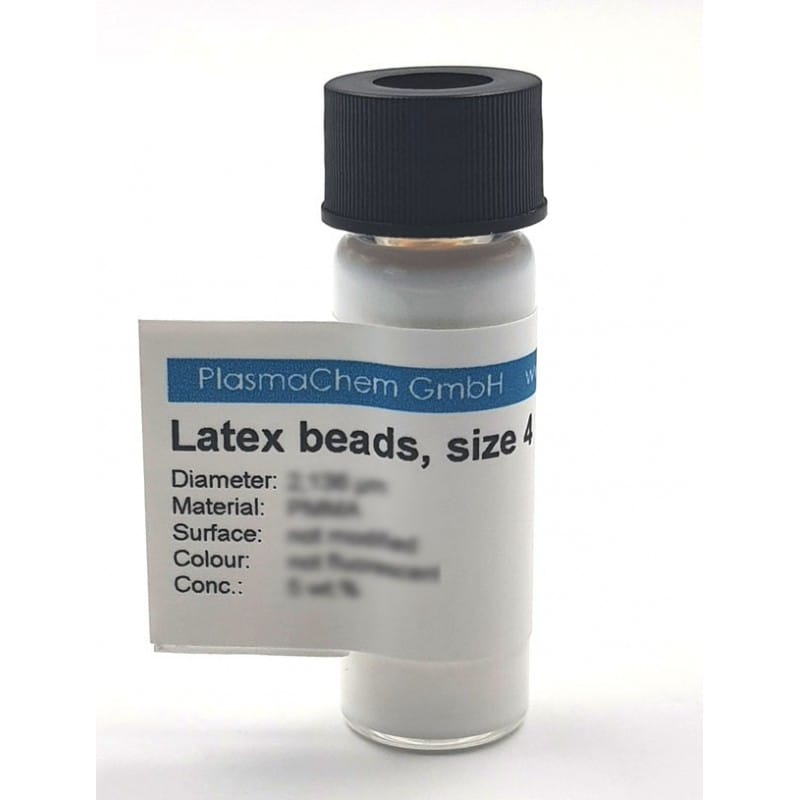
The Core Science: Understanding Fluorescent PMMA Latex Properties and 0.25 Micron Latex Bead Benefits
The efficacy of these beads stems from a sophisticated combination of material science and nanotechnology. At their heart, they are composed of PMMA, a biocompatible and chemically inert polymer known for its excellent optical clarity and mechanical stability. This polymer matrix provides a stable environment for encapsulated fluorophores, ensuring consistent and bright Fluorescent PMMA latex properties over extended periods. Unlike some organic dyes that photobleach rapidly, the integration within the PMMA matrix significantly enhances their photostability, a critical factor for long-term imaging and diagnostic applications.
The addition of fluorescence transforms these beads into powerful visualization tools. Nanoparticles in fluorescence imaging have revolutionized how researchers observe cellular processes, track biomolecules, and detect analytes with high sensitivity. The specific fluorescent characteristics, such as emission wavelength and intensity, can be tailored to suit diverse experimental needs, allowing for multiplexing and clearer signal differentiation in complex biological samples. This makes them indispensable for studies requiring precise visual data.
Crucially, the surface of these beads is carboxylated, meaning they possess carboxylic acid groups (-COOH). This carboxylation is a game-changer, enabling facile covalent conjugation with a wide array of biomolecules such as antibodies, proteins, nucleic acids, and peptides. This surface modification is fundamental to unlocking the vast potential of Applications of carboxylated beads, allowing researchers to customize the beads for highly specific binding events. The ability to precisely control surface chemistry is what differentiates these beads, making them highly adaptable for targeted applications in diagnostics and therapeutics.
The 0.25 micron latex bead benefits are particularly noteworthy. This specific size falls within the sub-micron range, making them ideal for interactions at the cellular level. They are small enough to enter certain cellular compartments or interact with cell surface receptors without causing significant steric hindrance, yet large enough to be easily detectable using standard microscopy and flow cytometry techniques. This optimal size ensures efficient binding kinetics, minimal non-specific binding, and superior performance in applications requiring high sensitivity and resolution, such as single-cell analysis and microfluidic systems. Their uniform size distribution further guarantees reproducible results, a paramount requirement in scientific research and clinical diagnostics.
Recent Major Applications of Carboxylated Fluorescent PMMA Latex Beads
The unique blend of properties—fluorescence, carboxylation, and precise sizing—positions these beads at the forefront of innovation across several high-impact fields. Here are some of the recent major Carboxylated latex beads applications:
Biomedical Diagnostics and Immunoassays
One of the most prominent areas benefiting from these beads is biomedical diagnostics. PMMA latex beads for diagnostics are integral to various immunoassay formats, including lateral flow assays (rapid diagnostic tests) and bead-based immunoassays. By conjugating specific antibodies or antigens to the carboxylated surface, these beads can capture target analytes (e.g., pathogens, biomarkers, hormones) from complex biological samples like blood, urine, or saliva. The embedded fluorescence then provides a clear, quantifiable signal, enabling rapid and sensitive detection. For instance, in rapid COVID-19 antigen tests, fluorescent beads conjugated to anti-spike protein antibodies can quickly indicate the presence of the viral antigen, offering a visually detectable result. The consistent performance of Latex beads in biomedical applications ensures reliability and accuracy, crucial for clinical decision-making.
Targeted Drug Delivery and Therapeutics
The precise control over surface chemistry makes Carboxylated PMMA for drug delivery a highly promising avenue. These beads can be loaded with therapeutic agents (drugs, genes, small molecules) and then functionalized with targeting ligands (e.g., specific antibodies or peptides) on their carboxylated surface. This allows for targeted delivery of the payload directly to diseased cells or tissues, minimizing off-target effects and enhancing therapeutic efficacy. For example, in cancer therapy, fluorescent beads carrying chemotherapy drugs can be engineered to specifically bind to cancer cell markers, delivering the drug where it's needed most and allowing for real-time tracking of bead distribution via their fluorescence, a key aspect of Nanoparticle-enhanced imaging techniques.
Advanced Cellular Imaging and Cell Studies
The fluorescent nature and ideal size of these beads make them invaluable for intricate cell studies. As Fluorescent nanoparticles for labeling, they are extensively used for cell tracking, cell sorting (e.g., flow cytometry), and high-resolution microscopy. Researchers can label specific cellular components or entire cells by conjugating relevant biomolecules to the carboxylated surface. This enables dynamic visualization of cellular uptake, intracellular trafficking, and cell-cell interactions. For instance, in immunology, these beads can be used to track immune cell migration or to study antigen presentation, providing critical insights into disease mechanisms. The bright and stable fluorescence ensures clear signals even in complex biological matrices, propelling advancements in Carboxylated beads for cell studies and fundamental biology.
Nanoparticle-Based Sensors and Environmental Monitoring
Beyond biomedical applications, these beads are also pivotal in the development of advanced biosensors. Their high surface area-to-volume ratio and ability to be functionalized make them excellent candidates for Nanoparticle-based sensors. By immobilizing recognition elements (e.g., enzymes, aptamers) on the carboxylated surface, these beads can detect specific chemical or biological analytes with high sensitivity and selectivity. For example, fluorescent bead-based sensors can be developed for rapid detection of heavy metals in water, pollutants in air, or specific toxins in food samples, contributing significantly to environmental monitoring and food safety. This highlights the versatility and broad applicability of Fluorescence in latex bead technology.
Innovations and Future Directions in PMMA Latex Technology
The field of nanoparticle research is constantly evolving, and Innovations in PMMA latex technology are no exception. Researchers are continuously exploring new ways to enhance the performance and broaden the utility of these beads. This includes developing new fluorophores with improved brightness and photostability, exploring multi-functional surface modifications for complex assays, and even integrating additional functionalities.
While the primary focus of these beads is on their PMMA, fluorescent, and carboxylated properties, the broader field of nanotechnology sees continuous advancements. For example, research into materials like Tin nanoparticles in PMMA explores how metallic nanoparticles can be embedded within polymer matrices for applications such as plasmon-enhanced fluorescence, catalysis, or even conductive materials. The synthesis of such advanced materials, including refined Tin nanoparticles synthesis techniques, contributes to a deeper understanding of material interactions at the nanoscale, which can indirectly inform future developments in polymer bead technology, such as creating beads with enhanced optical or magnetic properties. The meticulous Nanoparticle characterization methods employed for such novel materials are also crucial for ensuring their quality and performance in various advanced applications.
The role of Size 1 PMMA latex in research extends beyond direct application. They serve as excellent model systems for studying particle-cell interactions, fluid dynamics in microchannels, and the fundamental principles of colloidal science. Their uniform size and well-defined surface chemistry make them ideal for calibration standards in flow cytometry and microscopy, ensuring the reproducibility and comparability of experimental data across different laboratories. This foundational research continuously feeds back into the development of more sophisticated and effective diagnostic and therapeutic tools, ensuring that Applications of fluorescent nanoparticles continue to expand into uncharted territories.
Frequently Asked Questions (FAQs)
Related Products

Connect With Us
Have specific requirements or need more information about our Carboxylated Fluorescent PMMA Latex Beads? Reach out to our experts for tailored solutions and support.