Enhance Your Fabrics with Water Repellent Technology
In a world where performance and durability are paramount, the demand for advanced fabric treatments has never been higher. Explore how cutting-edge water repellent technology for textiles, particularly the innovative Ruthenium oxide fabric treatment, is revolutionizing the textile industry. This comprehensive guide delves into how to use ruthenium oxide, its profound benefits of ruthenium oxide in fabrics, and its diverse applications, setting a new standard for high-performance materials.
Discover Our Water Repellent Solutions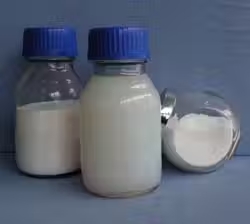
The Dawn of Advanced Water Repellent Fabrics: Understanding Ruthenium Oxide
For centuries, humans have sought ways to protect textiles from the elements. From natural waxes to synthetic polymers, the journey towards truly water-resistant fabrics has been long and iterative. Today, a new contender has emerged at the forefront of textile innovation: Ruthenium oxide. This remarkable compound is transforming ordinary fabrics into extraordinary materials, offering unparalleled protection and longevity. The unique Ruthenium oxide properties for fabric enhancement make it a game-changer in the quest for superior textile performance.
What is Ruthenium Oxide and How Does it Work?
Ruthenium oxide (RuO2) is a highly stable and conductive metal oxide. Its application in textiles isn't about forming a thick, visible layer, but rather creating a microscopic, highly effective barrier at the fiber level. When considering how to use ruthenium oxide, it typically involves advanced finishing processes where nanoparticles of RuO2 are integrated into the fabric matrix. This integration creates a surface with exceptionally low surface energy, causing water droplets to bead up and roll off, rather than soaking into the material. This phenomenon, known as hydrophobicity, is key to effective water resistant textile solutions.
Unlike traditional water repellents that might rely on fluorocarbons (PFCs), which have raised environmental concerns, eco-friendly water repellent fabrics treated with Ruthenium oxide offer a more sustainable alternative. This aspect is crucial for brands and consumers looking for sustainable fabric technology with ruthenium that aligns with ecological values.
Unveiling the Benefits of Ruthenium Oxide in Fabrics
The adoption of Ruthenium oxide in textile finishing brings a multitude of advantages that extend far beyond simple water repellency. These benefits contribute significantly to the overall performance, durability, and appeal of treated fabrics.
- Superior Water Repellency: At its core, Ruthenium oxide fabric treatment provides exceptional hydrophobic properties, ensuring liquids bead and roll off, keeping the fabric dry and comfortable even in challenging conditions. This is a significant leap forward in high-performance water repellent agents.
- Enhanced Durability and Longevity: Beyond water resistance, Ruthenium oxide contributes to improving fabric durability with ruthenium. It can reinforce the fabric structure, making it more resistant to abrasion, tearing, and general wear and tear, thus extending the lifespan of the textile product.
- Breathability Maintained: Unlike some heavier coatings, Ruthenium oxide textile finishing allows fabrics to retain their natural breathability. This is vital for active wear and outdoor gear, where moisture vapor needs to escape to prevent discomfort.
- Stain Resistance: The hydrophobic surface created by Ruthenium oxide also acts as an excellent barrier against various stains. Spills like coffee, wine, or dirt are less likely to penetrate the fibers, making cleaning easier and preserving the fabric's aesthetics.
- Eco-Friendly Alternative: As previously mentioned, the shift towards non-PFC based treatments makes Ruthenium oxide a more environmentally responsible choice for eco-friendly water repellent fabrics, aligning with global sustainability goals.
- UV Resistance: Some formulations of Ruthenium oxide in water resistant coatings can also offer improved UV resistance, protecting fabrics from degradation caused by prolonged sun exposure, a crucial benefit for outdoor and automotive textiles.
Recent Major Applications of Ruthenium Oxide in Textiles
The versatility and efficacy of Ruthenium oxide applications in textiles are leading to its rapid adoption across various industries. From everyday apparel to specialized industrial textiles, its impact is profound.
Outdoor and Performance Apparel
This is perhaps the most obvious application. Think of hiking jackets, ski pants, and raincoats. Ruthenium oxide technology for outdoor fabrics ensures that adventurers stay dry and comfortable regardless of the weather. For example, a high-performance mountaineering jacket treated with Ruthenium oxide would repel heavy rain and snow, preventing the wearer from getting wet and cold, while still allowing body moisture to escape, maintaining optimal thermoregulation. This is a significant improvement over older technologies that might compromise breathability for water resistance.
Sportswear and Activewear
Athletes demand fabrics that can withstand intense activity and varying conditions. Water repellent solutions for clothing in sportswear benefit immensely from Ruthenium oxide, as it helps manage sweat and external moisture, keeping athletes dry and focused. Imagine a running shirt that not only wicks away sweat but also repels light rain or accidental splashes from puddles during an outdoor run, ensuring comfort throughout the workout.
Home Textiles and Upholstery
Spills are inevitable in homes with children or pets. Upholstery fabrics, carpets, and even tablecloths treated with Ruthenium oxide become significantly easier to clean and maintain. A sofa fabric treated with advanced water repellent fabrics technology featuring Ruthenium oxide would simply cause spilled juice or coffee to bead on the surface, allowing for quick wipe-up before it can stain, preserving the look and feel of your furniture for years.
Automotive Interiors
The automotive industry is increasingly incorporating advanced materials for interior durability and aesthetics. Car seat fabrics and floor mats treated with Ruthenium oxide in advanced materials can resist spills, dirt, and moisture, contributing to a cleaner, more hygienic, and long-lasting vehicle interior. This means less wear and tear from daily use and accidental spills, maintaining the car's resale value and passenger comfort.
Medical and Healthcare Textiles
In medical settings, hygiene and fluid resistance are critical. Fabrics for hospital gowns, bed linens, and protective barriers can be treated with Ruthenium oxide to repel bodily fluids and maintain sterility, enhancing safety for both patients and healthcare workers. This application highlights the compound's ability to offer crucial protection in sensitive environments.
Industrial and Protective Clothing
Workers in various industries are exposed to liquids, chemicals, and harsh weather. Protective clothing incorporating innovative fabric treatments with ruthenium ensures safety and comfort. For instance, a construction worker's uniform or a chemical plant technician's gear would benefit immensely from Ruthenium oxide treatment, providing a reliable barrier against liquids and improving overall safety on the job.
Ruthenium Oxide vs. Traditional Water Repellents: A Comparative Look
For decades, Per- and Polyfluoroalkyl Substances (PFAS), particularly PFCs like C8 and C6 chemistries, dominated the water repellent market. While effective, their persistence in the environment and potential health concerns have led to a global push for alternatives. This is where Ruthenium oxide vs traditional water repellents becomes a critical discussion.
Traditional DWR (Durable Water Repellent) finishes often relied on long-chain fluorocarbons, known for their exceptional oil and water repellency. However, these compounds are bio-accumulative and persistent, earning them the moniker "forever chemicals." The environmental impact has spurred significant research into safer, more sustainable options.
Ruthenium oxide offers a compelling alternative. Its mechanism of action achieves hydrophobicity without relying on harmful fluorocarbons, making it a frontrunner in the development of sustainable fabric technology with ruthenium. While some traditional repellents might offer slightly superior oil repellency, Ruthenium oxide excels in pure water repellency and provides a much more environmentally responsible profile, aligning with modern consumer and regulatory demands for greener products. This makes it a key player in the future of textile innovation with ruthenium oxide.
The Future is Water-Resistant: Embracing Ruthenium Oxide Technology
The trajectory of textile innovation points towards smarter, more functional, and environmentally conscious materials. Ruthenium oxide fabric treatment is perfectly positioned to meet these evolving demands. As research continues, we can expect even more refined and specialized applications, pushing the boundaries of what fabrics can do.
From clothing that actively manages moisture to industrial textiles that withstand extreme conditions, the integration of Ruthenium oxide promises a future where fabrics are not just protective but also smarter, more durable, and inherently sustainable. This technology is not just an incremental improvement; it represents a paradigm shift in how we approach water repellent technology for textiles.
Embracing solutions like Ruthenium oxide means investing in products that last longer, perform better, and have a reduced environmental footprint. It's about moving towards a more circular economy in textiles, where durability and sustainability go hand in hand. The continuous exploration of Ruthenium oxide in advanced materials will undoubtedly unlock new possibilities for enhanced fabric performance across countless sectors.
Frequently Asked Questions about Water Repellent Fabrics
Explore Our Cutting-Edge Water Repellent Solutions
Ready to experience the future of fabric technology? Discover how our innovative water repellent technology for textiles, powered by advanced materials like Ruthenium oxide, can transform your products.
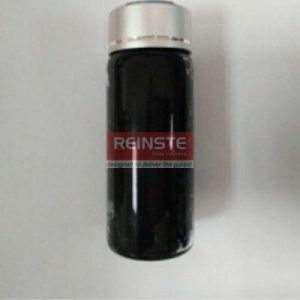
Learn More About Our Fabric EnhancementsRelated Products: Ruthenium Oxide Solutions


Get in Touch with Our Experts
Have questions about Ruthenium oxide fabric treatment or need tailored solutions for your textile needs? Contact our team today.