
Exploring 70nm Copper Nanoparticles: Aqueous Dispersion at 3wt%
Delve into the cutting-edge world of 70nm copper nanoparticles, specifically focusing on their stable aqueous dispersion at 3wt%. This comprehensive guide explores the unique properties, advanced synthesis methods, and diverse applications of these revolutionary copper suspensions, from electronics to biomedical fields. Understand how precise nanoparticle dispersion techniques unlock their full potential.
Discover Our Copper Nanoparticle Solutions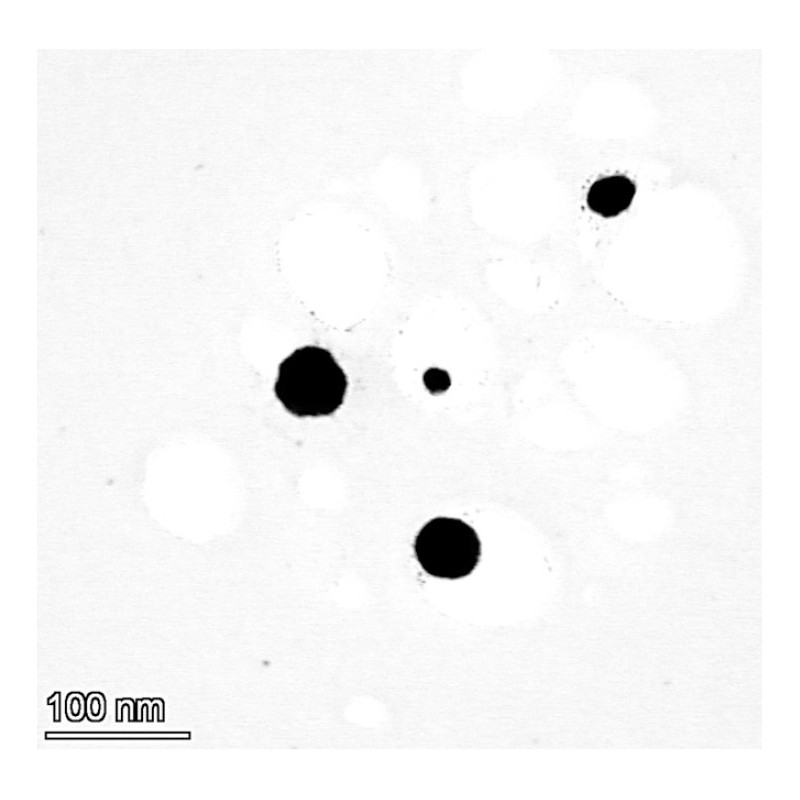
The Dawn of Nanotechnology: Why 70nm Copper Nanoparticles Matter
In the rapidly evolving landscape of materials science, 70nm copper nanoparticles stand out as a material of immense promise. Their nanoscale dimensions bestow upon them extraordinary properties, vastly different from their bulk counterparts. When these tiny particles are precisely engineered and formulated, especially as an aqueous dispersion at 3wt%, they open doors to innovations across numerous industries. The ability to create a stable 3wt% copper nanoparticle solution is a testament to advanced material engineering, ensuring that the unique characteristics of these copper particles in nanotechnology can be harnessed effectively.
The interest in copper nanoparticles stems from copper's inherent conductivity, affordability, and abundance. However, it's at the nanoscale, particularly at 70nm, that these advantages are amplified, leading to applications previously unimaginable. Understanding the fundamental properties of copper nanoparticles in water is crucial for their successful integration into high-performance systems.
Mastering the Synthesis and Dispersion of Copper Nanoparticles
The journey of creating high-quality 70nm copper nanoparticles begins with sophisticated synthesis of copper nanoparticles methods. Techniques such as chemical reduction, electrochemical deposition, and physical vapor deposition are employed to achieve the desired size and morphology. However, synthesis is only half the battle; maintaining the integrity and functionality of these nanoparticles requires expert dispersion.
Achieving Stable Aqueous Dispersion: The 3wt% Advantage
A significant challenge with nanoparticles is their tendency to aggregate due to high surface energy. This is where nanoparticle dispersion techniques become critical. For copper nanoparticles aqueous dispersion, especially at a concentration like 3wt%, methods like ultrasonic dispersion of copper nanoparticles are paramount. Ultrasonication helps break down agglomerates and ensures a uniform distribution of particles throughout the water-based medium. This meticulous process is vital for achieving excellent copper nanoparticle stability in aqueous solutions, which is a key factor for their long-term performance and reliability in diverse applications.
The choice of a water-based copper nanoparticle formulation is often preferred due to environmental considerations, ease of handling, and cost-effectiveness compared to organic solvents. The 3wt% copper nanoparticle solution offers an optimal balance between particle concentration and dispersion stability, making it highly versatile for various industrial and research needs. The copper nanoparticle manufacturing processes are continuously refined to ensure high purity and consistent quality of these advanced materials.
Unlocking Potential: Applications of Copper Suspensions
The versatility of 70nm copper nanoparticles aqueous dispersion translates into a wide array of groundbreaking applications. Their unique electrical, thermal, and catalytic properties make them indispensable in modern technology.
Enhanced Conductivity: Copper Nanoparticles for Electronics
One of the most impactful application of copper suspensions is in the electronics sector. The enhanced conductivity of copper nanoparticles, even at low temperatures, makes them ideal for conductive inks and pastes. These can be used in printed electronics, flexible displays, RFID tags, and sensors. Imagine circuits printed directly onto flexible substrates, enabling lighter, more durable, and more compact electronic devices. The precise control offered by a stable 3wt% copper nanoparticle solution allows for fine-line printing and superior performance in these advanced electronic components.
Biomedical Breakthroughs: Copper Nanoparticles for Biomedical Use
The biomedical field is witnessing transformative advancements thanks to copper nanoparticles for biomedical use. Their inherent antimicrobial properties make them excellent candidates for wound dressings, medical coatings, and sterilization agents. Researchers are also exploring their potential in drug delivery systems, where nanoparticles can precisely target diseased cells, and in bioimaging for diagnostics. The biocompatibility and efficacy of these copper suspensions in research are continuously being validated, paving the way for new therapeutic and diagnostic tools.
Catalysis and Energy Applications
Beyond electronics and biomedicine, copper particles in nanotechnology are proving invaluable as catalysts in various chemical reactions, including organic synthesis and environmental remediation. Their high surface area-to-volume ratio significantly boosts catalytic efficiency. Furthermore, in the energy sector, they are being investigated for use in solar cells, fuel cells, and supercapacitors, contributing to more efficient energy conversion and storage solutions.
Technical Specifications and Market Insights
For researchers and industrial users, understanding the technical specifications of copper nanoparticles is paramount. Key parameters include particle size distribution (ensuring consistent 70nm copper nanoparticles), purity, concentration (e.g., 3wt% copper nanoparticle solution), and dispersion stability. Reputable manufacturers provide detailed specifications to ensure optimal performance for specific applications.
Comparative Study and Scalability
A comparative study of copper nanoparticles with other conductive materials often highlights copper's cost-effectiveness and superior electrical properties. While silver nanoparticles offer higher conductivity, copper provides a more economical alternative for many applications without significant performance compromise. The scalability of copper suspensions manufacturing processes is also a critical factor, enabling broader adoption across industries as demand grows. The continuous innovation in copper nanoparticle manufacturing processes is driving down costs and improving accessibility.
The global copper nanoparticles market analysis indicates a robust growth trajectory, driven by increasing demand from the electronics, healthcare, and energy sectors. As research uncovers new applications and manufacturing processes become more efficient, the market for 70nm copper nanoparticles and their stable aqueous dispersions is poised for significant expansion.
Frequently Asked Questions about Copper Nanoparticles
Explore Our Related Copper Suspensions


Ready to Integrate Advanced Copper Nanoparticles?
Discover our full range of high-quality 70nm copper nanoparticles aqueous dispersion and other specialized solutions designed for your innovative projects.
View Our Copper Nanoparticle Products