
Exploring 70nm Gold NanoUrchins: Applications & Benefits
In the rapidly evolving landscape of nanotechnology, 70nm Gold NanoUrchins (GNUs) have emerged as a fascinating and highly promising material with a unique morphology and exceptional properties. These spherical gold nanoparticles adorned with numerous sharp spikes or "spines" resemble microscopic sea urchins, hence their evocative name. This distinctive structure endows them with superior optical, electronic, and catalytic capabilities compared to smooth gold nanoparticles of similar size. Their enhanced surface area and localized surface plasmon resonance (LSPR) properties make them particularly valuable for a myriad of advanced applications, especially in biomedical fields and beyond. This article delves deep into the remarkable benefits of gold nanourchins and explores their cutting-edge applications of gold nanourchins, providing comprehensive insights into their transformative potential.
Discover 70nm Gold NanoUrchins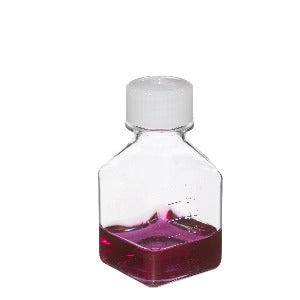
Understanding the Unique Properties of 70nm Gold NanoUrchins
The characteristic "spiky" morphology of 70nm Gold NanoUrchins is not merely aesthetic; it's the key to their superior performance. These spikes create numerous sharp edges and tips, leading to highly intensified electromagnetic fields when exposed to light. This phenomenon, known as localized surface plasmon resonance (LSPR), is significantly stronger and more tunable in nanourchins than in their spherical counterparts. The LSPR property allows for efficient light absorption and scattering, which is crucial for their utility in various optical and thermal applications. Furthermore, the increased surface roughness provides a larger effective surface area, enhancing their capacity for molecular adsorption, catalytic reactions, and drug loading, making them excellent gold nanourchins as drug carriers and versatile tools in nanomedicine.
Revolutionary Applications of Gold NanoUrchins in Biomedical Fields
Gold NanoUrchins in Drug Delivery and Targeted Therapy
One of the most impactful applications of gold nanourchins is in advanced drug delivery systems. The high surface area and ease of surface functionalization allow them to act as efficient gold nanourchins as drug carriers for a wide range of therapeutic agents, including chemotherapy drugs, proteins, and nucleic acids. Their ability to be engineered with specific targeting ligands enables highly precise gold nanourchins for targeted therapy, ensuring that drugs are delivered directly to diseased cells or tissues, minimizing systemic toxicity and improving treatment efficacy. This precision is a major step forward in treating complex diseases like cancer, where selective drug accumulation at tumor sites is paramount.
Gold NanoUrchins and Cancer Therapy: Photothermal and Photodynamic Approaches
The distinct optical properties of 70nm Gold NanoUrchins make them exceptionally suitable for cutting-edge cancer therapies. In gold nanourchins in photothermal therapy (PTT), GNUs absorb near-infrared (NIR) light and efficiently convert it into heat, locally ablating cancer cells with minimal damage to surrounding healthy tissue. This non-invasive approach leverages the enhanced LSPR of nanourchins for superior photothermal conversion efficiency. Similarly, their role in gold nanourchins for photodynamic therapy (PDT) involves generating reactive oxygen species (ROS) upon light irradiation, leading to cellular damage and death. The combination of these therapies or their integration with traditional methods like chemotherapy represents a powerful multi-modal strategy for effective gold nanourchins and cancer therapy.
Gold NanoUrchins for Imaging and Diagnostics
Beyond therapy, gold nanourchins for imaging and diagnostics are transforming medical diagnostics. Their strong light scattering and absorption properties allow them to serve as excellent contrast agents for various imaging modalities, including optical coherence tomography (OCT), photoacoustic imaging, and surface-enhanced Raman scattering (SERS). This enables high-resolution visualization of tissues, early disease detection, and real-time monitoring of therapeutic responses. The precision offered by gold nanourchins in diagnostics is crucial for personalized medicine, allowing clinicians to make more informed decisions based on highly specific and sensitive data.
Gold NanoUrchins in Gene Delivery and Vaccine Development
The versatility of GNUs extends to genetic interventions and immunology. Gold nanourchins for gene delivery offer a non-viral, safe, and efficient platform for transporting genetic material (DNA, RNA) into cells. Their large surface area allows for high loading capacity, and their unique structure can facilitate cellular uptake, making them promising for gene therapy applications. Furthermore, in the realm of immunology, gold nanourchins in vaccine development are being explored as potent adjuvants or carriers for vaccine antigens. Their ability to enhance immune responses and present antigens effectively holds significant promise for developing more robust and long-lasting vaccines against infectious diseases and even cancer.
Gold NanoUrchins and Immune Response Modulation
Understanding the interaction between nanoparticles and the immune system is critical for biomedical applications. Research into gold nanourchins and immune response has shown that their surface properties can be engineered to either evade immune detection for prolonged circulation or to stimulate specific immune cells for therapeutic purposes. This fine-tuning capability is vital for optimizing their efficacy as drug carriers and for their potential use in immunomodulation, opening new avenues for treating autoimmune diseases or enhancing anti-tumor immunity.
Gold NanoUrchins in Tissue Engineering
The integration of nanotechnology into regenerative medicine is a burgeoning field, and gold nanourchins in tissue engineering are playing a pivotal role. Their biocompatibility and ability to interact with biological systems make them suitable for incorporation into scaffolds to promote cell adhesion, proliferation, and differentiation. They can also be used to deliver growth factors or other bioactive molecules to stimulate tissue regeneration, offering novel strategies for repairing damaged tissues and organs.
Gold NanoUrchins and Antioxidant Properties
Emerging research also highlights the potential of gold nanourchins and antioxidants. Gold nanoparticles, particularly those with high surface area and specific facets, can exhibit catalytic activities that mimic antioxidant enzymes. This property could be harnessed to neutralize harmful reactive oxygen species, potentially offering therapeutic benefits in conditions associated with oxidative stress, such as neurodegenerative diseases and inflammatory disorders.
Synthesis of 70nm Gold NanoUrchins: A Glimpse into Their Creation
The precise synthesis of 70nm gold nanourchins is crucial to achieving their desired properties and ensuring their efficacy in various applications. Typically, these sophisticated nanoparticles are fabricated using wet chemical methods, often involving the seed-mediated growth approach. This process usually begins with the formation of small, spherical gold nanoparticle "seeds," which then serve as nucleation sites for further gold deposition. By carefully controlling parameters such as the concentration of gold precursors, reducing agents, surfactants, and pH, researchers can guide the anisotropic growth of gold onto these seeds, leading to the formation of the characteristic spikes. The precise control over size (e.g., 70nm) and spike density is vital for optimizing their optical and biological interactions, ensuring high quality and reproducibility for research and commercial applications.
Beyond Medicine: Gold NanoUrchins in Environmental Applications
While their biomedical promise is immense, gold nanourchins in environmental applications are also gaining significant traction. Their high surface area and catalytic properties make them excellent candidates for sensing and remediation. For instance, they can be utilized as highly sensitive sensors for detecting pollutants in water and air, or as catalysts to degrade harmful organic contaminants. Their unique structure can also facilitate the efficient removal of heavy metals from wastewater, contributing to sustainable environmental solutions and pollution control efforts. The versatility of these nanoparticles truly spans across multiple scientific disciplines.
The Broad Benefits of Gold NanoUrchins: A Summary
In summary, the inherent benefits of gold nanourchins are multifaceted and profoundly impactful across numerous scientific and technological domains. Their superior localized surface plasmon resonance (LSPR) allows for enhanced light-matter interactions, critical for advanced imaging and photothermal therapies. The significantly increased surface area, compared to smooth nanoparticles, provides more sites for drug loading, functionalization, and catalytic reactions, making them ideal gold nanourchins as drug carriers and catalysts. Furthermore, their biocompatibility, tunable surface chemistry, and stability in biological environments make them exceptionally well-suited for a wide array of gold nanourchins for biomedical applications. From precision medicine to environmental stewardship, the unique properties of 70nm Gold NanoUrchins position them as a cornerstone material for future innovations.
Frequently Asked Questions (FAQs) about Gold NanoUrchins
Related Products

Contact Us
Have more questions about 70nm Gold NanoUrchins or their applications? Reach out to our experts!