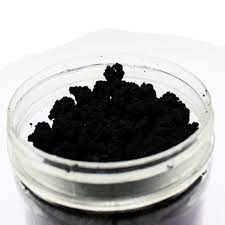
Exploring Graphene-Enhanced HDPE: The Future of High-Performance Materials
Graphene-enhanced HDPE (High-Density Polyethylene) is revolutionizing the world of materials science. By integrating graphene, a single-layer sheet of carbon atoms arranged in a hexagonal lattice, into HDPE, we create composite materials with significantly enhanced mechanical, thermal, and electrical properties. This article delves into the exciting applications, benefits, and market trends surrounding these advanced materials.
Learn More About Graphene-Enhanced HDPE
The Benefits of Graphene in HDPE Composites
The addition of graphene to HDPE unlocks a range of advantages. These high-performance graphene composites exhibit improved tensile strength, stiffness, and impact resistance compared to traditional HDPE. Furthermore, graphene enhances the thermal conductivity and barrier properties of HDPE, making it suitable for more demanding applications. The impact of graphene on HDPE is truly transformative, leading to materials that are lighter, stronger, and more durable.
Applications of Graphene-Enhanced HDPE
Graphene-enhanced HDPE applications are diverse and rapidly expanding. In the packaging industry, these materials offer improved barrier properties, extending the shelf life of products. The applications of graphene in packaging are particularly promising for food and beverage industries. Graphene composites for automotive applications are also gaining traction, offering lightweight solutions for improved fuel efficiency and performance. From construction to consumer goods, the versatility of graphene-enhanced HDPE is undeniable.
Graphene Composite Technology and Market Trends
The field of graphene composite technology is constantly evolving, with ongoing research focused on optimizing the dispersion of graphene within the HDPE matrix and developing cost-effective manufacturing methods. Market trends in graphene composites indicate a growing demand for these materials across various sectors. As production costs decrease and performance benefits become more widely recognized, the future of graphene composites looks exceptionally bright.
Graphene in Sustainable Materials
With increasing emphasis on sustainability, graphene in sustainable materials is becoming a key area of focus. Graphene-enhanced HDPE can contribute to a circular economy by enabling the production of more durable and recyclable products. The use of graphene can also reduce the overall material consumption, further minimizing environmental impact. This makes graphene and high-density polyethylene a forward-thinking combination for environmentally conscious applications.
Innovations in Graphene Composites
Innovations in graphene composites are driving the development of new and improved materials. Researchers are exploring various types of graphene, including graphene nanoplatelets and graphene oxide, to tailor the properties of HDPE composites for specific applications. Graphene-enhanced materials research is also focused on enhancing the interfacial adhesion between graphene and HDPE, which is crucial for achieving optimal performance. These advancements are paving the way for even more widespread adoption of graphene-enhanced HDPE.
Graphene HDPE Mechanical Properties
Understanding the graphene HDPE mechanical properties is essential for designing and implementing these materials in various applications. Studies have shown that even small amounts of graphene can significantly enhance the strength and stiffness of HDPE. These improved mechanical properties make graphene-enhanced HDPE suitable for demanding applications where traditional HDPE may fall short.
Uses of Graphene in Plastics
The uses of graphene in plastics extend beyond HDPE. Graphene can be incorporated into other polymers, such as polypropylene (PP) and polyethylene terephthalate (PET), to enhance their properties. This versatility makes graphene a valuable additive for improving the performance of a wide range of plastic materials. Graphene in industrial applications is therefore becoming increasingly common.
Frequently Asked Questions
What are the main benefits of adding graphene to HDPE?
Graphene enhances the mechanical strength, thermal conductivity, and barrier properties of HDPE, making it lighter, stronger, and more durable.
What are some typical applications of graphene-enhanced HDPE?
It's used in packaging, automotive components, construction materials, and consumer goods, offering improved performance and sustainability.
Is graphene-enhanced HDPE recyclable?
Yes, graphene-enhanced HDPE can be recycled, contributing to a circular economy and reducing environmental impact.
How does graphene improve the barrier properties of HDPE?
Graphene creates a tortuous path for gas and liquid molecules, reducing permeability and extending the shelf life of packaged goods.
What is the future of graphene composites?
The future is promising, with increasing demand, decreasing production costs, and ongoing innovations leading to wider adoption across various industries.
Related Products
-

Enhancement Type Graphene: Superior Reinforcement for Polymer Composites
-

Graphene HDPE Anti-Static Flame-Retardant Composites
-
Graphene HDPE Reinforced Composites: Advanced Materials for High-Performance Applications
-

High Conductivity Graphene Copper Composites for Advanced Electrical Applications
₹29,999.00