
Exploring the Unparalleled Benefits of 250nm Reactant Free Gold Nanoparticles
In the rapidly evolving landscape of nanotechnology, the purity and precision of materials are paramount. Among the most promising innovations are 250nm reactant free gold nanoparticles, offering an exceptional degree of purity and stability critical for advanced scientific and industrial applications. This article delves into the profound advantages these nanoparticles present, from groundbreaking research to transformative medical and industrial uses.
Discover Our 250nm Gold Nanoparticles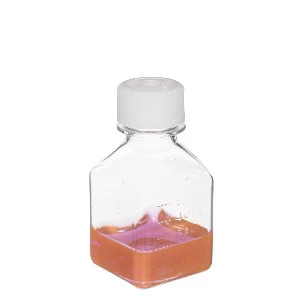
Understanding 250nm Reactant Free Gold Nanoparticles
Gold nanoparticles have captivated researchers for decades due to their unique optical, electronic, and catalytic properties. However, traditional synthesis methods often involve chemical reducing agents and stabilizers, leaving behind trace reactants or by-products that can impede performance, particularly in sensitive biological or electronic systems. This is where reactant free gold nanoparticles emerge as a game-changer.
250nm gold nanoparticles refer to gold nanoparticles with an average diameter of 250 nanometers. This specific size range is crucial as it dictates many of their physical and chemical properties, including their surface area-to-volume ratio, plasmon resonance, and cellular uptake mechanisms. When synthesized without residual reactants, these nanoparticles offer an unprecedented level of purity, making them ideal for applications where even minute contaminants can compromise results or safety.
The Purity Advantage: Why Reactant Free Synthesis Matters
The "reactant free" designation is not merely a technical detail; it represents a significant leap in nanoparticle synthesis. Conventional methods often leave behind residues that can:
- Interfere with Biological Systems: In biomedical applications, residual chemicals can be cytotoxic, elicit immune responses, or alter the intended biological interactions, making gold nanoparticles in medicine and gold nanoparticles in biotechnology less reliable.
- Degrade Performance: For highly sensitive sensors or catalytic reactions, impurities can poison the catalyst or reduce the efficiency of the device.
- Complicate Functionalization: The presence of residual reactants can hinder subsequent surface modifications or functionalized nanoparticles, which are vital for tailoring their properties for specific uses.
Reactant free synthesis ensures that the gold nanoparticles are as pristine as possible, maximizing their intrinsic properties and enabling more precise and repeatable experimental outcomes. This makes them highly sought after for cutting-edge gold nanoparticles for research.
Key Properties of 250nm Gold Nanoparticles
The 250nm nanoparticle properties are a fascinating blend of bulk gold characteristics and quantum effects. At this size, they exhibit:
- Surface Plasmon Resonance (SPR): While smaller nanoparticles show distinct colors, 250nm particles still interact strongly with light, leading to unique optical properties valuable in sensing and imaging.
- High Stability: Due to their larger size, 250nm particles often possess enhanced colloidal stability compared to their smaller counterparts, making them easier to handle and store.
- Biocompatibility: Gold is inherently biocompatible, and with reactant-free synthesis, this property is further enhanced, making them safer for in-vivo applications.
- High Surface Area for Functionalization: Despite being larger, they still offer ample surface area for conjugation with biomolecules, polymers, or other ligands, leading to highly effective functionalized nanoparticles.
Major Applications of Reactant Free Gold Nanoparticles
The superior purity and precise size of 250nm reactant free gold nanoparticles unlock a vast array of advanced applications across various sectors:
1. Biomedical and Diagnostic Applications
The field of medicine is perhaps where nano gold benefits are most profoundly realized. Gold nanoparticles in medicine are revolutionizing diagnostics and therapeutics.
- Advanced Diagnostics: In gold nanoparticles in diagnostics, their optical properties are exploited for highly sensitive detection of biomarkers for diseases like cancer and infectious agents. For example, in lateral flow assays or biosensors, 250nm gold nanoparticles can provide robust signals for rapid and accurate detection.
- Targeted Drug Delivery: The ability to precisely control their surface chemistry allows for gold nanoparticles for drug delivery. They can be loaded with therapeutic agents and functionalized to specifically target diseased cells or tissues, minimizing side effects on healthy cells. For instance, attaching antibodies to 250nm gold nanoparticles can guide them directly to tumor cells, delivering chemotherapy drugs with higher efficacy and reduced systemic toxicity.
- Photothermal Therapy: Gold nanoparticles absorb light and convert it into heat, a property used in photothermal therapy to selectively destroy cancer cells with minimal invasiveness.
- Bioimaging: Their excellent biocompatibility and optical properties make them ideal contrast agents for various imaging modalities, including CT scans and optical coherence tomography (OCT), providing clearer visualization of biological structures.
2. Catalysis and Chemical Reactions
Gold nanoparticles, even at 250nm, act as highly efficient catalysts for a variety of chemical reactions. Their large surface area and unique electronic structure facilitate reactions that are otherwise difficult or require harsh conditions. Nanoparticle applications in catalysis include environmental remediation, such as the oxidation of carbon monoxide, and various organic synthesis reactions, leading to more sustainable and efficient chemical processes.
3. Electronics and Photonics
The electrical conductivity and optical properties of 250nm gold nanoparticles make them valuable components in next-generation electronics and photonics. They are used in conductive inks, flexible electronics, and as components in plasmonic devices that manipulate light at the nanoscale. Their stability and purity are crucial for reliable performance in these high-tech applications.
4. Environmental Science
In environmental applications, these nanoparticles are being explored for water purification, pollutant detection, and remediation. Their ability to adsorb and degrade contaminants, or act as sensors for environmental toxins, highlights their versatility and the broad impact of nanoparticle applications.
5. Research and Development
The foundational role of gold nanoparticles for research cannot be overstated. From studying cellular mechanisms to developing new materials, 250nm reactant free gold nanoparticles provide a reliable, high-purity platform. Researchers can confidently explore novel interactions without the confounding variables introduced by synthesis by-products. This extends to fields like material science, where they are used to create advanced composites, and in conjunction with other nanomaterials like functionalized carbon nanotubes to develop synergistic properties for even more advanced applications.
Explore High-Purity Gold Nanoparticles for Your ResearchThe Future of Gold Nanoparticle Synthesis and Applications
The demand for high-purity, precisely sized gold nanoparticles continues to grow. Innovations in gold nanoparticle synthesis are focusing on green chemistry approaches and scalable methods to produce these materials efficiently. The move towards reactant free methods signifies a commitment to higher quality and safer nanomaterials, particularly as their integration into commercial products and clinical settings becomes more widespread.
The synergy between functionalized carbon nanotubes and gold nanoparticles is also an exciting area. Combining the mechanical strength and electrical properties of carbon nanotubes with the unique optical and catalytic features of gold nanoparticles can lead to novel hybrid materials with enhanced functionalities for diverse applications, from supercapacitors to advanced biosensors.
Frequently Asked Questions About 250nm Reactant Free Gold Nanoparticles
Connect With Us
Have questions or need custom solutions? Reach out to our experts today!