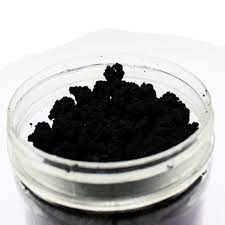
Graphene and high-density polyethylene (HDPE) composites are leading a new era of advanced material science, offering unparalleled anti-static and flame-retardant properties. The synergy between graphene’s electric and thermal conductivity and HDPE’s robustness makes these composites indispensable in industries like electronics, construction, and safety solutions. The manufacturing techniques used to infuse graphene into HDPE have evolved, ensuring uniform dispersion and optimal performance, which is essential for delivering the best anti-static graphene composites and robust fire-resistant materials.
- Superior Anti-Static Properties: Graphene’s exceptional electrical conductivity dramatically enhances the anti-static characteristics of HDPE, which is crucial for sensitive electronics and static-prone environments.
- Flame-Retardant Properties: The inherent fire resistance of graphene enriches the HDPE matrix, inhibiting fire spread and offering a safer alternative over conventional flame-retardant solutions.
- Outstanding Mechanical Properties: Enhanced tensile strength, impact resistance, and durability make graphene HDPE composites ideal for demanding industrial and construction environments.
- Lightweight Yet Robust: Despite their superior safety features, these composites remain lightweight, streamlining transportation and installation.
- Cost-Effective Long-Term Solutions: Increased lifecycle and reduced maintenance make graphene composites a cost-effective solution for organizations seeking to balance performance and price.
Modern graphene HDPE composite manufacturing techniques ensure nanoscale dispersion of graphene throughout the polymer matrix. Methods such as melt blending, in-situ polymerization, and solvent casting are employed to yield uniform composites with stable anti-static and flame-retardant properties. The resulting materials meet and surpass industry standards for graphene composite materials and offer scalability for mass production.
Graphene Composite Materials for Electronics
Graphene-infused HDPE is rapidly becoming the go-to material for electronic housing and components, thanks to its anti-static properties and electromagnetic interference shielding. This application mitigates static discharge and preserves sensitive electronic circuitry, meeting the demands for modern electronic devices.
Innovative Uses in Construction
The innovative uses of graphene composites in construction are reshaping fire safety and durability standards. From façade panels to cable coatings and fire-resistant ducts, these fire-resistant composite materials provide a new layer of protection, enhancing the safety of public and commercial buildings.
Safety Gear & Protective Solutions
The deployment of graphene composites in safety gear such as helmets, gloves, and protective barriers ensures robust mechanical performance, lightweight comfort, and flame-retardant applications for high-risk environments.
By enhancing HDPE with graphene for safety, manufacturers deliver solutions that resist ignition, delay combustion, and limit smoke generation. The mechanical properties of graphene HDPE composites translate into structural integrity even under thermal stress, supporting rigorous fire and impact safety regulations.
- Optimized for performance improvement in HDPE using graphene.
- Meets industry standards with sustainable, repeatable results.
- Reduces replacement costs, offering a sustainable and recycling-friendly option post-use.
Recent studies focus on understanding the chemistry of graphene composites, refining surface functionalization, and improving graphene dispersion strategies. Latest research on graphene composites explores eco-friendly production techniques and further enhancement of flame-retardant and anti-static characteristics. Recycling of graphene composites post-use has gained traction, making them a preferred choice for green building certifications and circular economy strategies.
Get Advanced Graphene HDPE Composites-

Enhancement Type Graphene: Superior Reinforcement for Polymer Composites
-

Graphene HDPE Anti-Static Flame-Retardant Composites
-
Graphene HDPE Reinforced Composites: Advanced Materials for High-Performance Applications
-

High Conductivity Graphene Copper Composites for Advanced Electrical Applications
₹29,999.00