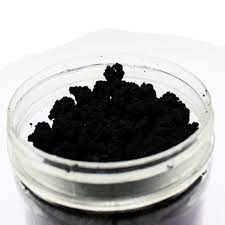
Graphene HDPE Composites: Anti-Static & Flame Retardant
In today's demanding industrial landscape, materials need to offer more than just structural integrity. They require advanced functionalities to ensure safety, performance, and compliance. Graphene HDPE composites represent a significant leap forward, combining the versatility and durability of High-Density Polyethylene (HDPE) with the extraordinary properties of graphene to create high-performance materials with inherent anti-static and flame retardant capabilities. This innovation is reshaping industries from electronics and construction to packaging and automotive, offering sustainable and effective solutions.

Understanding Graphene Composites for Anti-Static Applications and Flame Retardancy
High-Density Polyethylene (HDPE) is a widely used thermoplastic polymer known for its excellent strength-to-density ratio, chemical resistance, and ease of processing. However, like many polymers, it suffers from limitations such as poor electrical conductivity, leading to static charge build-up, and flammability. Addressing these issues traditionally involves adding conductive fillers like carbon black or metallic fibers for anti-static properties and halogenated or phosphorus-based additives for flame retardancy. While effective to some extent, these traditional methods can negatively impact mechanical properties, processing, and environmental profiles.
The introduction of graphene into the HDPE matrix revolutionizes its properties. Graphene, a single layer of carbon atoms arranged in a hexagonal lattice, possesses exceptional electrical conductivity, thermal conductivity, and mechanical strength, even at very low concentrations. When dispersed effectively within HDPE, it creates Graphene HDPE composites that inherit these superior characteristics.
Anti-Static Properties of Graphene Composites: Preventing ESD Risks
Static electricity is a major concern in many industries, particularly where flammable materials are present or sensitive electronic components are handled. Electrostatic discharge (ESD) can cause sparks, leading to explosions, or damage delicate circuitry. Traditional anti-static additives often require high loading levels, which can compromise the polymer's mechanical properties and processability. Graphene composites for anti-static applications offer a superior alternative.
Graphene's incredibly high electrical conductivity means that a conductive network can be formed within the HDPE matrix at a much lower filler concentration compared to conventional materials like carbon black. This phenomenon is related to the "percolation threshold" – the minimum concentration of conductive filler needed to create a continuous conductive path through the insulating polymer. Graphene's high aspect ratio (large surface area to thickness) and inherent conductivity allow it to reach this threshold at significantly lower weight percentages. This results in Graphene-filled HDPE chemical resistance and robust anti-static performance without sacrificing the desirable mechanical strength and flexibility of the base HDPE polymer. This makes high-performance graphene HDPE ideal for applications requiring reliable static dissipation.
Flame Retardant Graphene HDPE: Enhancing Safety in Critical Applications
Flammability is another critical property for polymers used in construction, transportation, and electronics. Traditional flame retardants often contain halogens, which can release toxic and corrosive gases when burned, posing environmental and health risks. There is a growing demand for halogen-free flame retardant solutions.
Graphene-enhanced flame retardant materials offer a promising non-halogenated approach. While graphene itself is combustible, its unique structure and thermal properties can significantly improve the flame retardancy of polymers like HDPE through several mechanisms:
- **Barrier Effect:** During combustion, graphene layers can migrate to the surface and form a protective char layer. This layer acts as a physical barrier, reducing the diffusion of fuel gases to the flame and limiting oxygen supply.
- **Thermal Conductivity:** Graphene's high thermal conductivity can help dissipate heat away from the combustion zone, slowing down the decomposition of the polymer.
- **Radical Trapping:** Some studies suggest graphene can interact with free radicals produced during combustion, interrupting the chain reaction of burning.
By incorporating graphene, Flame retardant graphene HDPE composites can achieve higher Limiting Oxygen Index (LOI) values and pass stringent fire safety tests, making them suitable for safety-critical applications where fire resistance is paramount.
Benefits of Graphene in HDPE Composites Beyond Anti-Static and FR
The advantages of using graphene in plastics extend beyond just anti-static and flame retardant properties. Graphene composites offer a range of enhanced characteristics:
- **Improved Mechanical Strength:** Graphene's exceptional tensile strength and stiffness can significantly enhance the mechanical properties of HDPE, including tensile strength, flexural modulus, and impact resistance.
- **Enhanced Thermal Properties:** Graphene can increase the thermal conductivity and heat distortion temperature of HDPE, allowing it to perform better in higher temperature environments.
- **Improved Barrier Properties:** Graphene's impermeable structure can enhance the barrier properties of HDPE against gases and liquids, useful for packaging and containment applications.
- **Reduced Weight:** Compared to traditional fillers needed for similar performance levels, graphene often requires lower loading, potentially leading to lighter composite materials.
These combined benefits make high-performance graphene HDPE a versatile material for various demanding applications.
Recent Major Applications of Graphene HDPE Composites
Innovations in graphene composite technology are rapidly expanding their use across multiple sectors. Applications of anti-static materials in industry are particularly benefiting from graphene HDPE:
- **Electronics Packaging:** Anti-static properties are crucial for protecting sensitive electronic components from ESD during manufacturing, handling, and shipping. Graphene composites for electronics packaging provide reliable static dissipation for trays, boxes, and films.
- **Pipes and Fittings:** Used in chemical plants, fuel lines, and areas handling flammable substances, pipes and fittings made from Graphene-filled HDPE chemical resistance and anti-static properties prevent static build-up that could ignite vapors. Graphene HDPE for safety applications in infrastructure is a growing area.
- **Flooring and Work Surfaces:** In factories, laboratories, and cleanrooms, anti-static flooring made with graphene composites helps dissipate static charges from personnel and equipment, preventing ESD damage and explosions.
- **Automotive Components:** Certain automotive parts require anti-static properties to prevent charge build-up, especially around fuel systems. Flame retardant graphene HDPE is also being explored for interior components to enhance fire safety.
- **Construction Materials:** Graphene composite applications in construction include anti-static flooring, antistatic and flame retardant conduit pipes for electrical wiring, and potentially panels or sidings requiring enhanced fire resistance.
- **Mining and Industrial Equipment:** Components used in potentially explosive atmospheres benefit greatly from the anti-static properties of graphene HDPE.
These examples highlight the practical impact of high-performance graphene HDPE in improving safety and functionality.
Comparative Study of Graphene vs. Traditional Composites
Comparing graphene HDPE composites to those using traditional fillers reveals significant advantages. Traditional anti-static fillers like carbon black or metallic powders often require high loading levels (e.g., 15-30 wt% for carbon black) to achieve sufficient conductivity. This high loading can lead to increased viscosity during processing, making injection molding or extrusion more difficult, and can also degrade the mechanical properties of the base polymer, making the final product brittle or less durable. Furthermore, some traditional flame retardants introduce halogens, raising environmental concerns.
In contrast, graphene composites for anti-static applications can achieve excellent conductivity at much lower loading levels (often below 5 wt%). This low loading maintains the processability and mechanical integrity of the HDPE. Similarly, Graphene-enhanced flame retardant materials offer a path towards effective, often halogen-free, fire resistance by leveraging graphene's barrier and thermal properties. This comparative study of graphene vs. traditional composites clearly demonstrates the performance and processing advantages offered by graphene.
Sustainable Graphene HDPE Solutions and Market Trends
Sustainability is a key driver in modern material science. Sustainable graphene HDPE solutions align with this trend. By requiring lower filler content, graphene composites can potentially reduce the overall material needed. Furthermore, the development of halogen-free flame retardant graphene HDPE contributes to safer and more environmentally friendly products. The production methods for graphene are also becoming more scalable and cost-effective, improving the cost analysis of graphene composites.
Market trends in graphene HDPE composites show increasing adoption as manufacturers recognize the performance benefits and long-term value. Research on flame retardant composites and anti-static materials continues to push the boundaries, exploring novel graphene modifications and dispersion techniques to optimize properties further. The future of graphene composites in manufacturing looks bright, driven by demand for high-performance, safe, and sustainable materials.
Frequently Asked Questions about Graphene HDPE Composites
Related Graphene Composite Products
-

Enhancement Type Graphene: Superior Reinforcement for Polymer Composites
-

Graphene HDPE Anti-Static Flame-Retardant Composites
-
Graphene HDPE Reinforced Composites: Advanced Materials for High-Performance Applications
-

High Conductivity Graphene Copper Composites for Advanced Electrical Applications
₹29,999.00