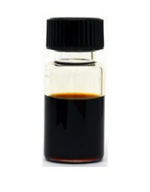

The Unseen Power of Precision: Why Gold Nanoparticle Size Determination is Paramount
In the rapidly evolving landscape of nanotechnology, the adage "size matters" rings particularly true, especially when discussing gold nanoparticles. These versatile materials, ranging from a few to hundreds of nanometers, exhibit extraordinary optical, electronic, and catalytic properties that are highly dependent on their dimensions. Achieving optimal performance in diverse applications hinges on meticulous gold nanoparticles optimization techniques, starting with precise nanoparticle size determination. Understanding the subtle yet profound size effects in nanoparticles is not merely an academic exercise; it's the cornerstone of unlocking their full therapeutic and diagnostic potential. This guide will explore how controlling size, alongside other critical parameters like surface modification and stabilization of gold nanoparticles, dictates their interaction with biological systems and environmental components, paving the way for groundbreaking advancements.
The unique physical and chemical characteristics of gold nanoparticles stem directly from their nanoscale dimensions. As bulk gold is reduced to the nanoscale, quantum mechanical effects begin to dominate, leading to phenomena like surface plasmon resonance (SPR). This SPR, responsible for the vibrant colors of gold nanoparticle solutions, is acutely sensitive to particle size, shape, and the surrounding dielectric environment. For example, smaller spherical gold nanoparticles (typically < 10 nm) absorb light in the blue-green region, appearing red, while larger particles or anisotropic shapes like nanorods absorb in the red or near-infrared (NIR) region. This size-dependent optical behavior is exploited in countless applications, from highly sensitive biosensors to photothermal cancer therapies, underscoring why gold nanoparticles optimization is a field of intense research.
Synthesis of Gold Nanoparticles: Crafting Precision from the Ground Up
The journey to optimized gold nanoparticles begins with their synthesis. Various methods exist, each offering unique control over size, shape, and stability. The most common approach involves the reduction of gold salts (like HAuCl4) in solution. The Turkevich method, for instance, uses citrate as both a reducing agent and a stabilizing ligand, typically yielding spherical gold nanoparticles ranging from 10 to 100 nm. By carefully adjusting parameters such as precursor concentration, temperature, and reaction time, researchers can fine-tune the resulting nanoparticle size distribution. For example, increasing the concentration of the reducing agent or the reaction temperature often leads to smaller, more numerous nanoparticles, while slower reduction rates can result in larger, more crystalline structures. Seed-mediated growth, another advanced technique, allows for even greater control, enabling the synthesis of larger, more monodisperse particles or anisotropic shapes like nanorods and nanocages. This method involves growing new gold on pre-formed "seed" nanoparticles, offering unparalleled control over the final dimensions and morphology, which is crucial for applications requiring highly specific optical properties.
Beyond traditional chemical reduction, physical methods like laser ablation and electrochemical synthesis also contribute to the diverse toolkit for crafting these remarkable materials. Laser ablation, for instance, involves using a high-power laser to ablate a bulk gold target in a liquid medium, producing ligand-free nanoparticles. Electrochemical synthesis offers a greener alternative, allowing for precise control over particle growth by manipulating electrochemical parameters. Each synthesis of gold nanoparticles method presents its own advantages and challenges, influencing not only the initial size but also the subsequent stability and functionalization possibilities. The choice of synthesis method directly impacts the potential applications of gold nanoparticles, making it a critical first step in the optimization process. Furthermore, the development of green synthesis routes, utilizing biological agents like plant extracts or microorganisms, is gaining traction, offering environmentally friendly alternatives for large-scale production of gold nanoparticles.
Characterization of Gold Nanoparticles: Measuring What Matters
Once synthesized, rigorous characterization is essential to confirm the desired properties and ensure batch-to-batch consistency. Nanoparticle size determination is typically performed using techniques such as Transmission Electron Microscopy (TEM) and Dynamic Light Scattering (DLS). TEM provides direct visualization of particle morphology and size distribution, offering high-resolution images that allow for individual particle measurement and observation of their shape. This is invaluable for verifying the success of synthesis methods aiming for specific morphologies like nanorods or nanocages. DLS, on the other hand, offers an ensemble measurement of hydrodynamic size in solution, crucial for understanding their behavior in biological fluids and assessing their colloidal stability. While DLS provides an average size and polydispersity index, TEM gives a more direct insight into the physical size and morphology of dried particles.
Other vital characterization methods include UV-Vis Spectroscopy, which reveals the surface plasmon resonance (SPR) peak – a highly size-dependent optical signature. The position and intensity of this peak provide quick, non-destructive information about the average size and concentration of spherical gold nanoparticles. For instance, a shift in the SPR peak to longer wavelengths often indicates an increase in particle size. Zeta Potential measurements are also critical, indicating surface charge and colloidal stability. A high absolute zeta potential (either positive or negative) suggests good colloidal stability, preventing aggregation. For comparison, characterization of iron oxide nanoparticles also relies on similar principles, utilizing techniques like TEM, DLS, and vibrating sample magnetometry (VSM) to assess their size, morphology, and magnetic properties, which are equally critical for their specific applications. The comprehensive characterization of both gold and iron oxide nanoparticles ensures that researchers have a complete understanding of their physical and chemical attributes, paving the way for successful integration into complex systems and effective gold nanoparticles optimization.
Applications of Gold Nanoparticles: Where Size Truly Shines
The unique properties of gold nanoparticles have propelled them to the forefront of various scientific and technological domains. Their size-dependent optical properties, biocompatibility, and ease of surface modification make them ideal candidates for a wide array of applications. Let's explore some of the most impactful recent advancements, highlighting how size effects in nanoparticles play a pivotal role:
Gold Nanoparticles in Drug Delivery: Precision Targeting and Enhanced Efficacy
One of the most promising applications is in targeted drug delivery. By optimizing nanoparticle size, researchers can control their circulation time in the bloodstream and their ability to accumulate in specific tissues, such as tumors. For instance, gold nanoparticles ranging from 20-100 nm are often preferred for enhanced permeability and retention (EPR) effect in cancer therapy. This phenomenon allows nanoparticles of a certain size to passively accumulate in the leaky vasculature of tumors while largely bypassing healthy tissues. Beyond passive targeting, surface modification of gold nanoparticles with specific ligands (e.g., antibodies, peptides, aptamers) further enables active targeting, ensuring that therapeutic payloads are delivered directly to diseased cells while minimizing systemic toxicity. For example, a 50 nm gold nanoparticle functionalized with an anti-HER2 antibody can specifically target HER2-positive breast cancer cells, delivering a localized drug dose. This precise control over delivery mechanisms, dictated by meticulous gold nanoparticles optimization, highlights the critical role of precise size in achieving effective therapeutic outcomes.
Gold Nanoparticles in Diagnostics: Revolutionizing Detection and Imaging
In diagnostics, gold nanoparticles offer unparalleled sensitivity and multiplexing capabilities. Their strong SPR allows for colorimetric detection of analytes, making them suitable for rapid, point-of-care diagnostics. For example, in lateral flow assays (like pregnancy tests or rapid COVID-19 tests), gold nanoparticles conjugated with antibodies provide the visible signal. The size of the nanoparticles directly affects the intensity and color of this signal, requiring careful gold nanoparticles optimization for accurate results. Smaller particles (e.g., 5-20 nm) are often used for high-sensitivity detection due to their higher surface-to-volume ratio and distinct optical properties. They are also being explored in advanced biosensing applications, including the detection of biomarkers for early disease diagnosis (e.g., prostate-specific antigen, cardiac enzymes) and environmental contaminants (e.g., heavy metals, pesticides). Furthermore, their high atomic number makes them excellent contrast agents for X-ray computed tomography (CT) and other imaging modalities, providing superior visualization for diagnostic purposes. The ability to fine-tune their optical properties based on size makes them invaluable tools in modern medical diagnostics.
Gold Nanoparticles in Photothermal Therapy: Localized Heat Generation for Cancer Ablation
Gold nanoparticles in photothermal therapy (PTT) represent a cutting-edge approach to cancer treatment. When irradiated with near-infrared (NIR) light, these nanoparticles efficiently convert light energy into heat, selectively destroying cancer cells while sparing healthy tissue. The efficiency of this photothermal conversion is highly dependent on nanoparticle size and shape. Gold nanorods and nanoshells, specifically engineered for strong NIR absorption in the biological window (700-1100 nm), have shown remarkable efficacy. For instance, gold nanorods with an aspect ratio of 3-5 (e.g., 50 nm length, 10 nm width) can be tuned to absorb NIR light strongly, leading to efficient heat generation. Precise nanoparticle size determination and shape control are vital for tuning their plasmon resonance to match the therapeutic window of NIR light, minimizing tissue damage and maximizing therapeutic effect. This innovative application underscores the profound size effects in nanoparticles on their therapeutic utility, offering a minimally invasive alternative for tumor ablation.
Gold Nanoparticles for Cancer Therapy: A Multifaceted Approach
Beyond PTT, gold nanoparticles for cancer therapy encompass a broader spectrum of strategies. They can act as radiosensitizers, enhancing the effectiveness of radiation therapy by increasing local dose deposition within tumor cells, thereby reducing the required radiation dose and minimizing damage to healthy tissues. Their high atomic number makes them excellent contrast agents for imaging techniques like computed tomography (CT), facilitating precise tumor visualization and treatment planning. Furthermore, their ability to be functionalized allows for the co-delivery of chemotherapeutic drugs and gene therapies, offering a synergistic approach to combating cancer. For example, a single gold nanoparticle can carry a chemotherapy drug for direct cytotoxicity and a gene therapy agent to silence oncogenes, providing a powerful combinatorial attack. The stabilization of gold nanoparticles is paramount here to ensure their integrity and functionality within the complex biological environment, preventing premature drug release or aggregation.
Gold Nanoparticles and Cellular Uptake: Interfacing with Biological Systems
The interaction of gold nanoparticles with cells, specifically gold nanoparticles and cellular uptake, is a crucial factor influencing their efficacy and safety. Particle size, shape, and surface chemistry dictate how readily nanoparticles are internalized by cells and their subsequent intracellular fate. Generally, smaller nanoparticles (e.g., <50 nm) exhibit more efficient cellular uptake via endocytosis mechanisms such as clathrin-mediated endocytosis or caveolae-mediated endocytosis. However, for certain applications, larger particles might be preferred for specific cellular interactions or drug release profiles (e.g., accumulation in phagocytic cells). The surface charge also plays a significant role; positively charged nanoparticles often exhibit higher cellular uptake due to electrostatic interactions with negatively charged cell membranes, though this can also lead to increased toxicity. Understanding and manipulating gold nanoparticles and cellular uptake mechanisms through precise gold nanoparticles optimization techniques is vital for designing effective nanomedicines, improving bioavailability, and minimizing off-target effects.
Water Soluble Nanoparticles for Biomedical Applications: Expanding Horizons
The development of water soluble nanoparticles for biomedical applications is a significant area of research. While gold nanoparticles are inherently biocompatible, ensuring their long-term stability and dispersibility in aqueous biological environments is crucial. Surface modification of gold nanoparticles with polymers like polyethylene glycol (PEGylation) enhances their solubility, prevents aggregation, and reduces protein adsorption (the "stealth effect"), thereby prolonging their circulation time in the bloodstream and reducing immune recognition. This concept extends to other materials, such as water soluble iron oxide nanoparticles, which are extensively used for magnetic resonance imaging (MRI) and magnetic hyperthermia due to their excellent biocompatibility and superparamagnetic properties. The synthesis of gold nanoparticles and iron oxide nanoparticle synthesis methods often involves strategies to achieve this water solubility, ensuring their utility in complex physiological systems. For instance, coating iron oxide nanoparticles with dextran or citric acid renders them highly water soluble, making them ideal for in vivo applications without aggregation issues.
Advanced Optimization Techniques and Considerations
Stabilization of Gold Nanoparticles: Ensuring Longevity and Efficacy in Complex Media
Once synthesized, maintaining the stability of gold nanoparticles in various media, particularly biological fluids, is critical for their practical applications. Without proper stabilization, nanoparticles can aggregate due to high surface energy, leading to a loss of their unique size-dependent properties, reduced efficacy, and potential toxicity. Common stabilization techniques involve coating the nanoparticles with polymers (e.g., PEG, polyvinylpyrrolidone, chitosan), surfactants (e.g., cetyltrimethylammonium bromide - CTAB), or biomolecules (e.g., proteins, DNA). This surface modification of gold nanoparticles creates a protective layer, providing steric hindrance or electrostatic repulsion, thereby preventing agglomeration and enhancing their biocompatibility and dispersibility in biological fluids. For instance, PEGylation is widely used to create stealth nanoparticles that evade the reticuloendothelial system, increasing their circulation half-life. Effective stabilization is a key component of gold nanoparticles optimization, ensuring their consistent performance over time and maximizing their therapeutic window.
Surface Modification of Gold Nanoparticles: Tailoring Functionality for Specific Interactions
Beyond stabilization, surface modification of gold nanoparticles is indispensable for imparting specific functionalities and enabling targeted interactions. Gold's strong affinity for thiol groups allows for robust conjugation with a vast array of molecules, including antibodies, peptides, DNA, aptamers, and drugs. This enables highly specific targeted delivery to cells or tissues, precise biosensing, and various catalytic applications. For example, modifying the surface with active targeting ligands, such as folic acid or epidermal growth factor receptor (EGFR) antibodies, can significantly improve the specificity of gold nanoparticles in drug delivery to cancer cells overexpressing these receptors. The choice of surface chemistry profoundly influences the nanoparticle's interaction with its environment, its cellular uptake, its biodistribution, and its ultimate therapeutic or diagnostic efficacy, making it a critical parameter in gold nanoparticles optimization techniques.
Redox Properties of Gold Nanoparticles: Catalytic Power and Environmental Applications
The redox properties of gold nanoparticles are increasingly being harnessed in catalysis and environmental remediation. Depending on their size, shape, and surface state, gold nanoparticles can act as powerful catalysts for a range of chemical reactions, including oxidation, reduction, and coupling reactions, often exhibiting higher activity than bulk gold. For example, small gold nanoparticles (typically < 5 nm) are highly effective catalysts for carbon monoxide oxidation at room temperature. Their ability to facilitate electron transfer makes them valuable in fuel cells, electrochemical sensors, and various industrial chemical processes. Furthermore, their catalytic activity can be exploited in environmental remediation efforts, such as the degradation of organic pollutants (e.g., dyes, pesticides) and the reduction of toxic heavy metal ions in water. Understanding and tuning these redox properties through precise gold nanoparticles optimization allows for the development of highly efficient, selective, and sustainable catalytic systems, offering solutions to pressing environmental challenges.
Iron Oxide Nanoparticles for Environmental Remediation: A Complementary and Sustainable Approach
While this article focuses on gold, it's worth noting the parallel advancements in iron oxide nanoparticles for environmental remediation. These magnetic nanoparticles, particularly magnetite (Fe3O4) and maghemite (γ-Fe2O3), can effectively adsorb and degrade various pollutants, including heavy metals, organic dyes, and pesticides, from water. Their high surface area and reactivity enable efficient removal of contaminants. A key advantage of iron oxide nanoparticles for environmental remediation is their magnetic properties, which allow for easy separation from treated water using external magnetic fields. This reusability makes them a highly attractive and sustainable solution for water purification and wastewater treatment, avoiding secondary pollution. The synthesis of iron oxide nanoparticles often focuses on achieving high surface area, excellent dispersibility, and stability in aqueous environments, demonstrating another facet of how nanoparticle technology is addressing global challenges.
Iron Oxide Nanoparticles in Biosensing and Imaging: Magnetic Versatility
Just as gold nanoparticles excel in optical applications, iron oxide nanoparticles for imaging and iron oxide nanoparticles in biosensing leverage their unique magnetic properties. Superparamagnetic iron oxide nanoparticles (SPIONs) are widely used as contrast agents in magnetic resonance imaging (MRI), providing enhanced visualization of tissues and organs, particularly in cancer detection and neurological disorders. Their ability to shorten relaxation times of water protons leads to brighter or darker contrast depending on the sequence. Their ability to be manipulated by external magnetic fields also makes them excellent candidates for magnetic separation in biosensing, enabling the isolation, enrichment, and detection of specific biomolecules (e.g., DNA, proteins) or cells (e.g., circulating tumor cells). The characterization of iron oxide nanoparticles ensures their magnetic properties are optimized for these critical biomedical applications, paving the way for advanced diagnostics and theranostics.
The Future of Nanoparticle Optimization: Synergies and Breakthroughs
The fields of gold nanoparticles optimization and iron oxide nanoparticle synthesis methods are constantly evolving, driven by the demand for more precise, efficient, and versatile nanomaterials. Future research will likely focus on developing hybrid nanoparticles, combining the best properties of different materials (e.g., gold-iron oxide composites, gold-polymer hybrids) to achieve synergistic effects. For instance, a gold-iron oxide nanoparticle could offer both photothermal therapy capabilities and MRI visibility, enabling advanced theranostic approaches where diagnosis and therapy are intimately combined. Such hybrid systems promise to overcome the limitations of single-material nanoparticles, opening new avenues for complex biomedical challenges.
Further advancements in stabilization of gold nanoparticles and surface modification of gold nanoparticles will also be crucial for translating laboratory breakthroughs into clinical and industrial realities. This includes developing robust, scalable, and biocompatible coating strategies that ensure long-term stability and specific targeting in vivo. The profound impact of size effects in nanoparticles will continue to guide research, pushing the boundaries of what's possible. From developing novel water soluble nanoparticles for biomedical applications to enhancing the redox properties of gold nanoparticles for industrial catalysis, the precise control over nanoscale dimensions remains the key. As our understanding of gold nanoparticles and cellular uptake mechanisms deepens, we can expect even more sophisticated designs for drug delivery, diagnostics, and environmental solutions, revolutionizing healthcare, industry, and environmental stewardship alike. The ongoing pursuit of optimal gold nanoparticles optimization techniques promises a future where nanotechnology delivers on its immense potential.
Explore Our Gold Nanoparticles Optimization Solutions