
Storage Guidelines for Goat Anti-Guinea Pig Antibodies
Ensuring the longevity and efficacy of your research reagents is paramount. For sensitive biological molecules like Goat Anti-Guinea Pig Antibodies, proper storage is not just a recommendation—it's a critical determinant of experimental success. This comprehensive guide delves into the optimal strategies for preserving these vital antibodies, exploring traditional methods and the cutting-edge advancements, including the revolutionary role of quantum dots in antibody storage, to safeguard their integrity and performance for extended periods. Understanding the nuances of goat anti-guinea pig antibody preservation is key to reliable and reproducible results in immunology and beyond.

Understanding Antibody Stability: A Crucial First Step
Antibodies are highly specific proteins fundamental to a vast array of immunological assays, diagnostics, and therapeutic applications. Their biological activity is intrinsically linked to their structural integrity. When exposed to suboptimal conditions, antibodies can undergo denaturation, aggregation, or degradation, leading to a significant loss of binding affinity and overall functionality. This degradation directly impacts the reliability and reproducibility of experiments, making meticulous storage practices indispensable. The importance of storage conditions for antibodies cannot be overstated, as even subtle variations can lead to irreversible damage and compromise your valuable research.
Factors Affecting Antibody Stability
Several environmental and intrinsic factors can compromise antibody stability:
- Temperature Fluctuations: This is arguably the most critical factor. Extreme temperatures, both high and low, can induce denaturation. Repeated freeze-thaw cycles are particularly damaging, causing aggregation and loss of activity due to ice crystal formation and protein concentration changes. Understanding the effects of temperature on antibody storage is fundamental.
- pH Levels: Deviations from an antibody's optimal pH range can alter its charge distribution, leading to conformational changes and aggregation.
- Proteolytic Enzymes: Contamination by proteases, either from bacterial sources or present in impure samples, can cleave antibodies, destroying their structure.
- Oxidation: Exposure to oxygen can lead to the oxidation of amino acid residues, particularly methionine and tryptophan, affecting antibody function.
- Light Exposure: UV light can induce photodegradation, especially in solutions containing photo-sensitive chromophores.
- Shear Stress: Vigorous mixing or pipetting can introduce shear forces that physically denature sensitive antibody proteins.
- Concentration: Very dilute solutions can lead to antibodies adsorbing to container surfaces, while very concentrated solutions might promote aggregation.
Recognizing these vulnerabilities underscores the need for robust guidelines for storing goat antibodies to maintain their peak performance.
Traditional Storage Methods for Goat Antibodies: Pros and Cons
For decades, researchers have relied on established protocols for antibody storage, balancing convenience with the need for preservation. These methods form the foundation of best practices for antibody storage, particularly for sensitive reagents like Goat Anti-Guinea Pig Antibodies.
Refrigeration (4°C)
Short-term storage of antibodies, typically for days to a few weeks, is often done at 4°C. This temperature reduces enzymatic activity and microbial growth. However, for extended periods, refrigeration alone is insufficient as antibodies can still degrade over time, especially if not supplemented with appropriate stabilizers. This method is suitable for working aliquots that will be used within a short timeframe, minimizing the need for repeated freezing and thawing.
Freezing (-20°C to -80°C)
For long-term preservation, freezing is the most common approach. Antibodies are typically stored at -20°C for months or -80°C for years. Crucially, antibodies should be aliquoted into smaller volumes before freezing to avoid repeated freeze-thaw cycles, which are highly detrimental. Freezing in cryoprotectants like glycerol (50% v/v, final concentration of 10-20%) can help mitigate ice crystal formation, a major cause of protein damage during freezing. This significantly impacts goat antibody shelf life, extending it considerably.
Lyophilization (Freeze-Drying)
Lyophilization is the gold standard for very long-term antibody storage, offering superior stability at room temperature. The process removes water, transforming the antibody into a stable powder. Reconstitution with sterile water or buffer is required before use. While highly effective, lyophilization can be costly and may require specialized equipment. It's an excellent option for commercial preparations and bulk storage, providing the ultimate in optimal storage for goat antibodies.
Additives and Stabilizers
Various additives are used to enhance antibody stability during storage:
- Bovine Serum Albumin (BSA): Often added at concentrations of 0.1-1% (w/v) to prevent adsorption to container surfaces and to stabilize the antibody structure, particularly in dilute solutions.
- Glycerol: As mentioned, 10-50% glycerol can be used as a cryoprotectant for frozen storage, preventing ice crystal damage.
- Sodium Azide: A common bacteriostatic agent (0.02-0.1% w/v) used to prevent microbial growth in liquid antibody solutions. However, it is toxic and interferes with certain assays (e.g., those involving horseradish peroxidase).
- Sugars (Sucrose, Trehalose): These disaccharides can act as cryoprotectants and lyoprotectants, forming a glassy matrix around the protein, protecting it during freezing and drying.
Adhering to these traditional methods and considering appropriate additives is fundamental to effective goat anti-guinea pig storage protocols.
The Revolutionary Role of Quantum Dots in Antibody Preservation
While traditional methods offer reliable solutions, the quest for enhanced stability, particularly for long-term storage and in challenging environmental conditions, has led to innovative approaches. One of the most exciting advancements is the integration of nanotechnology, specifically the use of quantum dots. The concept of quantum dots in antibody storage represents a significant leap forward in preserving the integrity and functionality of these critical biomolecules.
What are Quantum Dots?
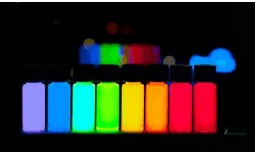
Quantum dots (QDs) are semiconductor nanocrystals, typically 2-10 nanometers in diameter, that exhibit unique optical and electronic properties due to quantum mechanical effects. When exposed to UV light, they emit light of specific wavelengths, making them highly fluorescent. Their remarkable photostability, narrow emission spectra, and broad absorption spectra make them superior to traditional organic dyes in many biological applications. Beyond their imaging capabilities, their unique surface properties and protective shell structures are now being leveraged for advanced biomolecule preservation.
How Quantum Dots Enhance Antibody Stability
The application of quantum dots and antibody stability is multifaceted. Quantum dots can be engineered to encapsulate or conjugate with antibodies, forming a protective shield that mitigates various degradation pathways:
- Physical Protection: The rigid structure of the quantum dot can physically encase the antibody, protecting it from shear forces, denaturation, and aggregation, especially during processes like freezing and thawing. This encapsulation can significantly improve antibody stability with quantum dots.
- Photoprotection: QDs themselves are highly resistant to photobleaching. When antibodies are linked or encapsulated with QDs, the nanocrystals can potentially absorb harmful UV radiation, protecting the antibody from photodegradation.
- Controlled Release: In some advanced designs, quantum dots can be part of a larger delivery system that ensures a stable microenvironment for the antibody, releasing it only when needed.
- Enhanced Thermal Stability: Research indicates that certain quantum dot formulations can impart increased resistance to thermal denaturation, extending the functional temperature range for antibody storage. This contributes directly to improved antibody longevity with quantum dots.
Quantum Dot Technology in Antibody Research and Applications in Immunology
Beyond storage, quantum dot technology in antibody research is revolutionizing diagnostics and imaging. QDs are widely used as fluorescent labels in immunoassays (e.g., ELISA, Western blot, immunohistochemistry) due to their brightness and resistance to photobleaching. In the context of storage, their protective capabilities are a natural extension of their stable nature. This opens new avenues for developing reagents with extended shelf lives and improved performance, particularly for challenging environments or long-distance transport. The broader implications of quantum dot applications in immunology include more robust diagnostic kits, stable therapeutic antibody formulations, and advanced bio-sensing platforms, all benefiting from enhanced biomolecule stability.
The integration of quantum dots offers a sophisticated solution for quantum dots in biological storage, moving beyond conventional limitations and setting new standards for antibody preservation.
Optimal Storage Protocols for Goat Anti-Guinea Pig Antibodies
Implementing precise goat anti-guinea pig storage protocols is non-negotiable for maintaining the quality and performance of these specific antibodies. While the principles apply broadly to all antibodies, specific considerations for Goat Anti-Guinea Pig Antibodies ensure their optimal preservation.
Initial Handling and Aliquoting
Upon receiving your Goat Anti-Guinea Pig Antibodies, immediate and careful handling is crucial. If the antibody is supplied in a concentrated stock solution and intended for long-term storage, aliquot it into smaller working volumes. This practice minimizes the number of times the primary stock is subjected to temperature changes and potential contamination. Use sterile, low-binding tubes to prevent antibody adsorption to the plastic surface. Proper goat antibody handling instructions emphasize sterility and minimizing exposure to air.
Temperature Control: Effects of Temperature on Antibody Storage
As highlighted, temperature is the most critical factor. For liquid antibodies, the recommended temperature for short-term storage (up to a few weeks) is 4°C. For long-term storage, -20°C is generally acceptable for up to a year, but -80°C is preferred for longer durations (several years). Lyophilized antibodies, once reconstituted, should be treated as liquid antibodies and stored at 4°C for short periods or frozen at -20°C/-80°C for longer. Always follow the manufacturer's specific recommendations, as these are tailored to the antibody's formulation. Understanding the precise effects of temperature on antibody storage for your specific product is vital.
Avoiding Freeze-Thaw Cycles
Repeated freezing and thawing are highly detrimental to antibodies, including Goat Anti-Guinea Pig Antibodies. Each cycle can cause denaturation, aggregation, and loss of activity due to ice crystal formation and protein concentration shifts. This is why aliquoting is so important. Once an aliquot is thawed, it should be used promptly and not refrozen. If small volumes are needed frequently, consider storing a working dilution at 4°C for daily use, provided it's consumed within a week or two.
Choosing the Right Container
The choice of storage container can also influence antibody stability. Use sterile, pyrogen-free, low-binding polypropylene tubes. Glass vials can sometimes cause antibodies to adsorb to the surface, especially at low concentrations. Ensure caps are tightly sealed to prevent evaporation and contamination. For sensitive applications, consider tubes designed for protein storage.
Goat Antibody Handling Instructions
Beyond temperature, general handling practices are key:
- Sterility: Always work in a clean environment, preferably a laminar flow hood, and use sterile reagents and equipment to prevent microbial contamination, which can lead to antibody degradation.
- Gentle Mixing: Avoid vigorous vortexing or shaking, which can introduce shear stress and cause denaturation. Gentle inversion or slow pipetting is preferred.
- Labeling: Clearly label all aliquots with the antibody name, concentration, date of preparation/aliquoting, and storage temperature. This ensures proper inventory management and adherence to guidelines for storing goat antibodies.
- Documentation: Keep detailed records of antibody lot numbers, storage conditions, and any observed changes in performance. This helps in troubleshooting and reproducibility.
By diligently following these protocols, you can significantly extend the goat antibody shelf life and ensure the consistent performance of your reagents.
Maximizing Antibody Longevity with Quantum Dot Applications
The integration of advanced technologies like quantum dots offers a promising frontier for extending the functional life of antibodies, particularly for specialized reagents such as Goat Anti-Guinea Pig Antibodies. By leveraging the unique properties of these nanocrystals, researchers can implement cutting-edge antibody storage tips with quantum dots to achieve unparalleled stability and performance.
Practical Antibody Storage Tips with Quantum Dots
While the direct application of quantum dots for antibody stabilization is still an evolving field, several strategies are being explored:
- Conjugation for Protection: Antibodies can be covalently or non-covalently linked to the surface of quantum dots. This creates a robust, larger complex where the QD acts as a protective scaffold, shielding the antibody from environmental stressors. This method directly enhances antibody stability with quantum dots by providing a physical barrier.
- Encapsulation within QD-Polymer Matrixes: For even greater protection, antibodies can be encapsulated within polymer nanoparticles that also contain quantum dots. This multi-layered approach offers superior protection against denaturation, aggregation, and degradation, making it ideal for maintaining antibody longevity with quantum dots in challenging conditions.
- Integration into Diagnostic Platforms: When antibodies are part of a quantum dot-based diagnostic kit, the formulation of the QD-antibody conjugate itself is optimized for stability. This means the commercially available quantum dot-conjugated antibodies are already designed for enhanced preservation, simplifying quantum dots for enhancing antibody efficacy in ready-to-use systems.
- Advanced Cryopreservation: While traditional cryoprotectants are effective, ongoing research explores how quantum dots, perhaps integrated into novel cryoprotective solutions, could further minimize freeze-thaw damage, offering superior goat anti-guinea pig antibody preservation.
Benefits for Goat Anti-Guinea Pig Antibody Preservation
Applying quantum dot-based strategies offers distinct advantages for Goat Anti-Guinea Pig Antibodies:
- Extended Shelf Life: The primary benefit is a significantly prolonged functional shelf life, reducing the need for frequent antibody replenishment and saving costs.
- Improved Performance in Harsh Conditions: Antibodies stabilized with quantum dots may better withstand variations in temperature, light exposure, and pH, making them more suitable for field diagnostics or use in less controlled lab environments.
- Reduced Aggregation: Quantum dot conjugation or encapsulation can effectively mitigate antibody aggregation, a common issue that leads to loss of activity and increased background in immunoassays.
- Enhanced Efficacy: By maintaining the antibody's native conformation and binding affinity, quantum dots contribute directly to quantum dots for enhancing antibody efficacy, ensuring more reliable and sensitive experimental results.
These advanced techniques represent the forefront of antibody storage and quantum dot applications, pushing the boundaries of biomolecule stability.
Common Challenges and Troubleshooting in Antibody Storage
Despite best efforts, issues can arise during antibody storage. Recognizing these problems and knowing how to troubleshoot them is vital for maintaining the integrity of your reagents, especially for specialized ones like Goat Anti-Guinea Pig Antibodies.
- Loss of Activity: If an antibody shows reduced binding or signal, consider if it has undergone too many freeze-thaw cycles, was stored at incorrect temperatures, or was exposed to light. Re-aliquoting and proper temperature control are key preventative measures.
- Aggregation/Precipitation: Visible particles or cloudiness indicate aggregation. This can be caused by improper freezing, high concentration, or exposure to harsh conditions. Gentle centrifugation might remove aggregates, but often the activity is compromised. Prevention through proper aliquoting and use of stabilizers is paramount.
- Contamination: Microbial growth (turbidity, foul odor) indicates bacterial or fungal contamination. This often happens if sterile techniques are not strictly followed. Discard contaminated antibodies immediately to prevent spread. Using sterile buffers and working in a clean environment are crucial goat antibody handling instructions.
- Adsorption to Surfaces: If an antibody is very dilute, it might stick to the walls of plastic tubes, leading to an apparent loss of concentration. Adding a carrier protein like BSA can mitigate this.
Regular monitoring of antibody performance through small-scale experiments and strict adherence to established optimal storage for goat antibodies protocols can help prevent most issues.
The Future of Antibody Storage: Beyond Conventional Methods
The field of antibody preservation is continuously evolving, driven by the increasing demand for stable, high-performance reagents in diverse applications, from clinical diagnostics to advanced research. While traditional methods remain foundational, innovations like quantum dot technology in antibody research are paving the way for next-generation storage solutions. Future developments may include smart packaging with integrated sensors to monitor conditions, self-healing materials that prevent micro-damage, and even more sophisticated biomimetic encapsulation techniques. The goal is to achieve room-temperature stability for extended periods, reducing reliance on cold chains and making high-quality antibodies more accessible and cost-effective globally. The ongoing exploration of quantum dot applications in immunology holds immense promise for achieving these ambitious goals, ensuring that critical reagents like Goat Anti-Guinea Pig Antibodies remain viable and effective for longer than ever before.
Conclusion
The integrity of Goat Anti-Guinea Pig Antibodies is paramount to the success of any immunological experiment. By understanding the factors that compromise antibody stability and diligently adhering to meticulous storage protocols, researchers can significantly extend the functional life of these valuable reagents. From precise temperature control and careful aliquoting to the strategic use of stabilizers, every step contributes to preserving their activity. Furthermore, the emerging potential of quantum dots in antibody storage represents an exciting frontier, promising enhanced stability and longevity far beyond traditional methods. Embracing these advanced techniques and maintaining rigorous best practices for antibody storage will ensure the reliability and reproducibility of your research, driving scientific discovery forward. Investing in proper storage is an investment in the quality and impact of your scientific endeavors.
Frequently Asked Questions About Antibody Storage
A: For long-term storage of Goat Anti-Guinea Pig Antibodies, -20°C is generally acceptable for up to a year, but -80°C is highly recommended for periods beyond one year. It is crucial to aliquot the antibody into smaller volumes before freezing to avoid repeated freeze-thaw cycles, which are highly detrimental to antibody stability and activity. Always refer to the specific manufacturer's guidelines for your antibody.
A: Quantum dots can enhance antibody stability through various mechanisms when integrated into storage solutions or conjugated directly to antibodies. They can provide physical protection by encapsulating or shielding the antibody, reducing denaturation and aggregation. Some formulations may also offer photoprotection by absorbing harmful UV light, and certain quantum dot materials can improve thermal stability. This leads to improved antibody longevity with quantum dots by creating a more stable microenvironment for the antibody.
A: Storing Goat Anti-Guinea Pig Antibodies at 4°C is generally suitable for short-term use, typically for a few days to a few weeks. For storage periods extending to several months, freezing at -20°C or -80°C is strongly recommended. Long-term storage at 4°C can lead to gradual degradation, loss of activity, and potential microbial growth, even with preservatives. Aliquoting and freezing are key for maintaining optimal storage for goat antibodies over months.
A: Key goat antibody handling instructions include: always using sterile techniques to prevent contamination, aliquoting the antibody into single-use or small-volume aliquots to avoid repeated freeze-thaw cycles, storing at the recommended temperature (-20°C or -80°C for long-term), using low-binding tubes, and avoiding vigorous vortexing. Adding stabilizers like BSA or glycerol as per manufacturer's advice can also significantly help maintain antibody integrity and extend goat antibody shelf life.
A: While quantum dot technology in antibody research is a rapidly advancing field, their direct inclusion as a standard stabilizer in general commercial antibody storage solutions (for unconjugated antibodies) is not yet widespread. However, quantum dots are extensively used as labels and integral components in many advanced diagnostic kits and immunoassay reagents where the antibody is conjugated to the QD. In such cases, the QD-antibody conjugate itself is formulated for enhanced stability, leveraging the benefits of quantum dots in biological storage for the specific product.
Related Products
-
Sale!

Cadmium Selenide Zinc Sulfide Quantum Dots- Alkyl (440nm-460nm)
Original price was: ₹53,870.00.₹35,910.00Current price is: ₹35,910.00. -
Sale!
Cadmium Selenide Zinc Sulfide Quantum Dots- Carboxyl (450nm-650nm)
Original price was: ₹62,500.00.₹41,400.00Current price is: ₹41,400.00. -
Sale!

CdSe/ZnS quantum dots, hydrophobic, 530±5 nm, dry
Original price was: ₹35,400.00.₹22,900.00Current price is: ₹22,900.00. -
Sale!
CdSe/ZnS quantum dots, hydrophobic, dry (5×10mg)
Original price was: ₹43,655.00.₹29,303.00Current price is: ₹29,303.00. -
Sale!
CdSe/ZnS quantum dots, hydrophobic, dry (5×5mg)
Original price was: ₹35,400.00.₹22,900.00Current price is: ₹22,900.00. -
Sale!

CdSe/ZnS(core/shell) Quantum Dots, Powder, Hydrophobic (530 ± 5 nm to 650 ± 5 nm)
Original price was: ₹19,482.00.₹11,807.00Current price is: ₹11,807.00. -
Sale!
CdTe Quantum Dots, Hydrophilic, Dry (5×10 mg)
Original price was: ₹42,790.00.₹28,518.00Current price is: ₹28,518.00. -
Sale!
CdTe quantum dots, hydrophilic, dry (5×5 mg)
Original price was: ₹33,832.00.₹22,400.00Current price is: ₹22,400.00. -
Sale!
CdTe quantum dots, hydrophilic, dry (5×50 mg)
Original price was: ₹101,351.00.₹67,567.00Current price is: ₹67,567.00.


Contact Us
Have more questions about antibody storage, quantum dots, or our products? Reach out to our experts!