
Surfactant Stabilized Gold Nanoparticles: Quality & Performance
Delve into the revolutionary realm of surfactant stabilized gold nanoparticles, where exceptional quality meets unparalleled performance. This comprehensive guide explores how precise surfactant interactions with gold nanoparticles unlock their full potential across diverse applications, ensuring superior stability and functionality. Discover the myriad surfactant stabilized nanoparticles benefits and their pivotal role in modern technology, from groundbreaking biomedical innovations and advanced electronics to cutting-edge environmental solutions.
Explore Our Gold Nanoparticle Solutions
The Unseen Power of Surfactant Stabilized Gold Nanoparticles: Elevating Quality and Performance
In the rapidly evolving landscape of nanotechnology, gold nanoparticles stand out as a cornerstone material due to their unique optical, electronic, catalytic, and thermal properties. These properties are size- and shape-dependent, making precise control over their synthesis and long-term stability absolutely critical. However, harnessing these microscopic wonders effectively hinges on preventing their aggregation, which naturally occurs due to their high surface energy. This is precisely where the critical role of surfactants comes into play. Surfactant stabilized gold nanoparticles represent a significant leap forward, offering unparalleled stability, controlled size distribution, tunable surface chemistry, and improved biocompatibility, all vital for achieving truly high performance gold nanoparticles across a spectrum of demanding applications.
Understanding Surfactant Interactions with Gold Nanoparticles
At their core, gold nanoparticles are microscopic gold particles, typically ranging from 1 to 100 nanometers in diameter. Without proper stabilization, these tiny particles tend to clump together (aggregate) through van der Waals forces, losing their distinct quantum properties and rendering them ineffective for most advanced uses. Surfactants, or surface-active agents, are amphiphilic compounds – meaning they possess both hydrophilic (water-loving) and hydrophobic (water-fearing) parts. When using surfactants in gold nanoparticle synthesis, these molecules preferentially adsorb onto the surface of the gold nanoparticles, forming a protective layer. This layer creates either electrostatic repulsion (for charged surfactants) or steric hindrance (for bulky polymeric surfactants), or a combination of both, effectively preventing particle-particle contact and subsequent aggregation. This mechanism ensures robust gold nanoparticle stability with surfactants, maintaining their colloidal dispersion over extended periods and in various media.
The choice of surfactant is paramount and profoundly impacts the resulting quality surfactant stabilized nanoparticles. Different classes of surfactants—anionic (e.g., sodium citrate, mercaptoacetic acid), cationic (e.g., cetyltrimethylammonium bromide, CTAB), non-ionic (e.g., polyethylene glycol, PEG), and zwitterionic—impart distinct surface chemistries and stability mechanisms. For instance, CTAB is often used to promote the growth of anisotropic gold nanostructures like nanorods, while citrate is common for spherical nanoparticles. The precise surfactant interactions with gold nanoparticles dictate their final size, shape, surface charge, and ultimately, their suitability and performance of gold nanoparticles in specific applications.
The Transformative Benefits of Surfactant Stabilization
The advantages of employing surfactants for gold nanoparticle stabilization are extensive and directly contribute to their superior quality and versatile performance:
- Exceptional Colloidal Stability: Surfactants provide a physical barrier or an electrostatic shield, effectively preventing nanoparticles from agglomerating. This kinetic stability is crucial for maintaining a uniform dispersion, which is vital for long-term storage, consistent experimental results, and reliable product performance. Without this, nanoparticles would rapidly settle out of solution, losing their unique properties.
- Precise Control Over Size and Shape: During the synthesis process, surfactants can act as templating agents or growth modifiers. By selectively adsorbing onto specific crystal facets of the growing gold nanoparticles, they can direct the growth towards desired morphologies such as nanospheres, nanorods, nanocubes, or nanoprisms. This fine-tuned control is essential, as the optical, catalytic, and electronic properties of gold nanoparticles are highly dependent on their size and shape.
- Enhanced Dispersibility in Diverse Media: The surfactant layer can be tailored to render the gold nanoparticles dispersible in a wide range of solvents, from polar aqueous solutions to non-polar organic solvents. This versatility significantly broadens their utility, enabling their incorporation into various matrices, polymers, and biological systems. This is particularly important for developing gold nanoparticles for surfactant applications across different industries.
- Facilitated Surface Functionalization: The outer layer of the surfactant-stabilized nanoparticle provides a readily accessible platform for further modification. The surfactant molecules can be exchanged with other ligands (e.g., thiols, amines) or directly functionalized with biomolecules (e.g., antibodies, DNA, peptides) using established bioconjugation chemistries. This ability to precisely functionalize the gold nanoparticles surface stabilization is critical for targeted drug delivery, biosensing, and catalytic applications.
- Improved Biocompatibility and Reduced Toxicity: For applications within biological systems, certain surfactants (like PEG) can significantly enhance the biocompatibility of gold nanoparticles, reducing their non-specific uptake by cells and minimizing potential immunogenic responses. This "stealth" effect is vital for enabling safe and effective gold nanoparticles for biomedical applications and ensuring the overall surfactant effects on nanoparticle quality support biological integration.
These comprehensive surfactant stabilized nanoparticles benefits underscore why this stabilization strategy is indispensable in modern nanotechnological advancements.
Synthesis and Characterization: The Foundation of High Quality Nanoparticles
The journey to producing high-quality surfactant stabilized gold nanoparticles begins with meticulous synthesis. Common methods include chemical reduction techniques where a gold salt precursor (like chloroauric acid, HAuCl4) is reduced by an agent (e.g., sodium citrate, sodium borohydride) in the presence of the chosen surfactant. Reaction parameters such as temperature, pH, reactant concentrations, and stirring speed are carefully controlled to influence particle nucleation and growth, ensuring consistent results.
Equally important is the rigorous characterization of gold nanoparticles to validate their properties and ensure their suitability for intended applications. Key characterization techniques include:
- Transmission Electron Microscopy (TEM) and Scanning Electron Microscopy (SEM): These provide direct visualization of nanoparticle size, shape, and morphology, confirming the success of the synthesis and the efficacy of the surfactant in controlling growth.
- Dynamic Light Scattering (DLS): Measures the hydrodynamic size distribution and polydispersity of the nanoparticles in solution, indicating their dispersion quality and aggregation state.
- UV-Visible Spectroscopy: Gold nanoparticles exhibit a distinct surface plasmon resonance (SPR) band in the UV-Vis spectrum. The peak position and intensity of this band are highly sensitive to particle size, shape, and aggregation, serving as a rapid indicator of colloidal stability and successful synthesis.
- Zeta Potential Measurement: Determines the surface charge of the nanoparticles, which is a crucial indicator of their colloidal stability. A high absolute zeta potential (positive or negative) signifies strong electrostatic repulsion between particles, indicating good stability provided by the gold nanoparticles surface stabilization.
- X-ray Diffraction (XRD): Confirms the crystalline nature of gold and provides information on crystal structure and lattice parameters.
This meticulous characterization workflow is essential for understanding the surfactant effects on nanoparticle quality and guaranteeing the production of consistent, reliable, and high performance gold nanoparticles.
Major Applications of Surfactant Stabilized Gold Nanoparticles: Driving Innovation
The unique properties conferred by surfactant stabilization have propelled gold nanoparticles to the forefront of innovation across numerous sectors. Their versatility makes them indispensable for a wide array of cutting-edge applications.
1. Biomedical Applications: Revolutionizing Diagnostics and Therapeutics
The field of medicine has been profoundly impacted by gold nanoparticles for biomedical applications. Their biocompatibility (when properly stabilized), ease of functionalization, and unique optical properties make them ideal for:
- Advanced Drug Delivery Systems: Gold nanoparticles for drug delivery can be engineered to encapsulate a wide range of therapeutic agents, including small molecule drugs, proteins, and nucleic acids. The surfactant coating ensures stability in complex biological fluids and can be designed to facilitate targeted delivery to specific cells or tissues, such as cancer cells, minimizing systemic side effects. For example, PEG-coated gold nanoparticles enhance circulation time and reduce immunogenicity, making them ideal carriers for chemotherapeutics.
- Precision Diagnostics and Imaging: They are extensively used as highly effective contrast agents in various imaging techniques, including Computed Tomography (CT), Photoacoustic Imaging, and Optical Coherence Tomography (OCT), offering higher resolution and sensitivity compared to traditional agents. Furthermore, their surface can be functionalized with specific antibodies or ligands to target disease biomarkers, enabling early and accurate detection of conditions like cancer or infectious diseases. In rapid diagnostic tests, they are key components in lateral flow assays (e.g., pregnancy tests, COVID-19 rapid tests) due to their strong optical signal.
- Targeted Therapeutics: In photothermal therapy (PTT), gold nanoparticles absorb near-infrared (NIR) light and efficiently convert it into localized heat, selectively destroying cancer cells while sparing healthy tissue. Similarly, in photodynamic therapy (PDT), they can enhance the generation of reactive oxygen species to induce cell death. They are also being explored for radiation therapy enhancement, acting as radiosensitizers.
- Highly Sensitive Biosensors: The localized surface plasmon resonance (LSPR) of gold nanoparticles makes them excellent components for developing ultra-sensitive biosensors. These sensors can detect minute quantities of analytes such as proteins, DNA, viruses, and environmental toxins, offering rapid and accurate results for clinical diagnostics and environmental monitoring.
These diverse applications vividly demonstrate the immense potential and tangible surfactant stabilized nanoparticles benefits in advancing medical science and patient care.
2. Electronics and Photonics: Powering the Digital Age and Beyond
The electronic and photonic industries are constantly seeking materials with enhanced conductivity, optical responsiveness, and capabilities for miniaturization. Surfactant stabilized nanoparticles in electronics offer compelling and innovative solutions:
- High-Performance Conductive Inks: Gold nanoparticles can be formulated into highly conductive inks, enabling the fabrication of flexible electronics, printed circuits, RFID tags, and sensors through cost-effective printing techniques. The surfactant ensures uniform dispersion of the nanoparticles in the ink and prevents aggregation during the printing and curing processes, leading to smooth, highly conductive traces.
- Enhanced Organic Light-Emitting Diodes (OLEDs) and Solar Cells: Incorporating gold nanoparticles can significantly enhance the efficiency and lifespan of OLED devices by improving light extraction and charge transport. In solar cells, particularly plasmon-enhanced photovoltaic devices, gold nanoparticles can boost light absorption and charge separation, leading to higher energy conversion efficiencies.
- Advanced Plasmonic Devices: Their ability to support strong surface plasmon resonance makes them crucial for developing next-generation optical filters, waveguides, optical switches, and metamaterials that can manipulate light at the nanoscale, opening doors for ultra-fast communication and data processing.
- Novel Memory Devices: Research is actively exploring their use in non-volatile memory devices and resistive random-access memory (RRAM) due to their unique electrical properties and charge storage capabilities, potentially leading to faster and more energy-efficient data storage solutions.
The precise control over their properties, afforded by meticulous gold nanoparticles in surfactant technology, is driving these transformative innovations and setting new benchmarks for device performance.
3. Environmental Applications: Towards a Cleaner and Healthier Planet
Gold nanoparticles in environmental applications are gaining significant traction for their crucial role in addressing pressing ecological and public health challenges:
- Efficient Catalysis for Pollution Control: Gold nanoparticles are exceptional catalysts for a wide range of chemical reactions, including the degradation of persistent organic pollutants in water and air, and the conversion of harmful gases (like carbon monoxide) into less toxic forms. Surfactant stabilization not only prevents catalyst aggregation but also provides specific surface sites that can enhance catalytic efficiency, selectivity, and recyclability, making them highly sustainable solutions.
- High-Sensitivity Pollutant Detection: Leveraging their optical and electronic properties, gold nanoparticles form the basis of highly sensitive and selective sensors capable of detecting trace amounts of heavy metals (e.g., lead, mercury), pesticides, pharmaceuticals, and other emerging contaminants in water, soil, and air. This capability is vital for environmental monitoring and ensuring public safety.
- Advanced Water Treatment: They can be employed in advanced oxidation processes (AOPs) for the effective removal of recalcitrant organic pollutants from wastewater. Gold nanoparticle-based photocatalysts can utilize light energy to break down complex organic molecules into harmless byproducts, offering an environmentally friendly approach to water purification.
These applications underscore the broad utility and significant environmental impact of surfactant stabilized nanomaterials, contributing to a more sustainable future.
The Future Landscape: Innovations in Gold Nanoparticle Surfactants and Beyond
The field of innovations in gold nanoparticle surfactants is incredibly dynamic, with ongoing research focused on developing novel surfactants that offer even greater control over nanoparticle properties, enhanced stability under extreme conditions (e.g., high temperature, varying pH), and superior biocompatibility for complex biological environments. Efforts are also directed towards creating "smart" or responsive surfactants that can change their conformation or binding affinity in response to external stimuli such as pH changes, temperature fluctuations, or specific light wavelengths. This capability could enable precise, on-demand release in drug delivery systems or dynamic tuning of optical properties for advanced photonic devices.
The synergy between advanced synthesis techniques, sophisticated characterization methods, and novel surfactant design will continue to push the boundaries of what best surfactant stabilized gold nanoparticles can achieve. As we look ahead, the development of more sustainable and environmentally friendly surfactant systems will also be a key focus, aligning with global efforts towards green chemistry in nanotechnology. While this article primarily focuses on gold nanoparticles, it's worth noting that similar principles of stabilization and functionalization apply to other cutting-edge nanomaterials, including organic soluble iron oxide nanoparticles. These iron oxide nanoparticles also find extensive use in catalysis, biomedical imaging (e.g., MRI contrast agents), and magnetic applications, showcasing the broader and profound impact of surfactant technology across the entire spectrum of nanoscience and its diverse applications.
Discover More About Our High Performance Gold NanoparticlesFrequently Asked Questions About Surfactant Stabilized Gold Nanoparticles
Explore Related Nanomaterials and Solutions
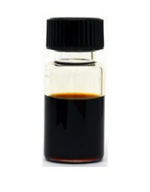
Beyond the exceptional properties of gold nanoparticles, our comprehensive portfolio also includes other cutting-edge nanomaterials. Discover our range of organic soluble iron oxide nanoparticles, which, similar to gold nanoparticles, benefit immensely from precise surface stabilization for enhanced performance in magnetic, catalytic, and biomedical imaging applications. These highly dispersible nanoparticles are engineered for demanding industrial and research needs.
Get in Touch for Custom Nanoparticle Solutions
Have specific requirements for best surfactant stabilized gold nanoparticles or other advanced nanomaterials like organic soluble iron oxide nanoparticles? Our team of experts is ready to assist you in finding the perfect solution for your research or industrial application. Contact us today to discuss how our high-quality, high-performance nanomaterials can support your innovative projects.