
Why Choose Endotoxin Free Gold NanoUrchins?
In the rapidly advancing world of nanotechnology and biomedicine, the purity and reliability of materials are paramount. Gold NanoUrchins (GNUs) represent a cutting-edge class of nanoparticles, celebrated for their unique spiky morphology and exceptional optical properties. However, their full potential in sensitive biological applications can only be realized when they are free from harmful contaminants, especially endotoxins. This article delves into why choosing endotoxin free gold nanourchins is not just a preference, but a critical necessity for ensuring the safety, efficacy, and reproducibility of your research and products.
Explore Our Endotoxin-Free Gold NanoUrchins
The Unique Edge of Gold NanoUrchins
Gold nanourchins, or GNUs, are a fascinating subset of gold nanoparticles characterized by their distinctive morphology – a central core with multiple sharp spikes radiating outwards, resembling a sea urchin. This unique structure provides an exceptionally high surface area-to-volume ratio, which is crucial for various applications. The spikes act as hot spots, significantly enhancing their localized surface plasmon resonance (LSPR) properties compared to spherical gold nanoparticles. This enhanced plasmonic effect makes them highly valuable for sensing, imaging, and photothermal applications.
Beyond their optical prowess, the inherent stability of gold nanourchins is another key benefit. Gold, being chemically inert, provides a robust foundation. The spiky geometry further contributes to their colloidal stability in various media, making them resilient for long-term storage and diverse experimental conditions. The precise characterization of gold nanourchins is vital to ensure their quality and consistent performance, often involving techniques like TEM, DLS, and UV-Vis spectroscopy to confirm their size, shape, and optical properties.
Understanding the Endotoxin Threat in Nanoparticles
Endotoxins, primarily lipopolysaccharides (LPS) found in the outer membrane of Gram-negative bacteria, are potent immune activators. Even in minute quantities, they can trigger severe inflammatory responses in biological systems, leading to fever, shock, and organ damage. When nanoparticles are intended for biomedical applications, especially those involving in-vivo administration or cell culture, the presence of endotoxins can lead to misleading experimental results, cytotoxicity, and adverse patient reactions. This makes endotoxin removal in nanoparticles an absolutely critical step.
Traditional nanoparticle synthesis methods often involve reagents or environments that are not entirely sterile, leading to potential contamination. Since nanoparticles are often designed to interact closely with biological components, any hidden endotoxin contamination can compromise the integrity of research and the safety of therapeutic agents. The challenge lies in efficiently removing these contaminants without altering the desired properties or increasing the cost significantly. This is precisely why the demand for truly endotoxin free gold nanourchins has surged in recent years.
The Indispensable Benefits of Endotoxin-Free Gold NanoUrchins
The transition to endotoxin free gold nanourchins offers a multitude of benefits, particularly for sensitive biomedical and clinical applications. First and foremost, it ensures enhanced biocompatibility. By eliminating endotoxins, these nanoparticles minimize the risk of unwanted immune responses, making them safer for cellular uptake studies, animal models, and eventually, human clinical trials. This purity translates directly into more reliable and reproducible experimental data, which is crucial for scientific validation and regulatory approval.
Moreover, the absence of endotoxins prevents false positives in diagnostic assays and ensures that observed biological effects are genuinely attributable to the nanoparticles themselves, rather than to contaminants. This level of purity is essential for developing accurate biosensors and effective therapeutic strategies. For instance, in gold nanourchins for drug delivery, endotoxin-free status ensures that the therapeutic payload reaches its target without causing systemic inflammation or toxicity from the carrier itself. Similarly, for gold nanourchins for diagnostics, it guarantees the specificity and sensitivity of detection without interference from immunogenic impurities. The overall benefits of gold nanourchins are amplified significantly when they are endotoxin-free, making them a superior choice for advanced research and clinical translation.
Pioneering Synthesis: The Role of Imidazolium Ionic Liquids in Nanotechnology
The advanced synthesis of ionic liquids, particularly imidazolium ionic liquids, has revolutionized the field of nanotechnology. Ionic liquids (ILs) are salts that are liquid at or near room temperature, offering unique properties such as negligible vapor pressure, high thermal stability, and excellent solvating capabilities for a wide range of materials. Their tunable properties – by varying the cation and anion – make them incredibly versatile for controlled nanoparticle synthesis.
In the context of gold nanourchins, ionic liquids in nanotechnology serve as excellent reaction media, templates, and capping agents. Imidazolium salts in synthesis, for example, can act as soft templates, influencing the anisotropic growth of gold nanoparticles into urchin-like structures. The specific interactions between the imidazolium cation and gold precursors can direct crystal growth along preferred facets, leading to the formation of the characteristic spikes. Furthermore, the inherent purity and non-toxic nature of certain ILs contribute to the overall cleanliness of the synthesis process, indirectly supporting the production of cleaner, more biocompatible nanoparticles.
The unique ionic liquid properties, such as their ability to stabilize nanoparticles and prevent aggregation, further enhance the quality and yield of the synthesized endotoxin free gold nanourchins. This intersection of ionic liquids and green chemistry principles means that the synthesis methods are not only efficient but also more environmentally friendly, reducing the need for harsh organic solvents and minimizing waste. This innovative approach to gold nanourchins synthesis methods paves the way for scalable and sustainable production of high-purity nanomaterials.
Recent Major Applications of Endotoxin-Free Gold NanoUrchins
The superior properties and endotoxin-free nature of gold nanourchins have opened doors to a myriad of groundbreaking gold nanourchins application across various scientific and medical disciplines. Their enhanced surface area and plasmonic capabilities make them ideal candidates for a range of advanced uses:
Gold Nanourchins for Drug Delivery
The spiky morphology of GNUs allows for high drug loading capacity and improved cellular internalization. As carriers, gold nanourchins for drug delivery can be functionalized with targeting ligands to deliver therapeutic agents specifically to diseased cells or tissues, minimizing off-target effects. For instance, in cancer therapy, they can be loaded with chemotherapeutic drugs or siRNA, offering a localized and potent treatment strategy while reducing systemic toxicity. The endotoxin-free nature is critical here, ensuring that the delivery vehicle itself does not induce an inflammatory response, which could compromise treatment efficacy or patient safety.
Gold Nanourchins for Diagnostics
The strong LSPR of GNUs makes them excellent platforms for highly sensitive diagnostic tools. Gold nanourchins for diagnostics are employed in various biosensing applications, including the detection of biomarkers for early disease diagnosis, pathogens, and environmental contaminants. Their signal enhancement capabilities are utilized in surface-enhanced Raman scattering (SERS) for ultra-sensitive molecular detection. In medical imaging, they serve as contrast agents for computed tomography (CT) and photoacoustic imaging, providing high-resolution visuals of biological structures and processes. The absence of endotoxins ensures the reliability and accuracy of diagnostic readouts, preventing false positives that could arise from immune reactions to contaminants.
Gold Nanourchins in Therapy
Beyond drug delivery, gold nanourchins in therapy leverage their photothermal properties. When illuminated with near-infrared (NIR) light, GNUs efficiently convert light energy into heat. This localized heating can be used for photothermal therapy (PTT) to ablate cancer cells with minimal damage to surrounding healthy tissue. Their application extends to photodynamic therapy (PDT) when combined with photosensitizers, and even as radiosensitizers to enhance the efficacy of radiation therapy. The purity of these nanoparticles is paramount in therapeutic contexts to prevent adverse reactions that could compromise patient well-being.
Gold Nanourchins in Biology and Environmental Applications
In broader biological research, gold nanourchins in biology are used for advanced cell imaging, tracking cellular processes, and studying cell-nanoparticle interactions. Their unique optical properties allow for deep tissue penetration and high-contrast imaging. Furthermore, the exploration of environmentally friendly ionic liquids in their synthesis underscores a commitment to sustainable nanotechnology. This aligns with the growing trend of developing green and sustainable materials for diverse applications, including environmental remediation and catalysis, where the unique properties of GNUs can be harnessed without ecological burden. The broad applications of ionic liquids continue to grow, further solidifying their importance in the sustainable development of high-performance nanomaterials.
Ready to Enhance Your Research with Pure Nanomaterials?
Don't compromise on the quality and safety of your nanotechnology projects. Choose our meticulously purified, endotoxin free gold nanourchins for your most critical applications.
View Our Endotoxin-Free Gold NanoUrchins ProductRelated Products
-
Sale!

1-(2-Hydroxyethyl)-3-Methylimidazolium Bis(trifluoromethylsulfonyl)Imide, 99%
Price range: ₹28,128.00 through ₹1,579,426.00 -
Sale!

1-Allyl-3-Methylimidazolium Bis(trifluoromethylsulfonyl)Imide, 99%
Price range: ₹32,752.00 through ₹456,604.00 -

1-Benzyl-3-Methylimidazolium Bis(trifluoromethylsulfonyl)Imide, 99%
Price range: ₹32,752.00 through ₹456,604.00 -
Sale!

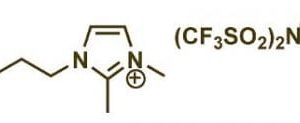
1-Butyl-2,3-Dimethylimidazolium Bis(trifluoromethylsulfonyl)Imide, 99%
Original price was: ₹32,456.00.₹17,082.00Current price is: ₹17,082.00. -
Sale!

1-Butyl-3-Ethylimidazolium Tetrafluoroborate, 98%
Original price was: ₹33,790.00.₹17,784.00Current price is: ₹17,784.00. -
Sale!

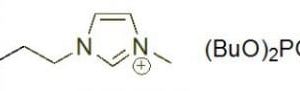
1-Butyl-3-Methylimidazolium Dibutylphosphate, 97%
Original price was: ₹72,026.00.₹37,908.00Current price is: ₹37,908.00. -

1-Butyl-3-vinylimidazolium bis(trifluoromethylsulfonyl)imide, 98%
-
Sale!

1-Decyl-3-Methylimidazolium Bromide, >98%
Original price was: ₹34,679.00.₹18,252.00Current price is: ₹18,252.00. -
Sale!

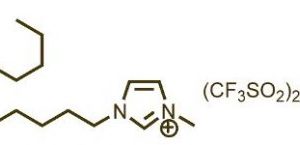
1-Dodecyl-3-Methylimidazolium Bis(trifluoromethylsulfonyl)imide, 98%
Original price was: ₹57,354.00.₹30,186.00Current price is: ₹30,186.00.





Explore our range of high-quality products, including various imidazolium ionic liquids and other advanced materials that complement the research and application of gold nanourchins.
Frequently Asked Questions (FAQs)
Contact Us
Have more questions or need a custom solution? Reach out to our experts.