Why Choose Water Repellent Textile Finishing Agents?
In today’s dynamic world, the demand for high-performance textiles that offer protection and comfort is soaring. From outdoor gear to everyday apparel, the need for fabrics that can withstand the elements without compromising breathability or aesthetics has never been greater. This is where water repellent textile finishing agents come into play, transforming ordinary fabrics into extraordinary barriers against moisture. But why are these agents, especially those leveraging cutting-edge innovations like Ruthenium oxide textile finishing, becoming indispensable in the modern textile industry?
Explore Our Water Repellent Solutions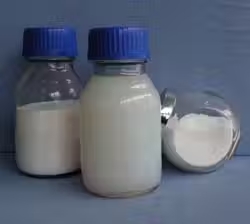
The Imperative for Water Repellent Textile Solutions
The textile industry is constantly evolving, driven by consumer expectations for durability, comfort, and functionality. Fabrics that repel water offer numerous advantages, extending the lifespan of garments, improving user comfort in adverse weather, and enabling new applications in specialized fields. Traditional waterproofing methods often involved heavy, non-breathable coatings. However, modern water repellent textile solutions focus on creating a microscopic surface structure that causes water to bead up and roll off, leaving the fabric dry and breathable. This distinction is crucial for enhancing overall performance and wearability.
Understanding Durable Water Repellency (DWR) and Its Significance
At the heart of high-performance water resistance lies Durable Water Repellency (DWR). DWR finishes are applied to the outer layer of fabric to make it hydrophobic. This prevents the fabric from becoming saturated, which maintains its breathability and insulation properties. Without effective DWR, even a waterproof membrane can be compromised as the outer fabric wets out, leading to a clammy sensation and reduced thermal performance. The search for the best water repellent agents is a continuous journey, pushing the boundaries of material science to achieve superior and long-lasting effects.
Ruthenium Oxide: A Game-Changer in Textile Finishing Innovations
While various chemicals have been used for water repellency, recent advancements have brought novel materials to the forefront. Among these, Ruthenium oxide textile finishing is emerging as a significant innovation. Ruthenium oxide, known for its exceptional chemical stability and unique surface properties, offers a promising pathway to developing highly effective and potentially more sustainable water repellent coatings. Its integration into textile treatments represents a leap forward in achieving superior performance and durability, addressing some of the limitations of older technologies.
Exploring Ruthenium Oxide Benefits in Textile Applications
The advent of Ruthenium oxide technology in textile finishing brings a plethora of benefits. Unlike some conventional fluorine-based compounds, which face environmental scrutiny, Ruthenium oxide presents an attractive alternative. Its application can lead to fabrics with exceptional water resistance, often surpassing the performance of traditional DWR treatments. The key Ruthenium oxide benefits include:
- Superior Hydrophobicity: Creating an ultra-repellent surface that effectively sheds water.
- Enhanced Durability: The robust nature of Ruthenium oxide ensures the water repellency lasts longer, even after multiple washes and extended wear.
- Breathability Retention: Unlike heavy coatings, Ruthenium oxide finishes can maintain the fabric's natural breathability, crucial for comfort.
- Potential for Eco-Friendliness: As research progresses, Ruthenium oxide-based solutions are being explored for their reduced environmental impact compared to some legacy chemicals, aligning with the trend towards eco-friendly textile finishes.
Major Applications of Water Repellent Textile Agents
The versatility of water repellent textile solutions means they are employed across a wide array of industries and products. From consumer goods to highly specialized industrial textiles, their applications are diverse and critical for performance.
Outdoor and Sportswear
This is perhaps the most obvious application. Jackets, pants, tents, and backpacks all benefit immensely from waterproof textile treatments. Whether it's a sudden downpour on a hike or protection from snow during skiing, fabrics treated with high-performance textile agents ensure comfort and safety. Consumers demand gear that keeps them dry without feeling clammy, making durable water repellency a non-negotiable feature. Brands are increasingly looking for advanced solutions like those offered by Ruthenium oxide applications to gain a competitive edge.
Automotive and Marine Textiles
Vehicle interiors, convertible tops, and boat covers are constantly exposed to the elements. Water resistant fabric treatments prevent mold, mildew, and material degradation, extending the lifespan and maintaining the aesthetic appeal of these components. The durability offered by advanced finishes is paramount in these demanding environments.
Medical and Healthcare Textiles
In clinical settings, textiles like surgical gowns, drapes, and bed linens often require fluid resistance to prevent contamination and ensure hygiene. Water repellent finishes create a barrier against liquids, playing a crucial role in infection control. The ability to resist blood and other bodily fluids is vital, underscoring the importance of reliable textile chemistry advancements.
Industrial and Protective Clothing
Workers in various industries, from construction to chemical handling, need clothing that protects them from liquids, oils, and chemicals. Innovative textile treatments provide a crucial line of defense, enhancing safety and compliance with regulations. This includes uniforms for emergency services, military personnel, and industrial workers where performance cannot be compromised.
Home Furnishings and Upholstery
Spills and stains are common occurrences in homes. Water repellent finishes on sofas, carpets, and curtains make them easier to clean and maintain, significantly extending their aesthetic life and reducing replacement costs. This is a growing segment for water repellent finishing techniques, appealing to modern lifestyles.
The Future of Textile Finishing: Sustainability and Innovation
The textile industry is increasingly focused on sustainability. Consumers and regulations alike are pushing for more environmentally responsible manufacturing processes and products. This has led to a significant shift in the development of eco-friendly textile finishes. Researchers are actively exploring alternatives to per- and polyfluoroalkyl substances (PFAS), which have historically been effective but raise environmental and health concerns. The pursuit of sustainable textile solutions is driving innovation, making Ruthenium oxide and similar novel compounds highly relevant.
Addressing Environmental Concerns with Advanced Waterproof Textile Treatments
The move away from older chemistries towards more benign alternatives is a major trend. Ruthenium oxide technology is being investigated for its potential to provide high performance with a lower environmental footprint. This includes research into more efficient application methods that reduce waste and energy consumption, contributing to a truly sustainable textile value chain. The entire textile industry trends are pointing towards solutions that balance performance with ecological responsibility.
The Role of Ruthenium Oxide in the Evolving Textile Market
As the demand for high-performance, eco-conscious textiles grows, the Ruthenium oxide market for textile applications is poised for expansion. Its unique Ruthenium oxide properties, such as its catalytic activity and stability, make it an intriguing candidate for next-generation DWR treatments. Continuous research and development in textile chemistry advancements will refine these applications, making them more accessible and cost-effective for widespread adoption.
Choosing the Best Water Repellent Agents for Your Needs
Selecting the right water repellent finishing agent depends on various factors, including the specific fabric type, intended application, desired level of repellency, and environmental considerations. Whether you prioritize extreme durability, breathability, or eco-friendliness, there’s a solution tailored to your requirements. Investing in advanced textile waterproofing means investing in the longevity and performance of your products.
- Performance Requirements: How much water resistance is needed? For what duration?
- Fabric Compatibility: Does the agent work well with natural fibers, synthetics, or blends?
- Application Method: Is it suitable for spray, dip, or foam application?
- Environmental Profile: Is it an eco-friendly textile finish? Is it free from harmful chemicals?
- Cost-Effectiveness: Balancing performance with economic viability.
By carefully evaluating these aspects, manufacturers can make informed decisions that lead to superior products. The integration of cutting-edge materials like those stemming from Ruthenium oxide technology is critical for staying ahead in the competitive textile landscape.
Frequently Asked Questions about Water Repellent Textile Finishing
A: Water repellent textile solutions mean the fabric has been treated to resist water penetration, causing water to bead up and roll off. It offers good protection against light rain and spills. Waterproof textile treatments, on the other hand, typically involve a membrane or coating that completely prevents water from passing through, often making the fabric impermeable even under pressure. While waterproof fabrics are essential for extreme conditions, water repellent fabrics often prioritize breathability and comfort for everyday use or less intense weather.
A: The durability of water repellent finishing techniques has significantly improved. Modern DWRs, particularly those incorporating advanced materials such as those derived from Ruthenium oxide properties, are designed for enhanced longevity. They can withstand numerous washes and extended wear while maintaining their effectiveness. The exact lifespan depends on the specific product, fabric type, and care instructions, but the goal of durable water repellency is a primary focus in current textile chemistry advancements.
A: The textile industry is increasingly moving towards safer and more eco-friendly textile finishes. While traditional agents might have raised concerns, new generations of products, including those based on Ruthenium oxide technology, are being developed with sustainability in mind. Manufacturers are striving to eliminate harmful chemicals and adopt processes that minimize environmental impact. Always look for certifications or statements from manufacturers regarding the environmental profile of their sustainable textile solutions.
A: While many fabrics can benefit from water repellent finishing techniques, the effectiveness can vary depending on the fabric's composition and weave. Natural fibers like cotton and wool, as well as synthetics like polyester and nylon, can all be treated. However, the specific agent and application method need to be tailored to the fabric to achieve optimal results. Innovations like Ruthenium oxide applications are expanding the range of fabrics that can receive high-performance water repellency.
A: For consumers, choosing products with water repellent textile solutions offers numerous benefits. These include enhanced comfort in wet conditions, extended product lifespan due to reduced water damage and easier cleaning, and improved hygiene. Whether it's outerwear that keeps you dry during a sudden shower, upholstery that resists spills, or medical textiles that provide a protective barrier, high-performance textile agents deliver practical advantages that improve daily life and product utility.
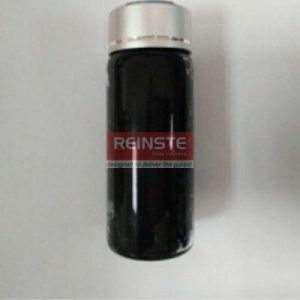
Explore Our Ruthenium Oxide Solutions


Get In Touch With Our Experts
Have questions about water repellent textile finishing agents or want to discuss a custom solution? Our team is ready to assist you.