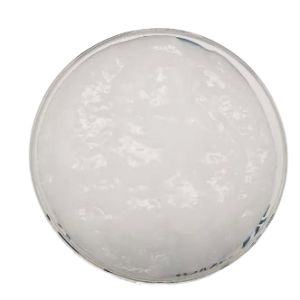
Exploring the Versatility of Sulfonated Cellulose Nanocrystals
Sulfonated Cellulose Nanocrystals (SCNCs) are emerging as a groundbreaking material in nanotechnology, offering a unique combination of sustainability, versatility, and advanced functionality. These advanced cellulose derivatives are derived from cellulose, the most abundant biopolymer on Earth, and modified through sulfonation to enhance their properties and expand their applications. Discover how these versatile cellulose nanomaterials are revolutionizing various industries.
Learn More About Sulfonated CNCs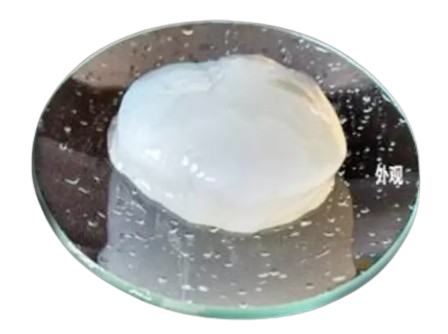
Understanding Sulfonated Cellulose Nanocrystals
Cellulose nanocrystals (CNCs) are rod-like nanoparticles extracted from cellulose fibers. The sulfonation of cellulose process introduces sulfate groups onto the surface of CNCs, resulting in sulfonated cellulose nanocrystals with enhanced stability, dispersibility, and reactivity. This modification unlocks a wide array of cellulose nanocrystals applications, making SCNCs highly sought after in various fields.
Sulfonated cellulose benefits include improved colloidal stability in aqueous solutions, which is crucial for many applications. The sulfonation also imparts a negative charge to the nanocrystals, facilitating their use in electrostatic self-assembly and layer-by-layer deposition techniques. These unique nanocellulose properties make SCNCs ideal for creating advanced materials with tailored functionalities.
Applications of Cellulose Nanocrystals
The applications of cellulose nanocrystals are vast and continue to expand as researchers explore their potential. Here are some key areas where SCNCs are making a significant impact:
- Biomedicine: Nano cellulose in biomedicine includes drug delivery systems, tissue engineering scaffolds, and antimicrobial coatings.
- Composite Materials: Cellulose for composite materials enhances mechanical strength, thermal stability, and barrier properties.
- Coatings and Films: SCNCs improve the performance of coatings by enhancing their durability, adhesion, and optical properties.
- Electronics: As environmentally friendly nanoparticles, SCNCs are used in flexible electronics, sensors, and energy storage devices.
- Cosmetics: SCNCs act as stabilizers, thickeners, and film-forming agents in cosmetic formulations.
Innovative Cellulose Solutions and Nanocrystal Production Techniques
The production of SCNCs involves several nanocystal production techniques, including acid hydrolysis followed by sulfonation. The resulting material exhibits exceptional characteristics, making it suitable for a wide range of applications. The development of sustainable cellulose materials like SCNCs aligns with the growing demand for environmentally friendly alternatives to traditional materials.
Ongoing sulfonated cellulose research focuses on optimizing production methods, enhancing material properties, and exploring new applications. The goal is to fully harness the potential of these versatile cellulose nanomaterials and develop innovative cellulose solutions for various industries.
Why Choose Sulfonated Cellulose Nanocrystals?
SCNCs offer several advantages over other nanomaterials:
- Sustainability: Derived from renewable cellulose sources.
- Biodegradability: Biodegradable cellulose products reduce environmental impact.
- Versatility: Customizable properties for diverse applications.
- Cost-Effectiveness: Abundant raw material and efficient production processes.
These factors make SCNCs an attractive option for companies looking to incorporate sustainable and high-performance materials into their products.
Frequently Asked Questions About Sulfonated Cellulose Nanocrystals
-
What are sulfonated cellulose nanocrystals?
Sulfonated cellulose nanocrystals are rod-shaped nanoparticles derived from cellulose that have been modified with sulfate groups to enhance their stability and dispersibility in water.
-
What are the primary applications of SCNCs?
SCNCs are used in biomedicine, composite materials, coatings, electronics, and cosmetics, among other fields.
-
Are SCNCs environmentally friendly?
Yes, SCNCs are derived from renewable cellulose sources and are biodegradable, making them an environmentally sustainable material.
-
How are SCNCs produced?
SCNCs are typically produced through acid hydrolysis of cellulose fibers followed by sulfonation to introduce sulfate groups.
-
What are the benefits of using SCNCs in composite materials?
SCNCs enhance the mechanical strength, thermal stability, and barrier properties of composite materials.
Ready to Explore the Potential of Sulfonated Cellulose Nanocrystals?
Contact us today to learn more about how SCNCs can benefit your products and applications. Discover the innovative cellulose solutions that Reinstè Nanoventures offers.
Explore SCNC SolutionsRelated Products
-

Anionic Modified Nanocellulose
-
Bacterial Cellulose Dispersion: Advanced Material for Diverse Applications
-
Bacterial cellulose film
-
BC series (Bacterial Cellulose); BNC series (Bacterial Nanocellulose)
-
Carboxylated Modified Cellulose Nanocrystals (C-CNCs)
-
Cellulose nanocrystals (CNCs)
-
CNC series (Cellulose Nanocrystals) or NCC series (Nanocrystalline Cellulose)
-
CNF series (Cellulose Nanofibrils) or NFC series (nano fibrillated cellulose) or MFC series (micro fibrillated cellulose)