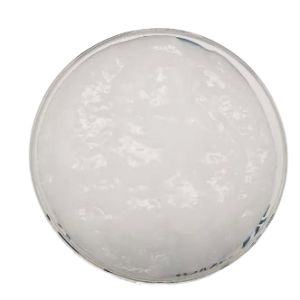
Nano Fibrillated Cellulose (NFC) is revolutionizing various industries with its unique properties and sustainable nature. This article delves into the characteristics of nano fibrillated cellulose, its diverse nano fibrillated cellulose applications, and the future of this remarkable material.
Explore NFC Solutions
The exceptional NFC properties in materials make it a versatile additive in various applications. Its high strength, stiffness, and large surface area contribute to enhanced mechanical and barrier properties in composites, films, and coatings. Understanding these characteristics of nano fibrillated cellulose is crucial for optimizing its use.
The nano cellulose benefits in packaging are gaining significant attention due to the increasing demand for eco-friendly packaging solutions NFC. NFC offers improved strength, barrier properties, and biodegradability, making it an ideal alternative to traditional plastics. This contributes to more sustainable and environmentally responsible packaging solutions.
The uses of nano cellulose in composites are extensive, ranging from automotive parts to construction materials. Nano cellulose reinforcement in plastics enhances the strength and durability of these composites, leading to lighter and more sustainable products. This is particularly relevant in industries seeking to reduce their environmental footprint.
The application of nano cellulose in food industry is an emerging field with potential for creating novel food products and packaging. NFC can be used as a food additive to improve texture, stability, and shelf life. Its biocompatibility and non-toxicity make it a safe and sustainable option for various food-related applications.
NFC stands out as one of the most promising sustainable materials using NFC. Derived from renewable resources like wood pulp, it offers a biodegradable and compostable alternative to petroleum-based materials. Its use promotes circular economy principles and reduces reliance on fossil fuels.
Various nano cellulose production methods exist, each influencing the properties and cost-effectiveness of the final product. These methods include mechanical, chemical, and enzymatic processes. Selecting the appropriate method is crucial for tailoring NFC to specific applications.
The biocompatibility and unique properties of NFC make it suitable for NFC in biomedical applications. It can be used in drug delivery systems, wound healing, and tissue engineering. Its ability to form hydrogels and scaffolds provides a conducive environment for cell growth and tissue regeneration.
Understanding the properties of nano cellulose fibers is essential for optimizing their use in various applications. These properties include high tensile strength, high surface area, and excellent film-forming ability. These characteristics contribute to the superior performance of NFC in composites, coatings, and other materials.
The incorporation of nano cellulose in construction materials offers several advantages, including increased strength, durability, and sustainability. NFC can be used to reinforce concrete, improve the performance of insulation materials, and create more eco-friendly building products. This contributes to more sustainable and resilient infrastructure.
As the demand for sustainable packaging grows, eco-friendly packaging solutions NFC are becoming increasingly important. NFC offers a biodegradable and compostable alternative to traditional plastics, reducing environmental impact and promoting a circular economy. Its use aligns with consumer preferences for environmentally responsible products.
While both are derived from cellulose, nano cellulose vs micro cellulose differ significantly in their properties and applications. Nano cellulose exhibits superior strength, higher surface area, and better dispersibility compared to micro cellulose. These differences make nano cellulose more suitable for high-performance applications.
The non-toxic and biocompatible nature of NFC makes it an attractive ingredient for NFC in skincare products. It can be used as a thickening agent, stabilizer, and film former in creams, lotions, and masks. Its ability to retain moisture and provide a smooth texture enhances the performance of skincare formulations.
The high surface area and porous structure of NFC make it an effective material for nano cellulose for water filtration. It can be used to remove contaminants, bacteria, and viruses from water, providing clean and safe drinking water. Its sustainable nature and low cost make it an attractive alternative to traditional filtration methods.
The key characteristics of nano fibrillated cellulose include its high tensile strength, high surface area, excellent film-forming ability, and biocompatibility. These properties make it a versatile material for a wide range of applications, from composites to biomedical devices.
Adding nano cellulose reinforcement in plastics significantly enhances their mechanical properties, such as strength and stiffness. This allows for the production of lighter and more durable plastic products, reducing material consumption and environmental impact.
The potential of NFC in renewable energy is being explored for applications such as solar cells and energy storage devices. Its high surface area and conductivity make it a promising material for improving the performance and sustainability of these technologies.
Ongoing nano cellulose research developments are focused on improving production methods, exploring new applications, and enhancing the properties of NFC. These efforts aim to unlock the full potential of this remarkable material and drive its widespread adoption across various industries.
The use of nano cellulose in textile industry offers several benefits, including improved strength, wrinkle resistance, and antimicrobial properties. NFC can be applied as a coating or incorporated into textile fibers to enhance their performance and durability.
The future of nano fibrillated cellulose is bright, with ongoing research and development paving the way for new and innovative applications. As production costs decrease and awareness of its benefits grows, NFC is poised to become a key material in a wide range of industries, contributing to a more sustainable and circular economy.