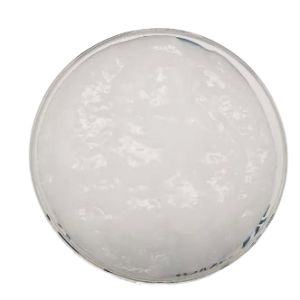
Bacterial Cellulose: A Sustainable Material for the Future
Discover how bacterial cellulose, a breakthrough in microbial cellulose production, is rapidly transforming industries and leading the movement toward biodegradable and sustainable materials. With superior properties and diverse applications—spanning packaging, medicine, food, cosmetics, and textiles—bacterial cellulose and its nano cellulose derivatives represent a clean, efficient, and eco-friendly future.
Explore Bacterial Nanocellulose Series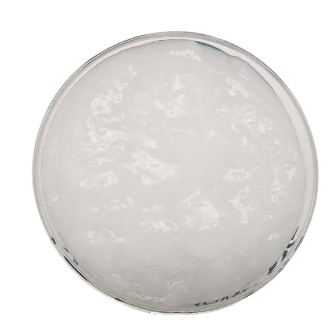
Bacterial Cellulose: The Next Generation of Sustainable Materials
Bacterial cellulose is a natural polymer produced through the microbial cellulose production process, primarily by Acetobacter and related bacteria. Unlike plant cellulose, bacterial cellulose is ultra-pure, free of lignin and hemicellulose, and forms a nanoscale fibrous network. This unique structural characteristic translates into remarkable mechanical strength, outstanding water-holding capacity, and exceptional biocompatibility, enabling a wide spectrum of innovative bacterial cellulose applications.
Bacterial Cellulose vs Plant Cellulose
- Purity: Bacterial cellulose is devoid of impurities like lignin, making it ideal for biomedical, food, and electronics uses, whereas plant cellulose requires intensive processing to remove such components.
- Nano-structure: Bacterial cellulose naturally forms nano cellulose fibrils, delivering unique advantages in strength, flexibility, and transparency—superior in performance to most plant-derived cellulose.
- Sustainability: Sourced via fermentation, bacterial cellulose is produced through a low-resource, low-waste process, making it a supreme example of sustainable materials in packaging and beyond.
How to Produce Bacterial Cellulose: Manufacturing & Technologies
The bacterial cellulose manufacturing process harnesses selected microbial strains—most commonly Komagataeibacter xylinus—in a controlled fermentation environment. Using renewable substrates like glucose or agricultural waste, these bacteria synthesize cellulose extracellularly. Modern nano cellulose technologies optimize conditions (pH, aeration, agitation) to maximize yield and tailor properties for uses in food, medicine, packaging, and more.
Key Steps
- Fermentation: Bacterial cells are cultured in specialized reactors using eco-friendly media.
- Separation & Purification: The cellulose mat is collected and purified to eliminate microbial residues, resulting in ultra-pure bacterial cellulose.
- Modification (Optional): Nanofibrillation and blending with other materials create bacterial cellulose composites, further unlocking advanced nano cellulose applications.
This process produces a sustainable, high-quality material at scale. Industrial adoption of microbial cellulose production is enabling revolutionary green solutions across supply chains.
Bacterial Cellulose Properties: Unique Advantages and Benefits
- High tensile strength & flexibility (essential in bacterial cellulose for textiles and wound care)
- Biodegradable & compostable—model biodegradable cellulose materials
- Non-toxic, hypoallergenic, and high purity—ideal for bacterial cellulose in cosmetics and nano cellulose in medicine
- Superb water retention and breathable
- Potential for nano cellulose advantages such as transparency, tunable porosity, and conductivity through composites
These unmatched bacterial cellulose benefits generate new value propositions in both mature and emerging markets.
Major Applications & Trends for Bacterial and Nano Cellulose
Sustainable Packaging & Bioplastics
Bacterial cellulose composites are being utilized as sustainable materials in packaging, reducing reliance on petroleum-based plastics. Start-ups and global brands integrate bacterial cellulose in bioplastics for food trays, films, and flexible pouches—a milestone for the circular economy.
Food Applications
Due to purity and edema properties, bacterial cellulose food applications include low-calorie gelling agents, edible films, and even vegan meat textures. Major food innovation labs leverage nano cellulose for improved texture, shelf-life, and sensory profiles.
Cosmetics & Personal Care
Bacterial cellulose in cosmetics is revolutionizing face masks, wound dressings, and skincare patches owing to its hypoallergenic and dehydration-preventing nature. Recent launches feature cellulose-based products for anti-aging and acne recovery.
Medical & Tissue Engineering
Nano cellulose in medicine marks a paradigm shift: bacterial cellulose’s biocompatibility, porosity, and non-toxicity fuel its adoption for wound healing, artificial skin, implants, and drug delivery. Clinical research demonstrates improved regeneration and faster patient recovery.
Textiles and Electronics
Bacterial cellulose for textiles ensures eco-friendly, robust, and breathable fabrics. Emerging research explores conductive cellulose composites for wearable sensors and flexible electronics—showcasing the broader reach of nano cellulose technologies.
Recent Bacterial Cellulose Research Trends & Market Outlook
- Advanced 3D-bioprinting with nano cellulose hydrogels for organ and tissue models
- Smart packaging integrating biosensors and antimicrobial agents for food safety
- Eco-composites blending bacterial cellulose with biopolymers, enabling fully biodegradable cellulose materials
- Upcycling of agricultural waste for cost-effective microbial cellulose production
- Expansion of regulatory approvals for food and healthcare uses
The synergy between bacterial cellulose research trends and industry needs is projected to drive escalating investments and new product launches, building a sustainable future for generations ahead.
FAQs on Bacterial & Nano Cellulose
What makes bacterial cellulose more sustainable than plant cellulose?
Bacterial cellulose is synthesized through microbial fermentation, using less water and energy compared to plant cellulose processing. Its high purity reduces chemical treatments, and its production can utilize renewable agricultural by-products, directly supporting zero-waste and circular economy goals.
What are the primary uses of bacterial cellulose and nano cellulose?
The main applications include sustainable packaging, functional food ingredients, wound healing biomaterials, high-performance textiles, electronics, and cosmetics. Nano cellulose technologies further enable innovation in flexible displays, bioplastics, and tissue engineering.
How is bacterial cellulose manufactured at scale?
Industrial-scale bacterial cellulose manufacturing processes use controlled fermentation tanks. Optimal conditions (temperature, pH, oxygen supply) ensure high yields, with post-processing steps to purify and, if needed, modify the cellulose for specific end-uses.
Is bacterial cellulose safe for food and medical use?
Yes, due to its biocompatibility, non-toxicity, and allergen-free nature, bacterial cellulose is widely regarded as safe and is already approved in several countries for both food and medical applications.
How do bacterial cellulose composites support sustainability in packaging?
Bacterial cellulose composites are fully biodegradable, reduce plastic dependence, and can be engineered for strength, barrier, and flexibility—offering environmentally responsible alternatives in packaging while maintaining performance.
Discover Product Solutions
-

Anionic Modified Nanocellulose
-
Bacterial Cellulose Dispersion: Advanced Material for Diverse Applications
-
Bacterial cellulose film
-
BC series (Bacterial Cellulose); BNC series (Bacterial Nanocellulose)
-
Carboxylated Modified Cellulose Nanocrystals (C-CNCs)
-
Cellulose nanocrystals (CNCs)
-
CNC series (Cellulose Nanocrystals) or NCC series (Nanocrystalline Cellulose)
-
CNF series (Cellulose Nanofibrils) or NFC series (nano fibrillated cellulose) or MFC series (micro fibrillated cellulose)