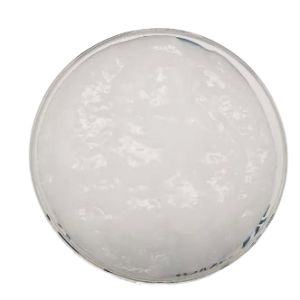
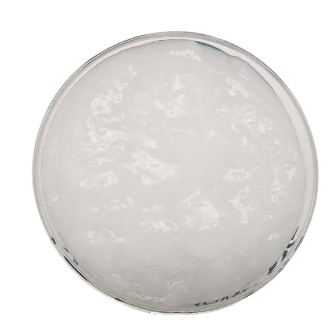
Bacterial cellulose is a naturally occurring biopolymer produced by certain bacteria, notably Komagataeibacter xylinus. Unlike plant cellulose, bacterial cellulose is free from impurities such as lignin and hemicellulose, giving it remarkable purity, structure, and performance. Its nanofibril network offers impressive mechanical strength, water retention, and biocompatibility—qualities that underpin its rapidly expanding industrial, food, packaging, and medical uses.
Major bacterial cellulose applications depend on its unique properties like high crystallinity, porosity, high tensile strength, non-toxicity, biodegradability, and the ability to form gels and films. As industries seek sustainable alternatives, bacterial cellulose’s eco-friendly profile is reshaping market trends worldwide.
Bacterial cellulose is graded based on production purity, structural integrity, fiber dimensions, and suitability for fermentation, biomedical or industrial uses. Main grades include:
Hiyka offers a comprehensive portfolio of nano cellulose and bacterial cellulose products tailored for research, industry, food, and healthcare. Explore our top innovations designed for quality, sustainability, and performance: