
Cellulose nanofibrils (CNF) are revolutionizing the world of advanced materials science by offering unrivaled strength, exceptional sustainability, and outstanding versatility. Harnessed from renewable plant resources, these nano-scale fibers are unlocking a new era of industrial innovation. In this comprehensive guide, we explore the diverse applications of CNF in industries such as sustainable packaging, textiles, construction, pharmaceuticals, and more—while highlighting their environmental impact and future potential.
Discover CNF Solutions
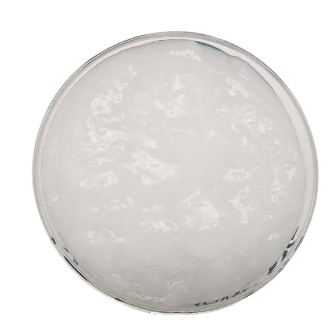
Cellulose nanofibrils are ultra-fine fibers derived from cellulose, the most abundant organic polymer found in nature. Sourced primarily from wood pulp and other plant matter, CNF exhibits remarkable mechanical strength and is characterized by a high aspect ratio, large surface area, and excellent flexibility. Leveraging these nanocellulose properties, industries are creating high-performance, biodegradable nanomaterials that meet strict environmental and sustainability benchmarks.
The development and research on cellulose nanofibrils have propelled the demand for cost-effective nanocellulose usage in numerous sectors, where their exceptional properties are leveraged for a growing array of advanced applications.
With a surge in demand for biodegradable nanomaterials, cellulose nanofibrils in packaging are gaining momentum as alternatives to conventional plastics. CNF-based films and coatings are increasingly used for food packaging, offering compostability and extending product shelf life by serving as potent oxygen and grease barriers. Leading multinational companies have introduced CNF packaging to reduce plastic waste and enhance sustainability initiatives.
Innovations in CNF technology are transforming construction. When added to concrete or composites, cellulose nanofibrils for reinforcement significantly boost tensile strength, reduce cracking, and improve durability. This application has been recognized for eco-friendly building materials, contributing to the development of sustainable cities.
Modern textiles increasingly integrate cellulose nanofibrils in textiles to achieve lightweight, breathable, and robust fabrics. These materials deliver exceptional mechanical properties while ensuring environmental impact of CNF is minimal—making them ideal for fashion, medical, and industrial applications.
Nano cellulose in pharmaceuticals serves as a superior excipient, improving tablet binding and controlled-release drug delivery. It is also explored in wound dressings, tissue engineering, and as carriers for bioactive compounds, thanks to its biocompatibility and non-toxicity. Breakthroughs continue in drug delivery systems utilizing cellulose nanofibrils and health benefits due to their natural origin and tailored functionality.
In the march towards renewable energy, cellulose nanofibrils in energy technologies are being explored as separators in batteries, electrolyte additives, and components for supercapacitors. Their lightweight and strong characteristics enhance both performance and environmental safety. Research on cellulose nanofibrils has also opened new avenues for next-generation batteries and electronic devices.
Cellulose nanofibrils in the food industry are used to improve the texture, stability, and nutritional profile of products. They function as stabilizers and thickeners in foods and beverages, and act as safe, natural carriers for flavors or active compounds owing to their inertness and biodegradability.
The future of nanocellulose, especially cellulose derived nanomaterials, calls for ever-greater innovation. As R&D progresses, new cost-effective nanocellulose usage models are continually emerging, further reducing environmental burdens across industry verticals. Ongoing research on cellulose nanofibrils focuses on scalability, improved processing, and the discovery of unique functionalities to fit advanced market needs.
With widespread adoption in energy, health, sustainable materials, and consumer products, CNF is positioned to drive green innovation and deliver next-generation performance across the globe.




If you're interested in adopting cellulose nanofibrils for your next project or need a custom solution, reach out to our experts today.