
Goat Anti-Rabbit Secondary Antibodies: Gold Nanoparticle Applications
In the dynamic world of biological research and diagnostics, the demand for highly sensitive and specific detection methods is ever-growing. Among the myriad of innovations, the conjugation of Goat anti-rabbit antibodies with advanced Gold nanoparticle applications stands out as a transformative approach. This article delves into how these sophisticated conjugates are revolutionizing immunoassays, offering unparalleled precision and signal amplification for a wide array of experimental and diagnostic needs. Discover the profound impact of Gold nanoparticle technology in enhancing detection capabilities and the critical role of stabilizing agents like Phosphonic acid derivatives in biochemistry.
Explore Our Gold Nanoparticle Conjugates
Understanding Secondary Antibodies and Gold Nanoparticle Technology
At the heart of many immunological assays lies the principle of antibody-antigen recognition. Primary antibodies bind to specific targets, and then secondary antibodies, labeled with a detectable marker, bind to the primary antibodies, enabling visualization or quantification. For researchers, the choice of secondary antibodies for research is paramount, and Goat anti-rabbit antibodies are a widely utilized class due to their robust specificity against rabbit primary antibodies.
Traditionally, secondary antibodies have been conjugated with enzymes (like HRP or AP) or fluorophores. However, the emergence of Gold nanoparticle technology has ushered in a new era of detection. Gold nanoparticles possess unique optical properties, including surface plasmon resonance, which allows for strong light scattering and absorption. When used as labels, they provide a highly visible and stable signal, making them ideal for a range of bioanalytical applications. These innovations in antibody labeling offer significant advantages in terms of sensitivity and direct visualization without the need for enzymatic substrates or complex instrumentation.
The synergy between Goat anti-rabbit antibodies and gold nanoparticles creates highly efficient detection probes. These Rabbit antibody conjugates are designed to offer superior performance in various immunoassay formats, translating to more reliable and accurate results in scientific investigations and clinical diagnostics. The inherent stability and high electron density of gold nanoparticles further contribute to their utility, especially in electron microscopy applications where traditional labels might fall short.
The Synergistic Power: Goat Anti-Rabbit Antibodies and Gold Labels
The combination of Goat anti-rabbit antibodies with gold nanoparticles represents a powerful advancement in biological detection. Goat antibodies, generated by immunizing goats with rabbit immunoglobulins, are highly specific for rabbit primary antibodies. This specificity is crucial for minimizing non-specific binding and ensuring accurate detection of the target antigen. When these highly specific antibodies are conjugated with gold nanoparticles, they form potent probes capable of delivering amplified signals.
The conjugation process for creating Rabbit antibody conjugates with gold nanoparticles is a sophisticated procedure that requires careful control to maintain the antibody's activity and the nanoparticle's stability. Various methods, including passive adsorption, covalent coupling via linkers, and affinity binding, are employed. The goal is to achieve a stable and functional conjugate where the gold nanoparticle serves as a highly visible reporter tag.
The benefits of using Goat antibodies and gold labels are manifold. Gold nanoparticles provide a high signal-to-noise ratio due to their strong light-scattering properties, allowing for the detection of very low concentrations of analytes. Their stability ensures a longer shelf-life for the conjugates and more consistent results across experiments. Furthermore, the ability to control the size and shape of gold nanoparticles offers opportunities for tuning their optical properties, leading to customized detection solutions. This synergy is a cornerstone of many advanced immunoassays enhancement techniques, pushing the boundaries of what's detectable in complex biological samples.
Enhancing Immunoassays with Gold Nanoparticles in Immunology
The integration of Gold nanoparticles in immunology has profoundly impacted the sensitivity and efficiency of various immunoassay platforms. Their unique characteristics make them superior alternatives to conventional organic dyes or enzymatic reporters in many scenarios. For instance, in visual detection systems, gold nanoparticles produce a distinct red color, easily observable by the naked eye, eliminating the need for expensive detection equipment. This makes them invaluable for point-of-care diagnostics and rapid screening methods.
The enhanced signal amplification provided by gold nanoparticles is a game-changer for immunoassays enhancement techniques. Each gold nanoparticle can carry multiple antibody molecules, and its large surface area allows for the binding of numerous reporter enzymes or fluorescent molecules in secondary amplification strategies, further boosting the signal. This multi-labeling capacity leads to significantly lower limits of detection, crucial for identifying biomarkers present in minute quantities, such as early disease markers or trace contaminants.
A critical factor for the success of any nanoparticle-based assay is Nanoparticle stability in assays. Aggregation of nanoparticles can lead to reduced sensitivity, increased background, and inconsistent results. Therefore, careful surface modification and stabilization strategies are employed to ensure that the gold nanoparticles remain monodispersed and retain their optical properties throughout the assay procedure. This stability is fundamental to the reliability and reproducibility of all Gold-based assays, from research-grade experiments to high-throughput clinical applications. The robust nature of these conjugates ensures that the specific interaction between the Goat anti-rabbit antibodies and the primary target is effectively translated into a detectable signal.
Recent Major Gold Nanoparticle Applications in Biological Systems
The versatility of Gold nanoparticle applications extends across numerous fields, particularly within biological and diagnostic sciences. Their unique properties make them indispensable tools for researchers and clinicians seeking highly sensitive and rapid detection methods. Here are some of the recent major applications where gold nanoparticle-conjugated Goat anti-rabbit antibodies are making a significant impact:
Rapid Diagnostic Tests (RDTs) and Lateral Flow Assays (LFAs)
Perhaps one of the most widespread and impactful Gold nanoparticle applications is in RDTs, commonly known as lateral flow assays. These include home pregnancy tests, rapid COVID-19 tests, and various infectious disease diagnostics. Here, gold nanoparticle-conjugated secondary antibodies (often Rabbit antibody conjugates or similar) are used as visual tags. When the target analyte is present, it forms a sandwich complex with the primary and secondary antibodies, leading to the accumulation of gold nanoparticles at a specific test line, producing a visible colored band. This application leverages the strong visual signal of gold nanoparticles for quick, qualitative, and semi-quantitative results at the point of care, significantly impacting global health initiatives by providing accessible diagnostic tools.
Immunohistochemistry (IHC) and Immunocytochemistry (ICC)
In pathology and cell biology, Goat anti-rabbit antibodies labeled with gold nanoparticles offer high-resolution visualization of specific antigens within tissue sections or cells. Unlike traditional enzyme-based methods that rely on chromogenic reactions, gold nanoparticles provide a direct, electron-dense label visible under electron microscopy (immuno-EM), allowing for subcellular localization with unprecedented detail. For light microscopy, silver enhancement techniques can be employed, where silver ions are deposited onto the gold nanoparticles, amplifying the signal into a visible black precipitate. This makes secondary antibody usage in labs for IHC/ICC more precise and powerful, especially in cancer research and neuroscience for mapping protein expression.
Western Blotting and Dot Blots
For protein detection and characterization, gold nanoparticle-conjugated secondary antibodies are increasingly used in Western blotting. They offer superior sensitivity compared to many chemiluminescent or chromogenic substrates, especially for detecting low-abundance proteins. The direct visual signal or subsequent silver enhancement allows for clear and stable bands on membranes, simplifying the detection process. This is a prime example of how Gold nanoparticles in biological applications enhance fundamental laboratory techniques, providing robust and reliable results for protein analysis.
ELISA (Enzyme-Linked Immunosorbent Assay) Enhancement
While traditional ELISA often uses enzyme-conjugated antibodies, the incorporation of gold nanoparticles can significantly boost sensitivity. In a typical ELISA format, gold nanoparticle-conjugated Goat anti-rabbit antibodies can serve as the detection antibody. The signal can then be read directly via spectrophotometry (due to gold's absorbance) or further amplified using silver enhancement, leading to picogram-level detection limits. This demonstrates advanced immunoassays enhancement techniques, making ELISA more powerful for diagnosing diseases or monitoring therapeutic drug levels.
Biosensing and Diagnostics Beyond LFAs
Beyond simple lateral flow, Gold nanoparticles in diagnostics are integral to sophisticated biosensors. Their large surface area allows for immobilization of a high density of antibodies, and their electrical and optical properties change upon molecular binding, enabling label-free or highly sensitive detection. For instance, electrochemical biosensors utilize gold nanoparticles to enhance signal transduction, while surface plasmon resonance (SPR) biosensors leverage their optical properties for real-time, label-free interaction analysis. This broadens the scope of Applications of goat antibodies in cutting-edge diagnostic platforms.
These diverse applications underscore the transformative impact of Gold nanoparticle technology when combined with highly specific Goat anti-rabbit antibodies. The continuous research on phosphonic acid derivatives and other stabilizing agents further refines these conjugates, ensuring their widespread utility and robust performance across a spectrum of biological assays.
The Critical Role of Phosphonic Acid Derivatives in Gold Nanoparticle Stability and Functionality
While gold nanoparticles offer remarkable advantages, their inherent stability in complex biological matrices can be a challenge. Naked gold nanoparticles are prone to aggregation, which can lead to a loss of their unique optical properties and reduced assay performance. This is where the strategic application of surface chemistry, particularly involving Phosphonic acid derivatives in biochemistry, becomes paramount. These compounds play a pivotal role in ensuring Nanoparticle stability in assays and optimizing their functionality for conjugation with biomolecules like antibodies.
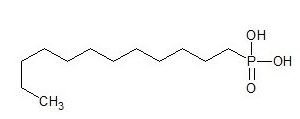
Phosphonic acid derivatives are organic molecules containing one or more phosphonic acid groups (-PO(OH)2). These groups have a strong affinity for metal oxides and metal surfaces, including gold. When applied to gold nanoparticles, they form robust, self-assembled monolayers on the particle surface. This protective layer provides several crucial Phosphonic acid derivatives benefits:
- Enhanced Stability: The phosphonic acid groups bind strongly to the gold surface, creating a steric or electrostatic barrier that prevents the nanoparticles from aggregating in solutions with varying pH, ionic strength, or in the presence of biological components like proteins. This is critical for maintaining the integrity and performance of the Gold nanoparticles in biological applications over time.
- Biocompatibility: Properly designed phosphonic acid derivatives can render the gold nanoparticles highly biocompatible, reducing non-specific binding of other biological molecules and ensuring that the antibody specificity and gold nanoparticles conjugate effectively and function optimally within complex biological samples.
- Functionalization Handle: Many phosphonic acid derivatives can be synthesized with additional functional groups (e.g., amines, carboxyls, thiols) at their free end. These functional groups serve as convenient attachment points for conjugating antibodies, peptides, or other biomolecules. This provides a versatile platform for creating stable Rabbit antibody conjugates or other specific probes.
- Control Over Surface Charge: By selecting specific phosphonic acid derivatives, researchers can precisely control the surface charge of the gold nanoparticles, which can influence their interaction with target molecules and their behavior in various assay environments, further contributing to reliable Gold-based assays.
Ongoing Research on phosphonic acid derivatives continues to explore novel structures and chemistries to further improve the stability, targeting capabilities, and overall performance of gold nanoparticle conjugates. Their integration has solidified the reliability of Phosphonic acid derivatives in diagnostics, particularly in advanced immunoassay development where long-term stability and consistent performance are non-negotiable. This highlights a crucial underlying technology that ensures the success of sophisticated Gold nanoparticle applications in a myriad of scientific and clinical settings.
The Future of Antibody Specificity and Gold Nanoparticles
The landscape of biomedical research is continuously evolving, and the partnership between highly specific antibodies and advanced nanomaterials like gold nanoparticles is at the forefront of these advancements. The pursuit of even greater Antibody specificity and gold nanoparticles is a key driver for future innovations. This involves developing new conjugation chemistries that preserve antibody function while ensuring robust attachment to the gold surface, as well as engineering nanoparticles with tailored sizes and shapes for optimal performance in specific assays.
Future directions in Innovations in antibody labeling will likely focus on multi-modal nanoparticles that combine the optical properties of gold with other functionalities, such as magnetic properties for separation or therapeutic drug delivery capabilities. This would expand the role of Gold nanoparticles in biological applications beyond just detection, moving towards integrated diagnostic and therapeutic (theranostic) platforms.
Furthermore, automation and miniaturization of Gold-based assays will continue to be a significant trend, allowing for high-throughput screening and point-of-care diagnostics that are more accessible and cost-effective. The continued refinement of Secondary antibody usage in labs, particularly with gold nanoparticle labels, will contribute significantly to more efficient and reliable research outcomes. As our understanding of nanoscale interactions deepens, so too will the potential of these powerful conjugates to unlock new discoveries and improve human health.
The ongoing synergy between immunology, nanotechnology, and materials science, particularly the advancements in Research on phosphonic acid derivatives for enhanced stability, promises a future where diagnostics are faster, more accurate, and more widely available, ultimately accelerating scientific progress and clinical decision-making.
Ready to Advance Your Research?
Unlock the full potential of your immunoassays with high-quality Goat Anti-Rabbit Secondary Antibodies conjugated with Gold Nanoparticles. Our products are designed for superior sensitivity and stability, ensuring reliable results for your most critical experiments.
Discover Our Gold Nanoparticle SolutionsFrequently Asked Questions (FAQs)
Related Products
-
Sale!

n-Alkylphosphonic acids, kit – 7 x 5g
Original price was: ₹165,000.00.₹19,690.00Current price is: ₹19,690.00. -
Sale!

n-Decylphosphonic Acid
Original price was: ₹28,490.00.₹10,890.00Current price is: ₹10,890.00. -
Sale!

n-Dodecylphosphonic Acid
Original price was: ₹27,400.00.₹18,290.00Current price is: ₹18,290.00. -
Sale!

n-Hexadecylphosphonic Acid
Original price was: ₹29,840.00.₹19,890.00Current price is: ₹19,890.00. -
Sale!

n-Hexylphosphonic Acid
Original price was: ₹31,500.00.₹20,700.00Current price is: ₹20,700.00. -
Sale!

n-Octadecylphosphonic Acid
Original price was: ₹33,470.00.₹21,700.00Current price is: ₹21,700.00. -
Sale!

n-Octylphosphonic Acid
Original price was: ₹31,500.00.₹20,700.00Current price is: ₹20,700.00. -
Sale!

n-Tetradecylphosphonic Acid
Original price was: ₹30,300.00.₹20,200.00Current price is: ₹20,200.00.




Contact Us
Have questions or need assistance with your research? Reach out to our experts.