
Silver Antibacterial Fibers: The Future of Activewear
In the dynamic world of sportswear, innovation is constant. Athletes and fitness enthusiasts demand more than just comfort; they seek performance, durability, and hygiene. Enter silver antibacterial fibers in activewear – a groundbreaking technology poised to revolutionize how we experience workout clothing. These advanced textiles harness the natural power of silver to combat odor-causing bacteria, offering a fresh, hygienic, and high-performance solution for every active individual. This article delves deep into the fascinating world of silver-infused fabrics, exploring their benefits, mechanisms, applications, and their significant impact on the future of athletic apparel. Prepare to discover why your next piece of activewear might just be woven with silver.
Understanding Silver Antibacterial Fibers: A Revolution in Textiles
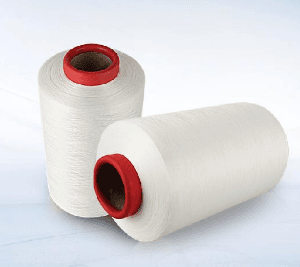
At its core, silver antibacterial fibers are engineered textiles that incorporate microscopic particles of silver, often at a nanoscale, directly into the fabric's structure. This isn't a mere coating that washes off; rather, the silver is intrinsically bound, ensuring long-lasting efficacy. The primary purpose of these fibers is to leverage silver's well-documented antimicrobial properties to inhibit the growth of bacteria, fungi, and other microorganisms that thrive in moist, warm environments – precisely the conditions found in activewear during intense physical activity. This innovation marks a significant leap from traditional fabrics, which often become breeding grounds for bacteria, leading to unpleasant odors and potential skin irritations. The integration of silver transforms activewear from a simple garment into a protective layer, enhancing hygiene and comfort for the wearer.
The development of silver fiber technology in sportswear stems from decades of research into antimicrobial textiles. Early attempts involved topical treatments, but these often had limited durability. Modern techniques, however, embed silver at the polymer level or co-extrude it with synthetic fibers, creating a permanent solution. This permanence is crucial for the longevity and sustained performance of the activewear, ensuring that the antibacterial benefits don't diminish after a few washes. As consumers become increasingly aware of hygiene and sustainability, the demand for such advanced materials is skyrocketing, positioning silver fibers at the forefront of textile innovation.
The Science Behind Silver's Power: How Silver Antibacterial Fibers Work
The effectiveness of silver antibacterial fibers lies in the unique properties of silver ions (Ag+). When silver comes into contact with moisture, such as sweat, it releases these positively charged ions. These silver ions then actively seek out and disrupt the cellular structure of bacteria and fungi in several ways, making them a formidable adversary for microorganisms. Firstly, silver ions bind to the cell walls of bacteria, interfering with their permeability and leading to structural damage. This compromises the cell's integrity, preventing it from carrying out essential functions.
Secondly, silver ions penetrate the bacterial cell and interfere with its metabolic processes. They disrupt enzyme systems responsible for energy production and nutrient transport, effectively starving the bacteria. Thirdly, and perhaps most crucially for antibacterial properties of silver in textiles, silver ions bind to the DNA of bacteria, preventing replication and reproduction. This means that even if some bacteria survive the initial attack, they cannot multiply, thus preventing the rapid proliferation that causes odor. This multi-pronged attack ensures comprehensive microbial control, which is vital for maintaining freshness in workout clothing. The mechanism is highly efficient, requiring only minute amounts of silver to achieve significant antibacterial effects, making it safe for prolonged skin contact.
Unrivaled Benefits for Athletes: Why Silver Fibers Stand Out
For athletes and anyone leading an active lifestyle, the benefits of silver fibers for athletes are truly transformative. The most immediate and noticeable advantage is superior silver fibers for odor control in clothing. Sweat itself is odorless, but bacteria on the skin break down sweat components, producing foul smells. By inhibiting bacterial growth, silver-infused activewear dramatically reduces and often eliminates odor, keeping athletes feeling fresh and confident throughout their toughest workouts and beyond. This translates into less frequent washing, extending the lifespan of garments and saving water and energy.
Beyond odor control, performance benefits of silver fibers are significant. Many silver fiber fabrics are engineered to be highly breathable and incorporate moisture-wicking silver fibers. This combination ensures that sweat is quickly drawn away from the skin and evaporated, helping to regulate body temperature and prevent chafing. The enhanced hygiene offered by silver-infused activewear for hygiene also contributes to better skin health. By reducing bacterial populations on the fabric, silver fibers minimize the risk of skin irritations, rashes, and infections that can arise from prolonged contact with sweat-soaked, bacteria-laden clothing. This makes silver fibers for skin health a critical consideration for those with sensitive skin or prone to breakouts.
The durability and longevity of activewear are also enhanced. Since bacterial degradation of fabrics is reduced, garments retain their structural integrity and aesthetic appeal for longer. Furthermore, the inherent antibacterial property means no chemical washes or sprays are needed to maintain hygiene, aligning with a more natural and less chemical-dependent approach to sportswear care. This comprehensive suite of benefits positions silver fiber activewear as a superior choice for anyone serious about their fitness and well-being.
Beyond Odor: Major Applications and Innovations
The application of silver antibacterial fibers extends far beyond just basic odor control. These advanced materials are being integrated into a wide range of activewear products, redefining what's possible in athletic apparel. When considering the best activewear with silver fibers, look for items like performance base layers, running shirts, yoga pants, socks, and even specialized compression gear. Companies are leveraging activewear innovations with silver fibers to create entire lines of apparel designed for high-intensity sports, ensuring athletes remain comfortable and hygienic during marathons, cycling events, and rigorous training sessions.
Recent trends in activewear with silver fibers show a strong move towards seamless designs and smart textiles that combine silver with other functional elements like compression zones or reflective elements for safety. For instance, high-performance socks infused with silver are a game-changer for runners, preventing athlete's foot and keeping feet dry and fresh. Similarly, silver-infused t-shirts and shorts are becoming staples in gym bags, offering a reliable solution for those who transition directly from a workout to other activities without time for a shower. The versatility of silver fibers in workout clothing means they are suitable for nearly any sport or activity where sweat and bacteria are a concern, from casual walks to professional athletic competitions.
Beyond traditional activewear, silver fiber technology is also finding its way into medical textiles, bedding, and even everyday clothing, highlighting its broad applicability and effectiveness in creating more hygienic environments. This cross-industry adoption underscores the robust and reliable nature of silver as an antimicrobial agent in fabric form.
Silver Fibers vs. Traditional Fibers: A Clear Advantage
When comparing silver fibers vs traditional fibers like cotton, polyester, or nylon, the advantages become strikingly clear. Traditional cotton, while breathable, absorbs moisture and dries slowly, creating an ideal breeding ground for bacteria and leading to persistent odors and discomfort. Synthetic fibers like polyester and nylon are excellent at wicking moisture but often struggle with odor retention because their smooth surfaces can still harbor bacteria, leading to a phenomenon known as "permastink" in older garments.
Silver fibers overcome these limitations by actively neutralizing bacteria at the source. Unlike traditional fabrics that merely manage moisture or provide a surface for microbial growth, silver-infused textiles offer a proactive defense. This means activewear stays fresh for longer, requires less frequent washing, and maintains its hygienic properties over many uses and washes. This inherent bacterial resistance is a game-changer, providing a level of cleanliness and freshness that traditional materials simply cannot match without chemical treatments that may wear off or irritate the skin. The long-term performance and reduced need for harsh detergents also contribute to the overall appeal and value proposition of silver fiber activewear.
Sustainability and Environmental Impact: A Greener Choice?
The discussion around sustainable activewear materials silver fibers is multifaceted. On one hand, the ability of silver fibers to reduce the need for frequent washing contributes significantly to environmental sustainability. Less washing means less water consumption, less energy used for heating water and drying, and reduced release of microplastics and detergents into waterways. This extended garment life also reduces textile waste, as clothes remain usable and fresh for longer periods.
However, concerns regarding the silver fibers and their environmental impact primarily revolve around the potential release of silver nanoparticles into the environment during washing. While research is ongoing, many manufacturers are employing advanced bonding techniques that ensure the silver is securely integrated into the fiber, minimizing leaching. Furthermore, the trace amounts of silver released are often considered negligible compared to other sources of silver in the environment. Leading brands are also exploring closed-loop manufacturing processes and responsible sourcing to mitigate any potential negative impacts. As technology advances, the focus is increasingly on creating silver-infused textiles that are not only effective but also environmentally responsible, making them a promising component of future sustainable fashion initiatives.
Caring for Your Silver-Infused Activewear: Maximizing Longevity
To ensure your investment in advanced activewear lasts, understanding how to care for silver fiber clothing is essential. Fortunately, these garments are generally low-maintenance. Most silver-infused activewear can be machine washed on a gentle cycle with cold or warm water. It's advisable to use a mild detergent and avoid harsh chemicals like bleach or fabric softeners, as these can potentially degrade the fibers or interfere with the silver's efficacy. Fabric softeners, in particular, can leave a residue that clogs the pores of technical fabrics, impairing their moisture-wicking capabilities.
Tumble drying on low heat or, ideally, air drying is recommended to preserve the integrity of the fibers and the silver technology. High heat can damage synthetic materials often blended with silver fibers. Turning garments inside out before washing can also help protect the outer surface. By following these simple care instructions, you can maximize the lifespan of your silver-powered activewear, ensuring it continues to provide optimal odor control, hygiene, and performance benefits for countless workouts to come. Proper care is key to unlocking the full potential and long-term value of your silver-infused wardrobe.
The Future of Antibacterial Fabrics in Sports: A Silver Lining
The trajectory for silver antibacterial fibers is undoubtedly upward. As consumer awareness about hygiene, performance, and sustainability grows, the demand for advanced textile solutions like silver-infused fabrics will only intensify. The future of antibacterial fabrics in sports is bright, with silver fiber technology poised to become a standard rather than a niche feature. We can expect to see even more sophisticated integration techniques, potentially combining silver with other innovative materials to create multi-functional fabrics that offer enhanced cooling, compression, or even biometric monitoring capabilities.
Research into optimizing the particle size and distribution of silver within fibers will continue, aiming for even greater efficacy and environmental safety. Furthermore, the expansion of silver fiber technology in sportswear will likely lead to its wider adoption across different categories of clothing, from everyday wear to specialized protective gear. As brands continue to innovate and educate consumers on the unparalleled advantages, choosing activewear with silver technology will become an intuitive decision for anyone seeking the pinnacle of comfort, hygiene, and performance in their athletic pursuits. The era of truly fresh and high-performing activewear is here, thanks to the enduring power of silver.
Explore Advanced Material Solutions
Interested in learning more about cutting-edge material technologies that are shaping various industries? Discover our range of innovative solutions designed for superior performance and protection.
Discover Innovative CoatingsFrequently Asked Questions about Silver Antibacterial Fibers
A: When silver is properly integrated into the fabric (not just a surface coating), its antibacterial properties are designed to last for the lifetime of the garment. The silver ions are intrinsically bound within the fibers and are not easily washed out, ensuring sustained odor control and hygiene even after numerous washes.
A: Yes, silver antibacterial fibers are generally considered safe for sensitive skin. The silver is typically embedded at a microscopic or nanoscale level, and only trace amounts of silver ions are released, which are not known to cause irritation. In fact, by inhibiting bacterial growth, these fibers can actually improve skin hygiene and reduce the risk of irritation caused by bacteria on traditional fabrics.
A: No, unlike many topical antimicrobial treatments, silver fibers are engineered to retain their effectiveness through repeated washing cycles. The silver particles are permanently incorporated into the fabric structure, ensuring that the antibacterial benefits persist throughout the garment's lifespan, maintaining silver-infused activewear for hygiene standards.
A: While silver antibacterial fibers significantly reduce odor and bacterial growth, they do not eliminate the need for washing. They allow you to wear garments more times between washes and ensure they smell fresh, but regular washing is still necessary to remove dirt, sweat residue, and dead skin cells. The primary benefit is reduced wash frequency and enhanced hygiene.
A: The environmental impact is a key consideration. While concerns exist about silver leaching, modern manufacturing techniques aim to minimize this. The reduced need for frequent washing (saving water and energy) and extended garment lifespan (reducing textile waste) often outweigh these concerns, making them a potentially more sustainable choice than traditional fabrics that require more frequent washing or replacement. Research continues to refine the environmental profile of sustainable activewear materials silver fibers.
Related Products
Explore more advanced fiber solutions from our collection:
-

Antibacterial Textile Finishing Agent for Non Woven
-

Antibacterial yarn
-
Antifungal agent for textile finishing Solution
-
Far infrared fiber
-
Ice silk Fibre
-
Inorganic antibacterial cotton yarn
-
Silver Antibacterial and Deodorant Fiber FreeCool
-
Silver antibacterial and deodorant staple fiber
-
Silver ion antibacterial and deodorant wrap Yarn
Get in Touch with Our Experts
Have more questions about advanced materials or need tailored solutions? Contact us today!