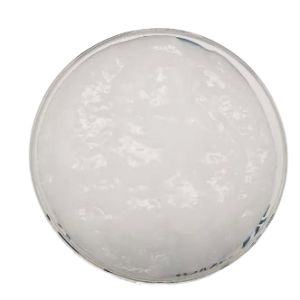
Bacterial cellulose dispersion is revolutionizing materials science with its unique properties and diverse applications. From biomedical applications to sustainable packaging, explore how this innovative material is shaping the future.
Learn More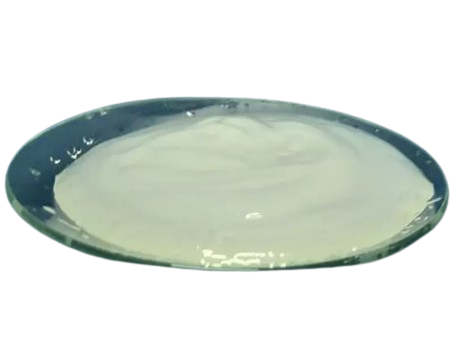
Bacterial cellulose (BC) is a naturally produced biopolymer with exceptional properties, including high purity, tensile strength, and biocompatibility. When processed into a dispersion, it becomes even more versatile, opening doors to a wide array of applications. The properties of bacterial cellulose make it an ideal candidate for various industrial and research purposes.
Nano cellulose, derived from bacterial cellulose, further enhances these properties. Its use in nano cellulose composites is gaining traction due to its ability to reinforce materials at a microscopic level, improving their overall performance. This makes bacterial cellulose reinforcement a key area of interest for materials scientists.
The applications of bacterial cellulose are vast and varied. In the biomedical field, bacterial cellulose for biomedical applications is used in wound healing, drug delivery, and tissue engineering. Its biocompatibility ensures minimal adverse reactions, making it safe and effective for medical use.
Beyond biomedicine, bacterial cellulose finds use in the food industry as a thickening agent and stabilizer. Its unique texture and ability to retain moisture make it a valuable ingredient in various food products. Similarly, in cosmetics, bacterial cellulose is used for its hydrating and film-forming properties, enhancing the quality and efficacy of cosmetic formulations.
Furthermore, bacterial cellulose films are used in packaging as a sustainable alternative to traditional plastics. Nano cellulose in packaging offers enhanced barrier properties, protecting food and other products from environmental factors. This aligns with the growing demand for sustainable materials bacterial cellulose and environmentally friendly packaging solutions.
The innovative uses of nano cellulose continue to expand as researchers discover new ways to harness its potential. In textiles, bacterial cellulose in textiles is used to enhance fabric strength, durability, and texture. Its ability to bind with fibers at a nano-scale level results in high-performance textiles with improved characteristics.
Moreover, nano cellulose is playing a crucial role in addressing environmental concerns. Nano cellulose and the environment are intrinsically linked, as the material is biodegradable and derived from renewable resources. This makes it a sustainable alternative to petroleum-based polymers, reducing the environmental footprint of various industries.
The manufacturing process, nano cellulose manufacturing, is also becoming more efficient and cost-effective, paving the way for wider adoption of this versatile material. As technology advances, we can expect even more innovative uses of nano cellulose to emerge.