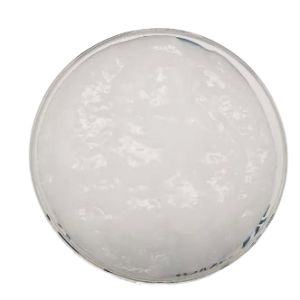
Exploring Bacterial Cellulose: Key Characteristics and Applications
Bacterial cellulose has emerged as a revolutionary biomaterial with far-reaching benefits and transformative applications. From eco-friendly packaging to advanced medical dressings and cutting-edge food tech, the unique characteristics of bacterial cellulose are tapping into new markets and redefining sustainable innovation. Explore its properties, production methods, and how this ultra-pure, ultra-strong, and versatile material is outpacing plant cellulose in many sectors.
Explore Reinste's BNC Series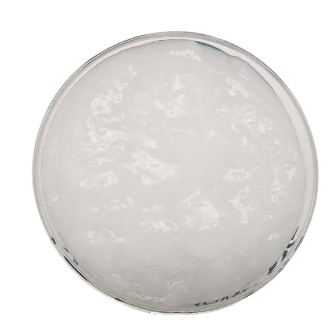
What is Bacterial Cellulose?
Bacterial cellulose (BC) is a highly pure and crystalline form of cellulose synthesized by specific bacteria, primarily Gluconacetobacter xylinus. Unlike plant cellulose, bacterial cellulose is free from lignin and hemicellulose, resulting in a material that is ultra-pure, highly hydrophilic, and possesses remarkable mechanical strength. Bacterial cellulose production process involves microorganisms converting various carbon sources—like glucose or sucrose—into nanofibrils that self-assemble into dense, three-dimensional networks called bacterial cellulose films or biofilms.
- Main Characteristics: High water-holding capacity, exceptional tensile strength, and nanostructured porosity.
- Key Difference: Bacterial cellulose vs plant cellulose: BC is ultra-pure and nano-fibrillated, while plant cellulose contains additional biopolymers and impurities.
Major Properties and Benefits of Bacterial Cellulose
- High Purity and Biodegradability: BC is free from plant biopolymer contaminants, making it ideal for sensitive and sustainable uses, including biodegradable packaging and healthcare.
- Exceptional Mechanical Strength: The nanofiber network provides high tensile strength while maintaining flexibility—outperforming many plant-based and synthetic polymers.
- Superior Water Retention: Retains high moisture content—up to 99%—perfect for wound dressings, cosmetics, and food textures.
- Biocompatibility: Safe for contact with human tissues, essential for bacterial cellulose medical applications, wound dressings, and drug delivery systems.
- Customizability: Can be molded or functionalized into various forms: films, gels, composites, or scaffolds for bioengineering and tissue regeneration.
Production Methods for Bacterial Cellulose
The bacterial cellulose production process typically involves fermentation by Komagataeibacter strains in either static or agitated cultures. Optimizing temperature, nutrients, and oxygen supply influences the final characteristics of bacterial cellulose films and composites. Industrial scaling increasingly uses cost-effective substrates, making BC accessible for innovative uses in the food industry, biodegradable materials, and advanced composites.
- Static Cultivation: Yields thick sheets or pellicles, perfect for films and wound dressings.
- Agitated/Rotary Cultivation: Produces bacterial cellulose in particulate or spherical forms, excellent for reinforced composites and cosmetics.
- Bioengineering Integration: Combined with other biopolymers or nanoparticles, BC forms composites with tailored properties for bioengineering and high-performance textiles.
Major Applications of Bacterial Cellulose
Bacterial Cellulose in the Food Industry
BC is recognized by food authorities as safe and is leveraged as a stabilizer, fat replacer, and dietary fiber, enhancing the texture and shelf-life of products. Most notably, BC is the basis of traditional fermented foods like kombucha and nata de coco. Its thickening, gelling, and emulsifying properties are driving innovations in vegan and functional foods.
Bacterial Cellulose for Medical Applications
Bacterial cellulose’s biocompatibility and non-toxicity are redefining wound care. As a wound dressing, BC accelerates healing, prevents infection, and offers superior comfort due to its cooling, moist-retentive, and conformable structure. Clinical trials also highlight its role in drug delivery systems, burn care, regenerative medicine, and even artificial blood vessels.
Bacterial Cellulose in Cosmetics and Textiles
Cosmetic industries use BC for soothing facial masks, ultra-hydrating sheets, and carriers for bioactive ingredients. In textiles, bacterial cellulose fibers enable strong, lightweight, and biodegradable fabrics, paving the way for the next generation of sustainable fashion and medical textiles.
Bacterial Cellulose in Packaging and Bioengineering
Owing to its biodegradability and strength, BC is set to transform packaging with sustainable, compostable films as a replacement for petrochemical plastics. In bioengineering, BC scaffolds support cell growth—crucial for tissue engineering and bespoke implantables.
Emerging Trends: Composites and Market Growth
Bacterial cellulose composites, blending BC with chitosan, alginate, or nanoparticles, are expanding its uses into smart materials, filtration membranes, and high-barrier packaging. The bacterial cellulose market trends show rapid global expansion, driven by environmental regulation and breakthrough innovations in both life sciences and industry.
Bacterial Cellulose vs Plant Cellulose and Other Biodegradable Materials
While plant cellulose is abundant and cost-effective, it often requires intensive processing to remove associated lignin. Bacterial cellulose, by contrast, is produced pure and at nanoscale, ready for sensitive pharmaceutical, medical, and high-value applications. As the demand for biodegradable materials surges, bacterial cellulose stands out for its reusability, eco-profiles, and ability to blend seamlessly into circular economy models.
- Biodegradable and Compostable: Degrades easily without toxic byproducts.
- Superior Mechanical Properties: Enables thinner, stronger films and composites.
- Customizable Functionality: Integrates antimicrobial, conductive, or oxygen-barrier features for advanced food, medical, and electronics solutions.
Frequently Asked Questions (FAQs)
What are the main advantages of bacterial cellulose over plant cellulose?
Bacterial cellulose is ultra-pure, has a finer nanofibrillar structure, higher water retention, and is produced without the need for chemical extraction, making it more suitable for high-value medical, cosmetic, and food applications.
How is bacterial cellulose used in medical wound dressings?
BC wound dressings provide a moist healing environment, reduce the risk of infection, conform closely to irregular wounds, and encourage faster tissue regeneration—outperforming many synthetic and plant-based materials.
Is bacterial cellulose really biodegradable and sustainable?
Yes, bacterial cellulose is fully biodegradable and can be composted, contributing to reduced waste and supporting sustainable packaging and bioengineering applications.
Are there innovative applications emerging for bacterial cellulose?
Absolutely. Scientists are integrating BC into smart biodegradable sensors, eco-packaging, tissue scaffolds, and even audio membranes for speakers, reflecting rapid growth in its application spectrum and bacterial cellulose market trends.
Discover BNC Series Bacterial Nanocellulose
Unlock the full potential of bacterial cellulose in your applications with the BNC Series from Reinste Nano Ventures. Our advanced BNC products are engineered for exceptional performance in food, medical, cosmetics, packaging, and bioengineering sectors. Learn More & Request Information
-

Anionic Modified Nanocellulose
-
Bacterial Cellulose Dispersion: Advanced Material for Diverse Applications
-
Bacterial cellulose film
-
BC series (Bacterial Cellulose); BNC series (Bacterial Nanocellulose)
-
Carboxylated Modified Cellulose Nanocrystals (C-CNCs)
-
Cellulose nanocrystals (CNCs)
-
CNC series (Cellulose Nanocrystals) or NCC series (Nanocrystalline Cellulose)
-
CNF series (Cellulose Nanofibrils) or NFC series (nano fibrillated cellulose) or MFC series (micro fibrillated cellulose)