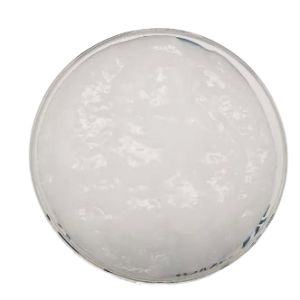
Cellulose nanofibrils (CNF), also known as nano fibrillated cellulose (NFC) and micro fibrillated cellulose (MFC), are redefining the potential of bio-based, eco-friendly materials across industries. As innovation accelerates, these versatile nanomaterials are emerging as the cornerstone for transforming packaging, construction, textiles, and beyond into truly sustainable sectors. Discover how the unique properties, environmental impact, and real-world applications of nano cellulose are ushering in a new era of biodegradable and high-performance materials for the future.
Shop CNF Solutions
Cellulose nanofibrils (CNF) are one of the most revolutionary biopolymers engineered from wood pulp or other plant-based biomass. Boasting a nanoscale diameter with a high aspect ratio, CNF offers remarkable strength, flexibility, and biodegradability. Among the most valuable properties of nano fibrillated cellulose are:
This unique combination is what makes CNF an ideal candidate to replace or supplement traditional, petroleum-based materials, driving both research on cellulose nanofibrils and commercial uptake globally.
The past few years have witnessed unprecedented advancements in CNF technology. Major research institutes and industries are spearheading developments in nano cellulose research, optimizing processing methods that enhance performance, cost-effectiveness, and scalability. Innovations have led to:
Continuous advancements in CNF technology are rapidly bridging the gap between laboratory breakthroughs and widespread market adoption, cementing its role in the future of sustainable materials using CNF.
One of the foremost nano cellulose applications is in creating eco-friendly packaging. CNF enhances the mechanical strength, transparency, and barrier properties of biodegradable packaging films, drastically reducing reliance on plastics in food and goods packaging. Brands utilizing nano cellulose in packaging are achieving lower carbon footprints, longer shelf lives, and fully recyclable or compostable end products.
As a natural reinforcement agent, CNF is being incorporated in concrete, cement, and polymer composites for cellulose nanofibrils in construction. These sustainable construction materials using CNF offer improved durability, flexural strength, and lighter weight, while remaining biodegradable and contributing to reduced emissions in the built environment.
The integration of cellulose nanofibrils in textiles provides stronger, lighter, and breathable fabrics, opening doors for performance wear and sustainable fashion. Nano cellulose is also emerging as a key component in antimicrobial and protective coatings for textiles, providing a greener alternative to synthetic compounds.
Through its superior oxygen and moisture barrier properties, nano cellulose for food packaging is reducing spoilage and waste. As a clean label additive, CNF is approved for food contact materials, enabling the next generation of safe, sustainable, and biodegradable materials from CNF in the food industry.
The papermaking industry is one of the earliest adopters of micro fibrillated cellulose. CNF and MFC provide improved paper strength, printability, and porosity control, representing a prime example of cellulose nanofibrils vs traditional materials in commercial products.
By leveraging the intrinsic renewability and minimal environmental impact of CNF, businesses and researchers are pioneering sustainable transformations in materials science.
Looking ahead, the future of nano cellulose in industry is vibrant and promising. Expanding investments and collaborations are driving:
As research accelerates and economies of scale are realized, cellulose nanofibrils stand at the forefront of sustainable materials for the next generation.
| Feature | Cellulose Nanofibrils (CNF) | Traditional Plastics |
|---|---|---|
| Source | Plant based | Petroleum based |
| Renewability | 100% Renewable | Non-renewable |
| End-of-life | Biodegradable/compostable | Non-biodegradable |
| Mechanical Strength | High | Variable |
| Environmental Impact | Minimal | Significant |
| Applications | Diverse, eco-friendly | Mainly disposable |