Micro Fibrillated Cellulose (MFC): A Comprehensive Guide to Its Applications
Micro Fibrillated Cellulose (MFC) is revolutionizing various industries with its unique properties and sustainable nature. This comprehensive guide explores the diverse applications of MFC, its benefits, and the latest market trends. Discover how MFC is transforming everything from food to construction.
Explore MFC Products
Understanding Micro Fibrillated Cellulose (MFC)
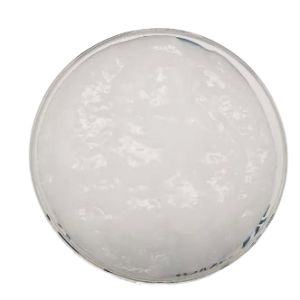
Micro Fibrillated Cellulose (MFC) is a material derived from wood pulp or other plant sources. It consists of individual cellulose fibrils that are separated and processed to create a network-like structure. This structure gives MFC its exceptional properties, making it valuable in various applications.
MFC Properties and Uses
The unique properties of MFC, such as high strength, flexibility, and water retention, make it suitable for a wide range of uses. From enhancing the texture of food products to improving the strength of building materials, MFC is a versatile ingredient.
Micro Fibrillated Cellulose Applications Across Industries
Micro Fibrillated Cellulose Applications are vast and varied. Here’s a glimpse into some key sectors:
- Nano Cellulose in Food Industry: MFC acts as a stabilizer, thickener, and texture enhancer.
- MFC in Paper Products: Improves paper strength and reduces fiber consumption.
- MFC in Biocomposites: Enhances the mechanical properties of bioplastics.
- MFC in Paints and Coatings: Improves viscosity, stability, and application properties.
- MFC in Building Materials: Increases strength and durability of concrete and other materials.
- Nano Cellulose for Cosmetics: Provides unique texture and stability to cosmetic formulations.
- MFC in Drug Delivery: Used as a carrier for controlled drug release.
- MFC in Textiles: Enhances the strength and durability of fabrics.
The Benefits of Micro Fibrillated Cellulose
Micro Fibrillated Cellulose Benefits are numerous:
- Sustainable: Made from renewable resources.
- High Strength: Enhances the mechanical properties of materials.
- Water Retention: Improves moisture management in various applications.
- Biodegradable: Environmentally friendly disposal.
Micro Fibrillated Cellulose Market Trends
The Micro Fibrillated Cellulose Market Trends indicate significant growth due to increasing demand for sustainable and high-performance materials. The market is driven by innovations in Nano Cellulose Technology and expanding applications across various industries.
Sustainable Micro Fibrillated Cellulose Production
Sustainable Micro Fibrillated Cellulose production methods are gaining prominence. These methods focus on minimizing environmental impact through efficient resource utilization and eco-friendly processing techniques. Micro Fibrillated Cellulose Production is becoming more sustainable with advancements in technology.
MFC in Specific Applications
- MFC in Agriculture: Enhances water retention in soil and improves plant growth.
- Nano Cellulose for Energy Storage: Used in batteries and supercapacitors for improved performance.
Frequently Asked Questions About MFC
What are the primary applications of Micro Fibrillated Cellulose?
MFC is used in a wide range of applications, including food, paper, biocomposites, paints, coatings, cosmetics, drug delivery, textiles, building materials, and agriculture.
What makes MFC a sustainable material?
MFC is sustainable because it is derived from renewable resources, biodegradable, and produced using eco-friendly processes.
How does MFC improve the properties of paper products?
MFC enhances paper strength, improves print quality, and reduces the need for traditional wood fibers.
Research on Micro Fibrillated Cellulose
Ongoing Research on Micro Fibrillated Cellulose continues to uncover new applications and improve existing processes. Scientists are exploring the potential of MFC in advanced materials, biomedical applications, and sustainable technologies.
Applications of Nano Cellulose
Applications of Nano Cellulose are expanding rapidly, driven by its unique properties and versatility. From enhancing the performance of biocomposites to improving the delivery of drugs, nano cellulose is a material of the future.
Explore Our Related Products
-

Anionic Modified Nanocellulose
-
Bacterial Cellulose Dispersion: Advanced Material for Diverse Applications
-
Bacterial cellulose film
-
BC series (Bacterial Cellulose); BNC series (Bacterial Nanocellulose)
-
Carboxylated Modified Cellulose Nanocrystals (C-CNCs)
-
Cellulose nanocrystals (CNCs)
-
CNC series (Cellulose Nanocrystals) or NCC series (Nanocrystalline Cellulose)
-
CNF series (Cellulose Nanofibrils) or NFC series (nano fibrillated cellulose) or MFC series (micro fibrillated cellulose)




Contact Us
Have questions or want to learn more about Micro Fibrillated Cellulose? Contact us today!
Ready to explore the possibilities of MFC?
View Our MFC Products