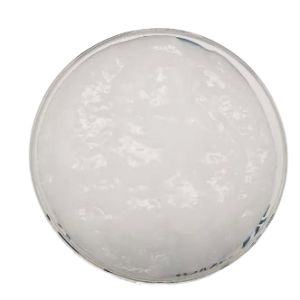
The Future of Materials: Understanding CNCs in Nano Cellulose
Nano cellulose, particularly in the form of Cellulose Nano Crystals (CNCs), is revolutionizing various industries. This renewable material offers unique properties and a wide array of applications. Dive in to explore the potential of nano cellulose and its impact on the future.
Explore CNCs
What is Nano Cellulose?
Nano cellulose is a material derived from cellulose, the main structural component of plants. It exists in various forms, including Cellulose Nano Crystals (CNCs) and Cellulose Nano Fibrils (CNFs). Due to its exceptional strength, high surface area, and biodegradability, nano cellulose is emerging as a sustainable alternative to traditional materials.
Benefits of Nano Cellulose
The benefits of nano cellulose are numerous. It's a renewable resource, offering a sustainable alternative to petroleum-based products. Its high strength-to-weight ratio makes it ideal for lightweight applications. Moreover, nano cellulose is biocompatible and non-toxic, opening doors in biomedical applications.
Nano Cellulose Applications in Industry
Nano cellulose applications in industry are rapidly expanding. From nano cellulose in packaging solutions to nano cellulose composites for construction, its versatility is unmatched. It's also finding its way into nano cellulose in textiles, nano cellulose in electronics, and even the nano cellulose in food industry.
Sustainability of Nano Cellulose
The sustainability of nano cellulose is a key driver of its growing popularity. As a renewable resource, it reduces our reliance on fossil fuels and minimizes environmental impact. Nano cellulose environmental impact is significantly lower compared to traditional materials like plastics and synthetic fibers.
How to Produce Nano Cellulose
Nano cellulose production techniques vary depending on the desired form and application. Nano cellulose extraction methods include mechanical, chemical, and enzymatic processes. These methods aim to isolate cellulose nanocrystals or nano fibrils from plant-based sources.
Nano Cellulose vs Traditional Materials
Nano cellulose vs traditional materials presents a compelling case for its adoption. Compared to plastics, nano cellulose offers biodegradability and renewability. In construction, nano cellulose composites provide enhanced strength and reduced weight compared to conventional materials.
Properties of Cellulose Nanocrystals
The properties of cellulose nanocrystals make them highly desirable in various applications. CNCs exhibit high tensile strength, stiffness, and a large surface area. These properties are crucial in applications ranging from reinforcing agents to drug delivery systems.
Nano Cellulose Market Trends 2024
Nano cellulose market trends 2024 indicate significant growth driven by increasing demand across various sectors. The market is expected to expand as more industries recognize the benefits and applications of nano cellulose.
Innovative Uses for Nano Cellulose
The innovative uses for nano cellulose continue to emerge. From nano cellulose in cosmetics to nano cellulose in biomedical applications, its potential seems limitless. Researchers are constantly exploring new ways to harness the unique properties of this material.
Nano Cellulose in Biomedical Applications
Nano cellulose in biomedical applications is particularly promising. Its biocompatibility and non-toxicity make it suitable for drug delivery, tissue engineering, and wound healing applications.
Nano Cellulose as a Renewable Resource
Nano cellulose as a renewable resource offers a sustainable pathway for various industries. By utilizing plant-based sources, we can reduce our reliance on finite resources and minimize environmental impact.
Future of Nano Cellulose Research
The future of nano cellulose research is bright. Scientists are exploring new production techniques, applications, and ways to enhance its properties. This ongoing research will further unlock the potential of nano cellulose and drive its adoption across industries.
FAQs About Nano Cellulose
What are the primary benefits of using nano cellulose?
Nano cellulose is renewable, sustainable, strong, lightweight, and biocompatible.
In what industries can nano cellulose be applied?
It can be applied in packaging, construction, textiles, electronics, biomedicine, and cosmetics.
How is nano cellulose produced?
Nano cellulose is produced through mechanical, chemical, or enzymatic extraction methods from plant-based sources.
Is nano cellulose environmentally friendly?
Yes, it is a renewable resource with a significantly lower environmental impact compared to traditional materials.
What are the key properties of cellulose nanocrystals (CNCs)?
CNCs have high tensile strength, stiffness, and a large surface area, making them ideal for various applications.
Related Products
-

Anionic Modified Nanocellulose
-
Bacterial Cellulose Dispersion: Advanced Material for Diverse Applications
-
Bacterial cellulose film
-
BC series (Bacterial Cellulose); BNC series (Bacterial Nanocellulose)
-
Carboxylated Modified Cellulose Nanocrystals (C-CNCs)
-
Cellulose nanocrystals (CNCs)
-
CNC series (Cellulose Nanocrystals) or NCC series (Nanocrystalline Cellulose)
-
CNF series (Cellulose Nanofibrils) or NFC series (nano fibrillated cellulose) or MFC series (micro fibrillated cellulose)