
Understanding Conductive Carbon Black Properties
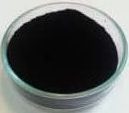
Before diving into the industrial applications of conductive carbon black, it's essential to understand what makes it unique. Carbon black is a form of paracrystalline carbon produced by the incomplete combustion of heavy petroleum products such as FCC tar, coal tar, or vegetable oil. Conductive grades are specifically engineered with controlled particle size, structure, and surface chemistry to create effective conductive networks within a host material.
The key conductive carbon black properties include:
- High Surface Area: Smaller particle sizes result in higher surface area, promoting better dispersion and interaction within the polymer matrix.
- Structure (Aggregates): Conductive carbon blacks form complex, branched aggregates. This structure is vital as it allows particles to touch and form continuous pathways for electron flow even at relatively low concentrations. The degree of branching and fusion significantly impacts conductivity.
- Surface Chemistry: The presence of surface functional groups can influence dispersion and interaction with the polymer, affecting the overall conductive network formation.
- Purity: Low levels of impurities, especially inorganic salts, are crucial for optimal electrical performance.
These carefully controlled properties are what enable conductive carbon black to effectively enhance conductivity in a wide range of materials.
How Conductive Carbon Black Works: The Mechanism of Conductivity
The mechanism behind how conductive carbon black works involves the formation of a conductive network within an insulating matrix, typically a polymer. When conductive carbon black particles are dispersed at a sufficient concentration, their aggregates come into contact, creating continuous pathways or "bridges" through which electrons can travel.
This phenomenon is related to the concept of the "percolation threshold." Below a certain concentration of carbon black, the particles are too far apart, and the material remains insulating. As the concentration increases and reaches the percolation threshold, a continuous conductive path is suddenly formed, leading to a dramatic increase in conductivity. The structure and dispersion of the carbon black are critical factors influencing this threshold and the overall conductivity achieved.
Achieving uniform dispersion is paramount for maximizing the effectiveness of conductive carbon black and ensuring consistent performance throughout the material.
The Top Benefits of Conductive Carbon Black in Industry
The widespread adoption of conductive carbon black across numerous sectors is a testament to its significant advantages. The primary benefits of conductive carbon black in industry include:
- Excellent Electrical Conductivity: This is the most prominent benefit. Conductive carbon black can reduce the electrical resistivity of polymers and other materials by many orders of magnitude, turning them into effective conductors or static-dissipative materials.
- Cost-Effectiveness: Compared to other conductive fillers like metallic powders, carbon fibers, or carbon nanotubes, conductive carbon black offers a more economical solution for achieving desired conductivity levels, contributing to the cost efficiency of conductive carbon black applications.
- Versatility: It can be easily incorporated into a wide variety of matrices, including plastics, rubber, coatings, adhesives, and composites, making the uses of conductive carbon black incredibly diverse.
- Mechanical Reinforcement: Beyond conductivity, carbon black also acts as a reinforcing filler, improving the mechanical properties such as tensile strength, abrasion resistance, and tear strength, particularly in rubber and plastics.
- UV Protection and Pigmentation: Carbon black is a strong UV absorber, providing excellent weather resistance to polymers. It is also a widely used black pigment.
- Ease of Processing: Many grades are relatively easy to handle and disperse using standard processing equipment, although optimal dispersion requires careful formulation and processing conditions.
These conductive carbon black advantages make it an indispensable material for enhancing performance and enabling new functionalities in numerous industrial products.
Key Industrial Applications of Conductive Carbon Black
The ability of carbon black to impart conductivity has led to its integration into countless products across diverse sectors. The industrial applications of conductive carbon black are constantly expanding. Here are some major areas:
Conductive Carbon Black in Electronics
The electronics industry heavily relies on materials that can manage static electricity or conduct current. Conductive carbon black in electronics is used in:
- Antistatic and Shielding Packaging: Protecting sensitive electronic components from electrostatic discharge (ESD) during handling and transport.
- Conductive Films and Foils: Used in flexible electronics, touch screens, and electromagnetic interference (EMI) shielding.
- Component Housings: Preventing static build-up on device casings.
- Batteries: As an additive to electrode materials to improve conductivity and charge/discharge rates in lithium-ion and other battery types.
Conductive Carbon Black for Coatings
Conductive coatings are essential for applications requiring static dissipation, grounding, or electrical resistance. Conductive carbon black for coatings is found in:
- Antistatic Paints and Varnishes: For floors, walls, and equipment in areas where static electricity is a hazard (e.g., cleanrooms, electronics manufacturing).
- Electrically Conductive Primers: Used in automotive and industrial painting to ensure proper electrostatic spray application and corrosion protection.
- Heating Elements: In printed heating inks and films.
Conductive Carbon Black in Rubber
Rubber products often need to be conductive for safety or performance reasons. Conductive carbon black in rubber is crucial for:
- Tires: Providing static dissipation to prevent static charge build-up, which could interfere with electronic systems or cause sparks. It also contributes to abrasion resistance.
- Industrial Hoses and Belts: For conveying flammable materials where static discharge is a risk.
- Footwear: Antistatic or conductive safety shoes for hazardous environments.
- Gaskets and Seals: Requiring static control or electrical contact.
Conductive Carbon Black for Plastic Industries
Plastics are naturally insulative, but adding conductive carbon black can make them conductive for various uses. Conductive carbon black for plastic industries is used in:
- Automotive Parts: Fuel systems (to prevent static sparks), electronic component housings, and exterior panels requiring electrostatic painting. This is a key area for conductive carbon black in automotive industry.
- Pipes and Containers: For transporting flammable liquids or powders.
- Electronic Component Trays and Bins: ESD protection during manufacturing and storage.
- Films and Sheets: Antistatic packaging, conductive layers in capacitors, and heating films.
Conductive Carbon Black for Conductive Composites
High-performance composites often incorporate conductive fillers. Conductive carbon black for conductive composites enhances electrical properties in materials used in aerospace, automotive, and sports equipment.
Enhancing Conductivity with Carbon Black: Factors to Consider
Optimizing the use of conductive carbon black to achieve the desired level of conductivity involves understanding several factors:
- Carbon Black Grade: Different grades have varying particle size, structure, and surface area, directly impacting their conductive performance. High structure grades generally achieve conductivity at lower loadings.
- Concentration: The amount of carbon black added is critical. Conductivity increases sharply near the percolation threshold. Using the optimal concentration is key for balancing conductivity with material properties and cost.
- Dispersion: Uniform dispersion of carbon black aggregates throughout the matrix is vital. Poor dispersion leads to inconsistent conductivity and can negatively impact mechanical properties. Processing techniques play a significant role here.
- Polymer Matrix: The type of polymer or host material influences compatibility and dispersion, affecting the final conductive network.
- Processing Method: Mixing temperature, shear forces, and processing time all impact dispersion and the integrity of the conductive network.
Careful selection of the conductive carbon black properties and optimization of processing parameters are essential for successfully enhancing conductivity with carbon black.
Cost Efficiency and Market Trends
One of the significant conductive carbon black advantages is its cost-effectiveness compared to other conductive additives. This cost efficiency of conductive carbon black makes it accessible for large-volume applications across various industries.
The conductive carbon black market trends show steady growth, driven by increasing demand from the automotive (especially EVs), electronics, and industrial sectors. As requirements for lightweight conductive materials and static control solutions grow, so does the demand for high-performance conductive carbon black grades.
Finding reliable conductive carbon black suppliers is crucial for consistent quality and supply. Many companies offer options to buy conductive carbon black online or through direct sales channels.
Environmental Impact and Future of Conductive Carbon Black Technology
Like many industrial materials, the environmental impact of conductive carbon black production is a consideration. Manufacturers are increasingly focusing on sustainable practices, including energy efficiency and reducing emissions. Research into using recycled feedstocks or developing bio-based carbon blacks represents exciting future of conductive carbon black technology directions.
The future also holds potential for developing novel conductive carbon black grades with even better performance, lower percolation thresholds, and improved dispersion characteristics, further expanding the uses of conductive carbon black in advanced applications like flexible electronics, sensors, and energy storage.
Frequently Asked Questions about Conductive Carbon Black
Related Products


Contact Us
Have specific questions about conductive carbon black or need assistance finding the right grade for your application? Get in touch with our experts.