Understanding Bacterial Cellulose: Grades and Uses

Bacterial cellulose, renowned for its unique structure and eco-friendly nature, is rapidly transforming applications across food, biomedical, packaging, cosmetics, and industry. This article unveils the science, properties, types, industrial extraction, and the innovative applications driving a sustainable future.
Explore Bacterial Cellulose Products
Bacterial Cellulose

What is Bacterial Cellulose?

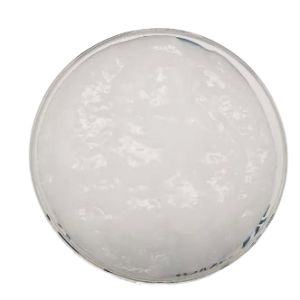
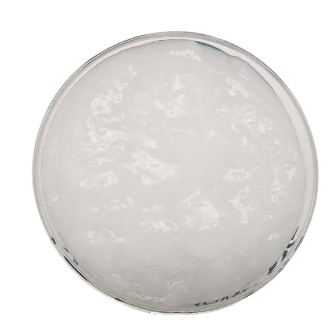
Bacterial cellulose is a naturally occurring biopolymer produced by certain bacteria, notably Komagataeibacter xylinus. Unlike plant cellulose, bacterial cellulose is free from impurities such as lignin and hemicellulose, giving it remarkable purity, structure, and performance. Its nanofibril network offers impressive mechanical strength, water retention, and biocompatibility—qualities that underpin its rapidly expanding industrial, food, packaging, and medical uses.

Major bacterial cellulose applications depend on its unique properties like high crystallinity, porosity, high tensile strength, non-toxicity, biodegradability, and the ability to form gels and films. As industries seek sustainable alternatives, bacterial cellulose’s eco-friendly profile is reshaping market trends worldwide.

Grades & Types of Bacterial Cellulose

Grading Bacterial Cellulose

Bacterial cellulose is graded based on production purity, structural integrity, fiber dimensions, and suitability for fermentation, biomedical or industrial uses. Main grades include:

Types of Bacterial Cellulose

Bacterial Cellulose Properties & Key Benefits

Core Properties

Bacterial Cellulose Benefits

  1. Sustainability: Produced from renewable resources, enabling sustainable uses of bacterial cellulose in green industries.
  2. Advanced Performance: Density, purity, and customizability match or surpass plant-derived cellulose for precision-demanding sectors.
  3. Safe for Consumption: Used safely in foods, certified for biomedical products.
  4. Environmental Impact: Biodegrades without hazardous by-products, supporting eco-friendly packaging and disposable medical items.
  5. Innovation Platform: Amenable to functionalization, seeding innovations in bacterial cellulose technology for next-gen products.

Major Applications & Examples

Uses of Bacterial Cellulose in Food

Bacterial Cellulose for Biomedical Applications

Bacterial Cellulose in Cosmetics

Industrial Applications of Bacterial Cellulose

Innovations & Sustainable Uses

Bacterial Cellulose Extraction Process & Challenges in Production

Bacterial Cellulose Extraction Process

  1. Cultivation of cellulose-producing bacteria such as Komagataeibacter in nutrient-rich media
  2. Fermentation, either static (surface pellicle) or agitated (spheres/fibers)
  3. Harvesting and washing the cellulose mat or gel to remove media residues
  4. Purification (alkaline, acid, or enzymatic treatment) for removing bacterial cells, endotoxins, or impurities
  5. Shaping, drying, or chemical/physical modification as per end use (membranes, gels, films, or fibers)

Challenges in Bacterial Cellulose Production

Frequently Asked Questions (FAQs)
  1. What is the main difference between nano cellulose and bacterial cellulose?
    Nano cellulose includes both plant-derived and bacterial nanocellulose. Bacterial nanocellulose is produced by microbes and has a more pure, crystalline nanofibril structure, giving it unique medical, food, and engineering benefits over regular nano cellulose extracted from plants.
  2. What are the sustainable uses of bacterial cellulose?
    Sustainable uses include compostable packaging, eco-friendly wound dressings, biodegradable films, vegan leathers, edible coatings, and as a low-impact substitute for synthetic polymers in industry.
  3. What are the core challenges in bacterial cellulose production?
    Key challenges are cost of raw materials, scale-up difficulties, need for sterile processes, energy use, and maintaining consistent purity/quality—especially for biomedical or food uses.
  4. How does bacterial cellulose benefit the environment?
    Due to its biodegradability and low toxicity, bacterial cellulose breaks down harmlessly after use, reducing landfill waste and microplastic pollution. It can also be upcycled or composted in green waste streams.
  5. What are the latest innovations in bacterial cellulose technology?
    Recent innovations include flexible bioelectronic sensors, bacteria-engineered cellulose blends for self-healing materials, 3D-printed scaffolds for tissue engineering, and smart packaging with antimicrobial properties.
Order Bacterial Cellulose or Get Scientific Support

Contact Us

Contact Us
Understanding Bacterial Cellulose: Grades and Uses Understanding Bacterial Cellulose: Grades and Uses | Reinste Nano Ventures Pvt Ltd