In the rapidly evolving landscape of biotechnology and medicine, the precision and efficiency of antibody binding techniques are paramount. From diagnostic assays to targeted therapies, the ability to accurately capture and detect specific biomolecules dictates success. Enter the remarkable innovation: 60nm Carboxyl Gold NanoUrchins. These unique nano-scale gold particles are not just another advancement; they represent a significant leap forward, offering unparalleled surface area and highly reactive carboxyl functionalization that dramatically enhances antibody affinity and opens new frontiers in research and clinical applications. This comprehensive guide delves into the science, recent major applications, and transformative potential of these cutting-edge nanostructures, demonstrating how they are revolutionizing the way we approach antibody studies and broader nanotechnology in medicine.
Discover 60nm Carboxyl Gold NanoUrchins
At the heart of this innovation lies a sophisticated understanding of nanotechnology and material science. Gold nanourchins in research are a class of nanoparticles characterized by their distinctive spiky, urchin-like morphology. Unlike spherical nanoparticles, this anisotropic structure provides an exceptionally high surface area-to-volume ratio, which is critical for maximizing the number of binding sites for biomolecules like antibodies. The choice of gold as the core material is deliberate; gold nanoparticles are renowned for their biocompatibility, chemical inertness, unique optical properties (surface plasmon resonance), and ease of surface functionalization.
The "carboxyl" in Carboxyl gold nanourchins refers to the presence of carboxylic acid (-COOH) groups on their surface. These groups are incredibly versatile and serve as a robust platform for covalent bioconjugation strategies. Through well-established carbodiimide chemistry (e.g., EDC/NHS coupling), antibodies can be directly and stably linked to the NanoUrchin surface via their amine groups. This covalent bond ensures superior stability and prevents non-specific desorption, a common issue with passive adsorption methods. This precise functionalization is key to achieving enhanced antibody affinity and specificity, making these functionalized gold nanourchins highly desirable for complex biological systems.
The specified 60nm nano-scale gold particles size is not arbitrary. It represents an optimized dimension that balances several critical factors. While smaller nanoparticles offer higher surface curvature, larger ones provide more total surface area. The 60nm size for these carboxylated gold nanoparticles strikes an ideal balance, offering ample surface for high antibody loading while maintaining excellent colloidal stability in biological buffers, minimizing aggregation, and ensuring optimal optical properties for various detection methods. This careful engineering underpins their superior performance in diverse applications.
Traditional antibody binding techniques often face limitations in sensitivity, speed, and the amount of antibody required. Gold nanoparticles for binding assays have long been used to overcome some of these challenges, but NanoUrchins take this a step further. Their unique morphology and surface chemistry provide a superior platform for antibody immobilization, leading to significant enhancements in assay performance.
The high density of reactive carboxyl groups on the 60nm Carboxyl Gold NanoUrchins allows for a greater number of antibodies to be precisely oriented and immobilized on the surface. This high local concentration of active antibodies, combined with the NanoUrchins' inherent signal amplification capabilities (e.g., in colorimetric or surface plasmon resonance-based assays), leads to dramatically improved sensitivity and lower limits of detection. Researchers are seeing unprecedented levels of antibody affinity enhancement, enabling the detection of even trace amounts of analytes.
The robust covalent attachment facilitated by the carboxyl groups ensures that the antibodies remain stably bound, even under harsh experimental conditions. This stability is crucial for developing reliable and reproducible assays. From diagnostic kits to advanced biosensors, the ease and efficiency of these bioconjugation strategies make gold nanoparticles and antibodies a formidable duo. This approach offers superior control over antibody orientation compared to passive adsorption, further contributing to optimal binding kinetics and specificity.
The impact of nanotechnology in medicine is profound, and 60nm Carboxyl Gold NanoUrchins are at the forefront of this revolution. Their unique properties are being leveraged across a spectrum of applications, from rapid diagnostics to advanced therapeutic interventions and fundamental research.
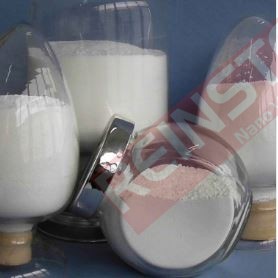
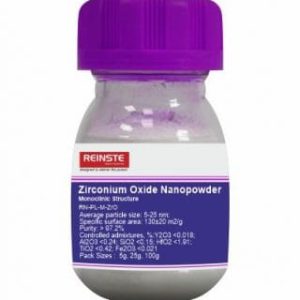
While 60nm Carboxyl Gold NanoUrchins are a cornerstone of advanced antibody binding, the broader field of nanotechnology often leverages synergistic materials. Zirconium oxide applications are increasingly prominent in biomedicine, offering unique properties that complement gold nanoparticles in various diagnostic and therapeutic contexts. Zirconium oxide properties include exceptional biocompatibility, high mechanical strength, chemical stability, and excellent resistance to corrosion, making it suitable for a range of biomedical devices and platforms.
Zirconium oxide in diagnostics is gaining traction, particularly as a robust and inert substrate for biosensors or as a component in advanced imaging. Its low toxicity and stability make it an excellent material for implantable devices and drug delivery systems. For instance, in certain diagnostic assays, zirconium oxide can provide a stable surface for immobilizing capture molecules, while gold nanoparticles (like NanoUrchins) are used for signal generation or amplification. This combination leverages the best of both materials.
The advancements in Zirconium oxide synthesis have led to highly pure and precisely engineered forms, including nanoparticles, which can be integrated into complex nanomedicine systems. While not directly functionalizing NanoUrchins, Zirconium oxide in biomedicine contributes significantly to the development of robust and reliable diagnostic tools and therapeutic devices where long-term stability and biocompatibility are paramount. Research into Zirconium oxide and nanomedicine explores its use in bone regeneration, dental implants, and as a component in advanced drug delivery systems, often in conjunction with other nanomaterials.
Emerging Zirconium oxide research advancements are also exploring its role in enhancing the stability and performance of diagnostic platforms, providing a solid foundation for the sensitive detection enabled by gold nanostructures. For example, some advanced diagnostic chips might utilize a zirconium oxide base for mechanical stability and biocompatibility, onto which gold nanourchins are integrated for specific antibody-antigen interactions.
The advent of 60nm Carboxyl Gold NanoUrchins marks a significant milestone in the journey of nanotechnology in medicine. Their distinct advantages include:
The future of gold nanourchins in research is incredibly promising. Continued innovations in synthesis and functionalization will likely lead to even more tailored nanostructures for specific applications. We can anticipate their expanded use in multiplexed diagnostics, where multiple analytes are detected simultaneously, and in personalized medicine, enabling highly individualized diagnostic and therapeutic approaches. As gold nanoparticles in immunology continue to evolve, their role in advanced vaccines and immunotherapies will also grow. The synergistic integration with other advanced materials, including those benefiting from Zirconium oxide applications, will further unlock their full potential, pushing the boundaries of what's possible in biomedical science.
Learn More About Carboxyl Gold NanoUrchins