
Discover the Benefits of Cellulose Nanofibrils in Manufacturing
As industries relentlessly push towards greener, stronger, and smarter materials, cellulose nanofibrils (CNFs) are becoming today’s most exciting advancement. From revolutionizing composites to enhancing packaging, construction, and even biomedical products, CNFs unlock extraordinary material properties with minimal environmental impact. Dive into the comprehensive world of nanocellulose, exploring its science, recent industrial breakthroughs, benefits, challenges, and future directions.
Explore Commercial-Grade Nanocellulose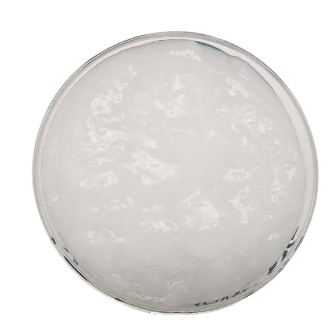
What Are Cellulose Nanofibrils?
Cellulose nanofibrils (CNFs), also known as nanofibrillated cellulose, are nano-scale fibers derived from natural cellulose – a renewable resource abundant in plant cell walls. Exhibiting a diameter of 5–100 nm and lengths of several microns, CNFs possess astonishing mechanical strength, low weight, biodegradability, and versatility, making them ideal as a reinforcement agent across various industries.
Thanks to innovative extraction and manufacturing techniques, nanocellulose now offers sustainable manufacturing pathways, helping industries reduce their environmental impact by shifting away from petrochemical-based solutions.
Key Advantages of Cellulose Nanofibrils in Composites
- Exceptional Strength: Nanofibrillated cellulose enhances the mechanical strength and toughness of composites, outperforming traditional reinforcements at much lower filler loading.
- Eco-Friendly Profile: Cellulose nanofibrils are derived from renewable sources, fully biodegradable, and non-toxic – supporting green manufacturing and minimizing environmental impact.
- Lightweight Solutions: Owing to their nano-size, CNFs yield extremely low density without sacrificing structural integrity, making them perfect for automotive, aerospace, and building applications.
- Barrier and Rheological Properties: CNFs impart notable improvements in barrier performance against gases and moisture, critical for packaging solutions and insulation materials.
- Compatibility: They blend well with biopolymers, resins, and other materials, allowing tailor-made composite designs for diverse applications while keeping costs low.
Modern Applications of Cellulose Nanofibrils in Industry
1. Sustainable Manufacturing & Composites
Industrial sectors are fast adopting cellulose nanofibrils for sustainable manufacturing due to their low carbon footprint and recyclability. Automotive and aerospace engineers utilize CNFs to produce nano-enabled composite structures with excellent strength-to-weight ratio, replacing heavier and environmentally problematic materials.
2. Nano Cellulose in Packaging Solutions
From food packages to medical wrappings, nanocellulose enhances packaging solutions. CNFs improve the oxygen and moisture barrier, extend product shelf-life, and yield eco-friendly packaging that’s easily recyclable and compostable. Notable brands are pioneering cellulose nanofibrils for food packaging to cut single-use plastic dependency, advancing a circular materials economy.
3. Paper & Printing Industry
Nanofibrillated cellulose in paper products leads to improved printability, opacity, and mechanical performance while reducing the need for synthetic additives. Innovative uses of cellulose nanofibrils have resulted in ultra-thin specialty papers for electronics and filtration systems.
4. Construction & Green Building
The use of CNFs in cement, insulation, and panel boards significantly enhances the mechanical and thermal stability of construction materials. Benefits of using nano cellulose in construction include improved fire resistance, reduced water penetration, and higher durability, all while keeping manufacturing cost-effective and sustainable.
5. Biomedical & Life Sciences
Thanks to their intrinsic biocompatibility and superior strength properties, cellulose nanofibrils in biomedical applications range from wound dressings and cell scaffolds to drug delivery systems. Their safety profile and functional adaptability enable CNFs to address emerging needs in regenerative medicine.
6. Advanced Insulation Materials
Nano cellulose for improved insulation delivers lightweight, efficient alternatives for both acoustic and thermal insulation in architecture and equipment, leveraging superior barrier and reinforcement capabilities.
Recent Examples and Research on Cellulose Nanofibrils
- Automotive: Japanese automakers are integrating nanocellulose-reinforced composites into vehicle interiors, achieving lighter yet stronger components, and saving on fuel through weight reduction.
- Food Packaging: Scandinavian firms have launched cellulose nanofibrils in food packaging with impressive barrier properties, tackling the problem of microplastics in food systems.
- Biomedical Innovations: CNFs functionalized for slow-release medicines show promising results in clinical research, underlining the growing significance of cellulose nanofibrils in biomedical applications.
- Green Construction: Start-ups in Europe and Asia have commercialized CNF-enhanced concrete panels for eco-friendly buildings, boosting both cost-effectiveness and performance.
These industry examples underscore the role of CNFs in enhancing material properties, reducing environmental impact, and driving innovative manufacturing breakthroughs.
Eco-Friendly, Cost-Effective, and Renewable: The Sustainable Edge
Cellulose nanofibrils stand out for their environmental impact—fully biodegradable, minimizing landfill and ocean pollution. Sourced from waste or renewable biomass, CNFs foster a carbon-neutral manufacturing loop. Moreover, the cost-effectiveness of cellulose nanofibrils lies in their minimal dosage requirement for significant performance gains, slashing both raw material and energy costs throughout the supply chain.
Challenges in Cellulose Nanofibril Manufacturing and Future Trends
Though CNFs are revolutionizing modern materials, certain manufacturing challenges remain—scaling up production, refining energy-efficient processes, and achieving perfect compatibility with various polymers. Ongoing research on cellulose nanofibrils is addressing these hurdles, with emerging fiber surface modifications and innovative extraction technologies paving the way for next-generation composites. Future trends in cellulose nanofibril applications are set to include smart packaging, advanced biomedical devices, self-healing construction materials, and more.
Related Nano Cellulose Products
-

Anionic Modified Nanocellulose
-
Bacterial Cellulose Dispersion: Advanced Material for Diverse Applications
-
Bacterial cellulose film
-
BC series (Bacterial Cellulose); BNC series (Bacterial Nanocellulose)
-
Carboxylated Modified Cellulose Nanocrystals (C-CNCs)
-
Cellulose nanocrystals (CNCs)
-
CNC series (Cellulose Nanocrystals) or NCC series (Nanocrystalline Cellulose)
-
CNF series (Cellulose Nanofibrils) or NFC series (nano fibrillated cellulose) or MFC series (micro fibrillated cellulose)




Frequently Asked Questions
Take Your Manufacturing to the Next Level
Are you ready to leverage eco-friendly cellulose nanofibrils for improved insulation, durable composites, or advanced packaging? Join the wave of tomorrow’s manufacturing.
Get Started With Commercial-Grade Nanocellulose