Discover how commercial grade nanocellulose is reshaping major industries with its unparalleled strength and stability. As a sustainable, lightweight, and high-performance material, nano cellulose offers breakthrough properties for construction, packaging, composites, and beyond. Explore the latest market trends, innovative applications, and environmentally conscious production methods making nanocellulose a go-to choice for next-generation commercial uses.
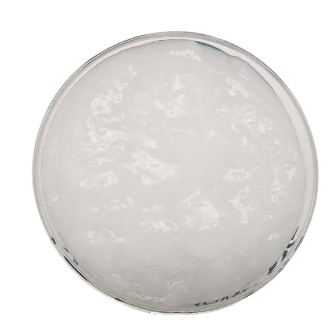
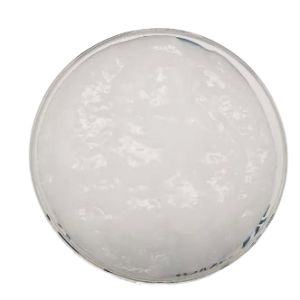
Commercial grade nanocellulose is a high-strength, biodegradable, and renewable nanomaterial, derived primarily from plant cellulose. Through advanced nano cellulose production techniques, cellulose fibers are broken down to the nanoscale, resulting in materials with unique mechanical, optical, and barrier properties. Whether supplied in the form of cellulose nanofibers (CNF), cellulose nanocrystals (CNC), or bacterial nanocellulose (BNC), these materials exhibit exceptional strength and stability that surpass traditional cellulose-based products.
The demand for industrial nanocellulose applications has soared, driven by its lightweight structure, increased durability, renewable sourcing, and outstanding nano cellulose properties.
NanoCellulose Strength and Stability – Why it Matters
The core advantage of high strength nanocellulose lies in its unique nanostructure. Nano cellulose’s Young’s modulus rivals that of steel (around 138 GPa for nanocrystals) but at just a fraction of the weight. This enables enhanced durability, effective nano cellulose reinforcement in composites, and broad commercial uses of nanocellulose in load-bearing and impact-resistant applications.
Enhanced Durability: Provides outstanding mechanical reinforcement for plastics, polymers, and other matrices.
Stability: Offers high thermal, mechanical, and dimensional stability, even in demanding industrial environments.
Sustainability: As a biopolymer, nano cellulose sources help reduce dependence on petrochemicals.
Thanks to these features, commercial grade nanocellulose has become invaluable for manufacturing lightweight, rigid, and eco-friendly products across sectors.
NanoCellulose Composites: Used for automotive parts, aerospace panels, and sporting equipment due to superior stiffness-to-weight ratios.
Nano Cellulose for Packaging: Innovative barrier films and coatings provide enhanced durability nanocellulose for food safety and shelf-life extension while being recyclable and biodegradable.
Nano Cellulose in Construction: Reinforces concretes and mortars, resulting in stronger, lighter, and more crack-resistant building materials. Nanocellulose-modified cements significantly improve sustainability and structural performance.
Nano Cellulose for 3D Printing: High-strength nanocellulose slurries enable advanced additive manufacturing for medical scaffolds, custom parts, and sustainable structure prototypes.
Nano Cellulose in Textiles: Creates new classes of lightweight, high-strength, and breathable fabrics for performance apparel and technical workwear.
Many nano cellulose suppliers and research labs are pioneering nano cellulose innovations—including electrically conductive, flame-retardant, and water-repelling variants for speciality use cases.
Sustainable NanoCellulose Production Methods & Environmental Impact
The adoption of sustainable nano cellulose production routes—such as enzymatic hydrolysis, green chemistry extraction, and recycling of agricultural biomass—minimizes the environmental footprint. Compared to traditional composites depending on fossil resources, nanocellulose products are biodegradable, support circularity, and align with modern green standards.
Assessing the nano cellulose environmental impact, studies reveal reduced greenhouse gas emissions, less toxic effluent, and improved end-of-life disposal when using commercial grade nanocellulose across various industries.
NanoCellulose Market Trends & Future Growth
The nano cellulose market trends highlight exponential growth, with commercial uses of nanocellulose rapidly diversifying. Current analyses project the global market for high strength nanocellulose to exceed $2 billion by 2030, driven by demand in packaging, construction, automotive, and 3D printing sectors.
Key factors fueling this boom include robust supply chains, intensified research, and increasing awareness regarding the environmental and performance benefits of enhanced durability nanocellulose. Top nano cellulose suppliers also foster innovation, making nano cellulose products accessible for new categories like biomedical implants, smart sensors, and advanced printable electronics.
Frequently Asked Questions about Commercial Grade NanoCellulose
What makes commercial grade nanocellulose ideal for industrial applications?
Commercial grade nanocellulose offers unmatched strength, stability, and lightweight properties, making it an excellent reinforcement material for construction, packaging, composites, and even 3D printing. Its renewable sourcing and sustainable production routes further enhance its suitability for next-generation industries.
How does nano cellulose compare to traditional materials?
Nano cellulose exhibits a strength-to-weight ratio comparable to metals like steel, while being renewable and biodegradable. It outperforms many plastics and traditional fiber reinforcements in durability, barrier properties, and eco-sustainability.
What are recent market trends in nanocellulose applications?
Recent nano cellulose market trends include rising adoption in packaging for food safety, advanced construction materials, biodegradable composites, and as a functional additive in smart textiles and biomedical devices. The market is driven by performance, environmental compliance, and technological innovation.
Is nano cellulose safe for food and environmental use?
Yes, nano cellulose is non-toxic, biodegradable, and approved for use in several food packaging and medical applications. Its production and end-of-life disposal minimize environmental impact, supporting circular economy goals.
Which industries benefit most from nanocellulose innovations?
Industries such as construction, automotive, aerospace, packaging, textiles, and healthcare benefit most from commercial grade nanocellulose’s innovations due to its unique reinforcement and durability features.
This website is for helping you to identify the right products, do send us your request if you are interested in a product for facilitating the purchase.
[email protected]
The Images shown/ used are for representation purpose only. Dismiss