Introduction
In recent years, advancements in nanotechnology have driven a significant transformation in clinical and biomedical fields. Among these innovations, NanoUrchins—unique star-shaped nanostructures—have emerged as a superior alternative to conventional spherical nanoparticles. With their distinct morphology and enhanced surface area, NanoUrchins offer unparalleled benefits in clinical applications such as drug delivery, diagnostics, and medical imaging. This article delves into the science behind NanoUrchins, their advantages over traditional nanoparticles, and how nanodiagnosticsindia, a key supplier of nanomaterials, is paving the way for these innovations in healthcare.
What Are NanoUrchins?
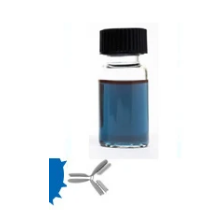
NanoUrchins are a specialized form of nanoparticles characterized by their spiky, starburst-like surface. Unlike conventional nanoparticles, which are typically spherical, NanoUrchins have a high surface-to-volume ratio, thanks to their pointed and branched structures. This unique architecture not only improves their reactivity but also enhances their functional properties, making them ideal for complex clinical applications.
The architecture of NanoUrchins enhances the binding and stability of functional biomolecules on their surface. This makes them exceptionally effective in delivering targeted therapies and in performing diagnostic tasks that require high precision. Their unique properties are particularly valuable in applications where high sensitivity, stability, and surface interaction are essential.
Advantages of NanoUrchins in Clinical Applications
Enhanced Drug Delivery:
The high surface area of NanoUrchins allows them to carry more drug molecules compared to conventional nanoparticles. This makes them highly effective in targeted drug delivery systems. NanoUrchins can also attach multiple targeting agents to their surface, allowing for enhanced precision in reaching specific tissues or cells, such as cancerous cells. Their unique morphology increases cellular uptake and retention within target sites, leading to higher efficacy with potentially lower doses, reducing side effects.
Improved Diagnostic Sensitivity:
NanoUrchins are ideal for applications requiring high sensitivity, such as biomarker detection in blood tests. The star-like structure enhances the interaction between the NanoUrchin and the target molecule, improving binding efficiency. For example, NanoUrchins can be used in surface-enhanced Raman scattering (SERS) applications, which require nanoparticles with high optical sensitivity. Studies have shown that NanoUrchins provide sharper Raman signals compared to conventional spherical nanoparticles, making them invaluable in sensitive diagnostics.
Enhanced Imaging Contrast:
Medical imaging techniques, including MRI and CT scans, benefit from the higher contrast provided by NanoUrchins. Their unique structure interacts differently with imaging contrast agents, often leading to enhanced signal visibility and clearer images. This property can significantly improve imaging accuracy in clinical settings, aiding doctors in better identifying and assessing diseased tissues.
Increased Stability in Biological Environments:
Stability is a key factor for nanoparticles used in clinical settings. NanoUrchins demonstrate excellent stability in various physiological conditions, including blood and bodily fluids, compared to spherical nanoparticles. Their enhanced stability minimizes premature degradation and reduces the potential for unwanted reactions within the body, ensuring that they remain effective until reaching their intended target.
Potential in Theranostics:
Theranostics, the integration of therapeutic and diagnostic functions, is an emerging field benefiting from NanoUrchins. With their ability to carry both therapeutic agents and diagnostic markers, NanoUrchins provide a powerful platform for real-time monitoring of treatment efficacy. This integration of diagnosis and therapy is particularly beneficial in personalized medicine, allowing for immediate adjustments to treatment plans based on the patient’s response.
NanoUrchins vs. Conventional Nanoparticles: Key Differences
Feature
NanoUrchins
Conventional Nanoparticles
Surface Area
High due to spiky morphology
Lower due to smooth spherical shape
Binding Capacity
Higher due to increased surface points
Limited binding sites
Stability
Highly stable in biological environments
Moderate stability
Targeting Precision
High precision due to multi-agent capability
Lower targeting precision
Diagnostic Sensitivity
Exceptional for SERS and imaging
Standard sensitivity
Why NanoUrchins Are Transforming Clinical Applications
NanoUrchins represent a leap forward in nanomedicine due to their unique structure, high sensitivity, and stability. Their ability to perform dual roles in theranostics aligns well with the personalized medicine approach, which seeks to tailor treatments based on individual patient profiles. NanoUrchins facilitate precise targeting and efficient imaging, reducing the time needed to diagnose and treat patients effectively.
Nanodiagnosticsindia, a prominent supplier of advanced nanomaterials, plays a vital role in making these NanoUrchins accessible for clinical research and applications. By providing high-quality NanoUrchins, they support cutting-edge research and contribute to the development of revolutionary treatments and diagnostic tools.
Conclusion
The development of NanoUrchins opens new doors for clinical applications by offering advanced features over conventional nanoparticles. Their unique structure and capabilities improve drug delivery, diagnostic sensitivity, and imaging precision, creating exciting possibilities in personalized and precision medicine.
With suppliers like nanodiagnosticsindia under Reinste, researchers and clinicians have access to these innovative materials, setting a foundation for next-generation healthcare solutions that improve patient outcomes and diagnostic accuracy.
References
- Zhou, Y., et al. (2020). "Enhanced Drug Delivery and Imaging Using Nanourchin Structures in Cancer Therapy." Open Nanomedicine Journal.
- Smith, R., et al. (2019). "Theranostic Applications of Star-Shaped Nanoparticles: Current Perspectives." Journal of Biomedical Nanotechnology.
- Wang, Q., & Li, H. (2021). "Surface Enhanced Raman Scattering Using NanoUrchins for Biomarker Detection." International Journal of Advanced Biosensing.