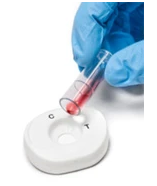
Superparamagnetic Iron Oxide Nanoparticles (SPIONs) have emerged as a cornerstone in nanotechnology, offering unparalleled applications across biomedical and industrial sectors. Their unique magnetic properties, coupled with versatile functionalization capabilities, make them indispensable in modern science and technology.
Synthesis and Functionalization of SPIONs
The journey of SPION synthesis from conceptualization to application begins with their synthesis and functionalization. These processes are pivotal in determining the nanoparticles' properties and suitability for specific applications.
Chemical Methods of Synthesis
Chemical synthesis methods are widely employed to produce SPIONs with controlled size and morphology.
Key techniques include:
- Co-precipitation: This is the most common method, involving the simultaneous precipitation of ferrous and ferric ions in an alkaline medium. The process parameters, such as pH, temperature, and ionic strength, are meticulously controlled to achieve nanoparticles with desired characteristics.
- Thermal Decomposition: This method involves the decomposition of organometallic precursors at elevated temperatures in the presence of surfactants. It allows for the production of monodisperse SPIONs with uniform size distribution.
Physical Methods of Synthesis
Physical synthesis methods offer alternative routes to SPION synthesis production, often resulting in nanoparticles with unique properties:
- Microwave-Assisted Synthesis: Utilizing microwave radiation, this technique accelerates the reaction kinetics, leading to the rapid formation of SPIONs with controlled size and morphology.
- Sonochemical Synthesis: This method employs ultrasonic waves to induce cavitation, facilitating the formation of SPIONs under ambient conditions
Surface Modification Techniques
The inherent surface properties of SPIONs necessitate modification to enhance their stability, biocompatibility, and functionality. Common surface modification techniques include:
Polymer Coating: Polymers such as polyethylene glycol (PEG) are used to coat SPIONs, improving their dispersion stability and reducing immunogenicity.
Silica Coating: Encapsulation of SPION synthesis with a silica shell enhances their chemical stability and provides a platform for further functionalization.
Functionalization for Targeted Applications
Functionalization imparts specific functionalities to SPIONs, tailoring them for targeted applications:
Bioconjugation:
Attachment of biomolecules, such as antibodies or peptides, to SPION synthesis enables targeted delivery to specific cells or tissues, enhancing the efficacy of therapeutic interventions.
Drug Loading:
SPIONs can be engineered to carry therapeutic agents, facilitating controlled drug release at targeted sites, thereby minimizing systemic side effects.
Conclusion
The synthesis and functionalization of SPIONs are critical in harnessing their full potential across various applications. Advances in chemical and physical synthesis methods, coupled with innovative surface modification and functionalization strategies, continue to expand the horizons of SPION utility in both biomedical and industrial domains.