
Nano Copper: The Future of Advanced Materials
In the rapidly evolving field of nanotechnology, nano copper has emerged as a revolutionary material with remarkable properties and diverse industrial applications. With its exceptional electrical conductivity, antimicrobial properties, and high surface area, nano copper is driving innovation in multiple sectors, including electronics, healthcare, and manufacturing. As industries look for high-performance, cost-effective, and sustainable materials, nano copper is quickly gaining prominence as a game-changing element.
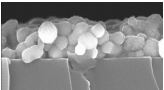
What is Nano Copper?
Nano copper refers to copper particles that have been reduced to nanoscale dimensions, typically between 1 and 100 nanometers. At this scale, copper exhibits unique chemical and physical properties, such as enhanced reactivity, increased surface-to-volume ratio, and superior conductivity. These properties make nano copper an essential component in cutting-edge technologies.
Key Properties of Nano Copper
Nano copper’s extraordinary characteristics make it a preferred choice in various industries. Some of its most notable properties include:
- High Electrical Conductivity – Nano copper retains the excellent conductivity of bulk copper while offering improved performance in nanoelectronics and conductive inks.
- Superior Antimicrobial Activity – Nano copper particles have strong antibacterial and antiviral properties, making them effective in healthcare applications.
- Enhanced Thermal Conductivity – The material efficiently dissipates heat, making it ideal for cooling systems in electronics and industrial machinery.
- Increased Surface Area – At the nanoscale, copper has a higher surface area, leading to improved chemical reactivity and performance in catalysis.
- Mechanical Strength – Nano copper-based composites exhibit improved durability and mechanical properties.
- Oxidation Resistance – With advanced coating technologies, nano copper can be engineered to resist oxidation, increasing its lifespan in various applications.
Applications of Nano Copper
1. Electronics and Conductive Inks
Nano copper is increasingly used in printed electronics and flexible circuits as a cost-effective alternative to silver. Its high conductivity and low cost make it an ideal material for applications such as:
- Conductive inks for printed circuit boards (PCBs)
- Flexible and wearable electronics
- RFID (Radio-Frequency Identification) tags
2. Healthcare and Antimicrobial Coatings
Due to its strong antimicrobial properties, nano copper is widely used in the healthcare sector. Applications include:
- Antibacterial coatings for medical devices and hospital surfaces
- Antiviral textiles for masks, gloves, and protective clothing
- Wound dressings and antibacterial bandages
3. Energy and Batteries
Nano copper plays a crucial role in improving energy storage and efficiency. It is used in:
- High-performance lithium-ion batteries
- Supercapacitors for energy storage
- Conductive additives in fuel cells
4. Industrial Catalysis and Chemical Processing
Nano copper’s high surface area makes it an excellent catalyst for chemical reactions. It is used in:
- Hydrogenation and oxidation reactions in the chemical industry
- CO2 reduction for sustainable fuel production
- Water purification and wastewater treatment
5. Aerospace and Automotive Industry
Nano copper composites are being integrated into aerospace and automotive components due to their lightweight and high-strength properties. Key applications include:
- Thermal management coatings for aircraft and spacecraft
- High-strength composite materials for automotive parts
- Lubricant additives for enhanced engine efficiency
Advantages of Nano Copper Over Conventional Copper
Nano copper offers several advantages compared to traditional copper, making it a preferred material in advanced technologies:
- Cost-Effectiveness: Provides a lower-cost alternative to expensive materials like silver while maintaining high conductivity.
- Improved Performance: Enhanced electrical, thermal, and antimicrobial properties make it suitable for high-tech applications.
- Lightweight and Efficient: Ideal for industries where weight reduction and efficiency are crucial.
- Eco-Friendly: Reduces material consumption and enables more sustainable manufacturing processes.
Challenges and Future Prospects
Despite its numerous advantages, nano copper faces certain challenges, such as:
- Oxidation Sensitivity: Nano copper particles can oxidize quickly, which can reduce their conductivity. However, researchers are developing coatings and alloying techniques to mitigate this issue.
- Scalability: Large-scale production of nano copper at an affordable cost remains a challenge, but advancements in nanomanufacturing are helping address this concern.
- Regulatory Concerns: As with all nanomaterials, safety and environmental impact studies are essential before widespread adoption.
Conclusion
Nano copper is revolutionizing multiple industries with its unique properties, cost-effectiveness, and versatile applications. Whether in electronics, healthcare, energy, or manufacturing, its benefits are undeniable. As technological advancements continue to drive demand for high-performance materials, nano copper is poised to become an essential element in the next era of innovation. more