Antifungal and Antibacterial Fabric Coating for Hospitality & Tourism Industry
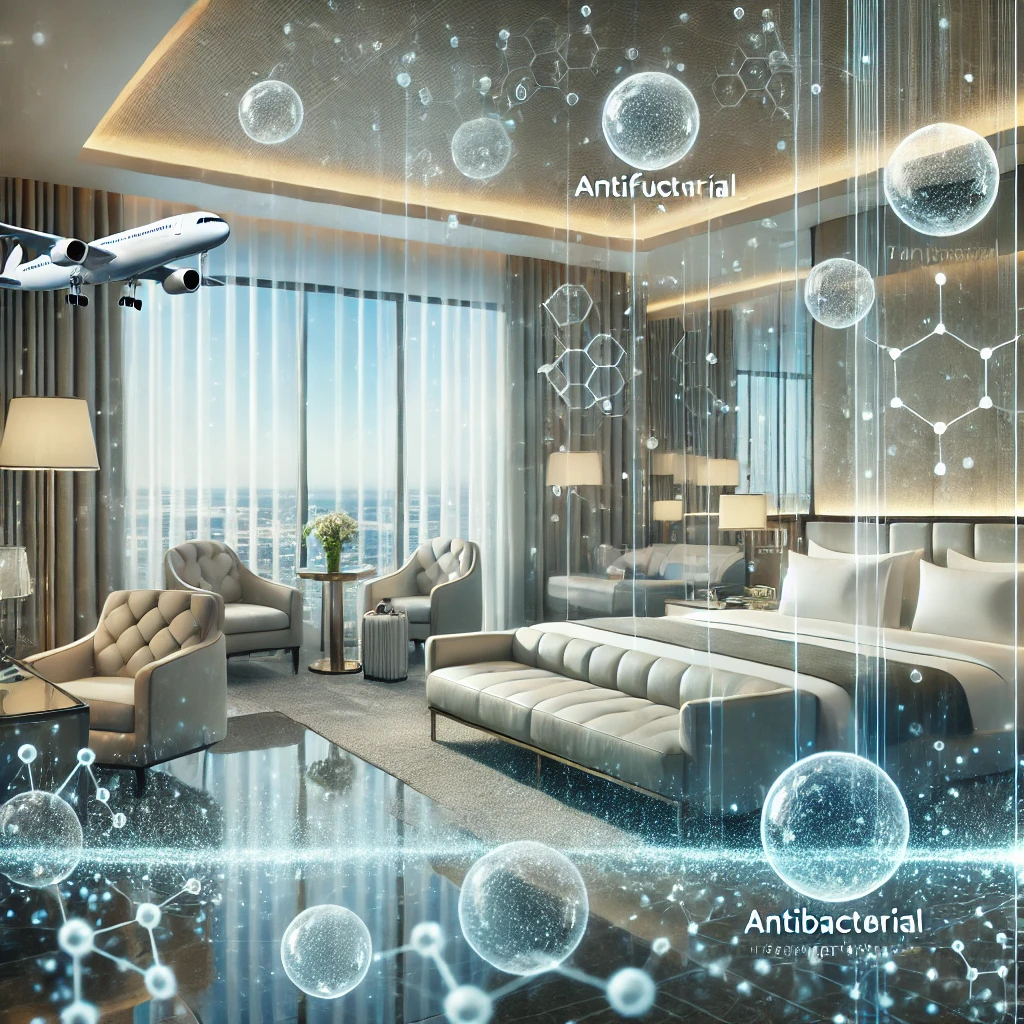
The hospitality and tourism industry thrives on providing exceptional guest experiences, and cleanliness plays a pivotal role in achieving this. In an era where hygiene is a top priority, the antifungal and antibacterial transparent nanotechnology-based coating system for fabrics is a game-changer. This innovative solution offers durability (up to 50 washes), transparency, REACH compliance, and easy application methods (foliar or spray), making it ideal for a wide range of applications in the hospitality sector.
Why Hospitality & Tourism Needs This Technology
The hospitality industry faces unique challenges, including:
- High guest turnover: Frequent use of linens, uniforms, and upholstery increases the risk of microbial contamination.
- Humid environments: Hotels and resorts in tropical regions like India are prone to mold and mildew growth.
- Guest expectations: Modern travelers prioritize cleanliness and hygiene when choosing accommodations.
The antifungal and antibacterial coating system addresses these challenges by providing long-lasting protection against bacteria, fungi, and odors, while maintaining the aesthetic appeal of fabrics.
Key Applications in Hospitality & Tourism
1. Hotel Linens and Bedding
Need: Ensuring hygienic and fresh bedding for guests.
Hotel linens, including bedsheets, pillowcases, and duvet covers, are in constant contact with guests. This coating system ensures:
- Antimicrobial protection: Prevents the growth of bacteria and fungi, reducing the risk of infections.
- Odor control: Keeps bedding fresh, even after multiple uses.
- Durability: Withstands up to 50 washes, reducing replacement costs.
Example: Luxury hotels in humid regions like Goa and Kerala can use this technology to maintain pristine bedding, enhancing guest satisfaction.
2. Uniforms for Staff
Need: Maintaining hygiene and professionalism among staff.
Hotel staff uniforms are exposed to sweat and contaminants daily. This coating system offers:
- Antibacterial properties: Keeps uniforms fresh and hygienic throughout long shifts.
- Odor resistance: Prevents unpleasant smells caused by bacterial growth.
- Easy maintenance: Reduces laundering frequency, saving time and resources.
Example: Housekeeping and kitchen staff uniforms in high-end resorts can benefit from this technology, ensuring a clean and professional appearance.
3. Upholstery and Curtains
Need: Preventing mold and mildew in humid environments.
Hotel upholstery and curtains are often exposed to moisture, making them susceptible to mold and mildew. This coating system provides:
- Mold resistance: Protects fabrics from fungal growth, especially in coastal and tropical regions.
- Long-lasting freshness: Maintains the aesthetic appeal of upholstery and curtains.
- Easy application: Can be applied to existing fabrics via spray or foliar methods.
Example: Resorts in coastal areas like Chennai or Mumbai can use this technology to protect their furniture and curtains from humidity-related damage.
4. Table Linens and Napkins
Need: Ensuring clean and hygienic dining experiences.
Table linens and napkins are frequently used and laundered, making durability and hygiene critical. This coating system ensures:
- Antimicrobial protection: Keeps table linens free from harmful bacteria.
- Stain resistance: Enhances fabric durability, reducing wear and tear.
- Cost savings: Extends the lifespan of linens, reducing replacement costs.
Example: Fine-dining restaurants in metropolitan cities like Delhi and Bangalore can use this technology to maintain impeccable table settings.
5. Towels and Bathrobes
Need: Providing guests with fresh and hygienic bath products.
Towels and bathrobes are essential for guest comfort but are prone to bacterial growth and odors. This coating system offers:
- Antibacterial properties: Keeps towels and bathrobes hygienic.
- Odor control: Ensures a fresh feel, even after multiple uses.
- Softness retention: Maintains fabric texture and comfort.
Example: Spa resorts in Rishikesh or Ooty can use this technology to enhance the guest experience by providing fresh and hygienic towels and bathrobes.
6. Lobby and Common Area Fabrics
Need: Maintaining cleanliness in high-traffic areas.
Lobby furniture, cushions, and drapes are exposed to constant use, making them prone to contamination. This coating system ensures:
- Antimicrobial protection: Keeps common area fabrics clean and safe.
- Durability: Withstands frequent use and cleaning.
- Aesthetic preservation: Maintains the visual appeal of fabrics.
Example: Luxury hotels in tourist hotspots like Jaipur or Udaipur can use this technology to maintain pristine common areas.
Benefits for the Hospitality Industry
- Enhanced guest satisfaction: Clean and hygienic fabrics contribute to a positive guest experience.
- Cost savings: Reduced laundering and replacement costs improve operational efficiency.
- Sustainability: Durable fabrics reduce waste, aligning with eco-friendly practices.
- Compliance: REACH compliance ensures safety for guests and staff.
Examples of Real-World Applications
- Taj Hotels: Implementing antimicrobial linens and uniforms to enhance guest safety.
- Oberoi Resorts: Using mold-resistant upholstery in coastal properties.
- ITC Hotels: Adopting antibacterial table linens for fine-dining restaurants.
Conclusion
The antifungal and antibacterial transparent nanotechnology-based coating system for fabrics is transforming the hospitality and tourism industry by addressing critical hygiene and durability challenges. From hotel linens to staff uniforms, this technology ensures a cleaner, safer, and more sustainable environment for guests and staff alike.
As Indian travelers increasingly prioritize hygiene, adopting this innovative solution can set your property apart, ensuring repeat business and positive reviews. Embrace the future of hospitality fabrics today and elevate your guest experience to new heights.