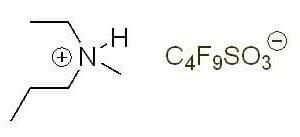
Ionic liquids (ILs) Green Organic Synthesis are revolutionizing organic chemistry by providing eco-friendly, versatile, and efficient alternatives to traditional solvents. Their unique properties, including negligible vapor pressure, high thermal stability, and tunable polarity, make them ideal for a variety of chemical processes. ILs facilitate smoother reactions with better selectivity, enabling more sustainable and efficient organic synthesises methods.
Green Organic Synthesis: Eco-Friendly Reactions with Ionic Liquids
- The demand for green chemistry has spurred interest in alternative solvents that minimize environmental impact. Ionic liquids stand at the forefront of this movement, offering solutions to some of the industry's most pressing challenges. ILs can be tailored to support eco-friendly reactions, replacing volatile organic compounds (VOCs) and reducing harmful emissions in chemical processes.
- Their ability to dissolve a broad range of compounds that are otherwise insoluble in traditional solvents offers new opportunities in organic synthesises. This capability enhances reaction efficiency, improves catalyst reusability, and simplifies product isolation, resulting in reduced waste and energy consumption.
- One of the most remarkable features of ILs is their tunable viscosity and polarity, allowing for the optimization of reaction conditions. By selecting the right ionic liquid, chemists can significantly enhance the selectivity of reactions, including enantioselective processes, which are vital in pharmaceuticals and specialty chemicals. Moreover, the stability of ILs allows for the use of more sensitive or aggressive reagents that would otherwise be challenging to handle.
Eco-Friendly Advantages in Organic Reactions
Using ILs in organic synthesises offers several benefits:
- Sustainable Reactions: The non-volatile nature of ILs contributes to reducing air pollution and the use of harmful solvents.
- Reusability: Ionic liquids can be reused multiple times, reducing material waste and operational costs.
- Enhanced Selectivity: ILs enable precise control over reaction pathways, which is essential in the synthesis of high-value products.
- Catalyst Efficiency: ILs facilitate the recovery and reuse of precious catalysts, enhancing the cost-effectiveness of chemical processes.
Why Choose Ionic Liquids for Organic Synthesis?
Ionic liquids provide a safer, greener, and more efficient alternative to traditional solvents. Their customization and low toxicity make them an ideal choice for academic research, green chemistry applications, and industrial processes focused on sustainability.
The ability to create a tailored solvent for specific reactions gives chemists unprecedented control over reaction conditions, enhancing both the quality and yield of desired products. By integrating ILs into their processes, laboratories and industries can achieve cleaner, more cost-effective results.
Conclusion
Ionic liquids are transforming the landscape of organic synthesises by offering highly sustainable and versatile solvent alternatives. As industries continue to embrace green chemistry, ionic liquids are poised to play an even more significant role in advancing eco-friendly reactions. By adopting ILs, researchers can reduce their environmental footprint while improving efficiency and product quality in their chemical processes.