Harnessing Ionic Liquid for Efficient Energy Storage Solutions
Energy storage is one of the most critical aspects of modern energy systems, and Phase Change Materials (PCMs) have emerged as a promising solution. By storing and releasing thermal energy during their transition between solid and liquid states, PCMs can help optimize energy use, improve energy efficiency, and support renewable energy applications.
What are Phase Change Materials?
Phase Change Materials are substances that absorb or release a significant amount of thermal energy when they change states—from solid to liquid or vice versa. This ability to store latent heat enables PCMs to act as energy buffers. These materials are ideal for applications where thermal energy needs to be stored and released cyclically, such as in building temperature regulation, waste heat recovery, and energy grid management.
The Perfect Fit for PCMs
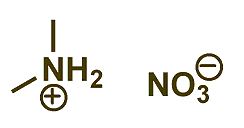
Ionic liquid (ILs) have gained considerable attention in the realm of PCMs due to their exceptional properties. These materials offer non-flammability, high heat capacities, and effective heat transfer capabilities, making them perfect candidates for energy storages systems.
Some advantages of ionic liquid as PCMs include:
- Non-flammability: Ensures a safe energy storages solution.
- Efficient Phase Transition: ILs can achieve clean and consistent transitions between liquid and solid states, unlike traditional PCMs that might experience supercooling.
- High Heat Capacity and Conductivity: Ionic liquid have an impressive heat storage capacity, which allows for high energy densities and effective heat transfer.
- Low Vapor Pressure: This characteristic ensures that no energy is lost due to evaporation at high temperatures.
These properties make ionic liquids an excellent choice for advanced thermal management systems in both residential and industrial applications.
Applications of Ionic Liquid in Energy Storages
Ionic liquids in PCMs can be utilized in various applications, from everyday household energy management to large-scale industrial energy systems. Some key applications include:
- Cyclic Storage and Release of Thermal Energy: For buildings and industrial systems, allowing for efficient use of stored energy.
- Waste Heat Recovery: Efficiently capturing and storing excess heat from industrial processes for later use.
- Off-Peak Power Utilization: Storing energy during off-peak hours to be used during peak demand, reducing energy costs.
- Latent Heat Storage Devices: Devices designed to store energy during temperature fluctuations, improving energy efficiency.
- Cold and Heat Buffers: For more consistent temperature regulation in various industries.
Why Choose Ionic Liquid for Energy Storages?
Ionic liquid offer numerous advantages for thermal energy storages systems, including safety, efficiency, and environmental sustainability. Their ability to efficiently store and release large amounts of thermal energy without significant temperature change makes them superior to traditional materials. As research continues to develop new formulations, ionic liquid promise to revolutionize the field of energy storages.
Conclusion
The integration of ionic liquids into phase change materials represents a significant advancement in energy storages technology. Their high efficiency, safety, and versatility make them a top choice for a variety of applications. As industries seek sustainable and cost-effective energy solutions, ionic liquid-based PCMs are poised to play a critical role.