Supercapacitors, also known as ultracapacitors, are pivotal in modern energy storage, bridging the gap between conventional capacitors and batteries. They offer rapid charge-discharge cycles and exceptional longevity, making them indispensable in applications requiring swift energy delivery and storage.
Understanding Supercapacitors
Unlike traditional capacitors that store energy electrostatically, supercapacitor utilize both electrostatic and electrochemical mechanisms. This dual approach enables them to achieve higher energy densities while maintaining superior power densities. The core components of a supercapacitor include electrodes, electrolytes, and a separator. The choice of electrolyte is crucial, as it significantly influences the device's performance, stability, and safety.
The Role of Ionic Liquids in Enhancing Supercapacitor Performance
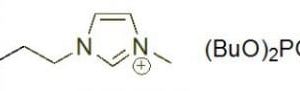
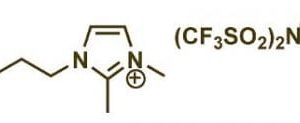
Ionic liquids (ILs) are salts in a liquid state at room temperature, composed entirely of ions. They have garnered attention as promising electrolytes for supercapacitor due to several inherent advantages:
Wide Electrochemical Stability Window:
ILs can operate over a broad voltage range, facilitating higher energy storage capacities.
Sigma-Aldrich
Non-Volatility and Non-Flammability:
The negligible vapor pressure of ILs enhances the safety profile of supercapacitor, reducing risks associated with leakage or combustion.
Sigma-Aldrich
High Ionic Conductivity:
ILs exhibit excellent ionic conductivity, ensuring efficient charge transport and rapid charging-discharging cycles.
Sigma-Aldrich
Thermal Stability:
ILs maintain stability across a wide temperature spectrum, ensuring consistent performance under varying environmental conditions.
Sigma-Aldrich
By integrating ILs as electrolytes, supercapacitor can achieve enhanced energy densities and prolonged operational lifespans, addressing limitations associated with traditional electrolytes.
Advantages of Supercapacitor with Ionic Liquid Electrolytes
Extended Lifespan: The inherent stability of ILs contributes to the durability of supercapacitor, supporting over a million charge-discharge cycles without significant degradation.
Escies
Enhanced Safety: The non-flammable nature of ILs minimizes hazards related to overheating or short circuits, making them suitable for applications where safety is paramount.
Escies
Improved Energy and Power Density: The combination of high ionic conductivity and a wide electrochemical window allows for the development of supercapacitor that deliver both high energy and power densities.
Frontiers
Applications and Future Prospects
The integration of ionic liquids in supercapacitor technology opens avenues for advancements in various sectors:
- Renewable Energy Systems: Supercapacitor can store and deliver energy efficiently, complementing renewable energy sources like solar and wind.
- Automotive Industry: In electric and hybrid vehicles, supercapacitor provide rapid energy bursts for acceleration and recover energy during braking.
- Consumer Electronics: Devices benefit from quick charging capabilities and extended lifespans offered by supercapacitor.
Ongoing research focuses on optimizing the compatibility between ILs and electrode materials, as well as developing cost-effective and environmentally friendly ionic liquids to further enhance supercapacitor performance.
Conclusion
Supercapacitors, augmented with ionic liquid electrolytes, represent a significant leap in energy storage technology. Their unique combination of high energy and power densities, coupled with enhanced safety and longevity, positions them as a formidable solution for the evolving demands of modern energy storage applications.