
Material Data:
Product Name | Bacterial Cellulose Film |
Chemical Composition | Cellulose |
Specifications and Models | 2% |
Fiber Diameter | 50–100 nm |
Fiber Length | >20 µm |
Crystal Structure | Cellulose Type I |
Surface Functional Groups | Hydroxyl |
Product Appearance
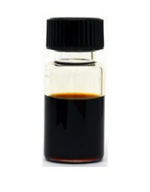
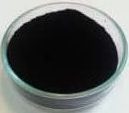
The bacterial cellulose film exhibits a smooth, translucent surface, indicative of its nanoscale fibrous network. This structure contributes to its exceptional mechanical strength and flexibility.
Product Characterization
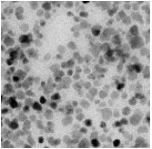
Scanning Electron Microscopy (SEM) images reveal a dense, interwoven network of nanofibers, each with diameters ranging from 50 to 100 nm and lengths exceeding 20 μm. This intricate architecture imparts high tensile strength and durability to the material.
Instructions for Use
Bacterial cellulose (BC) is an ultra-high aspect ratio fibrous nanomaterial produced through the biological fermentation of sugars by Clostridium acetobutylicum. The resulting fibers have diameters between 50 and 100 nm and lengths greater than 20 μm. Notably, BC can absorb approximately 200 times its weight in water, making its gel form highly absorbent with excellent water retention properties. These characteristics render BC an ideal carrier material for cosmetics and pharmaceuticals. Additionally, its elongated crystal structure provides mechanical strength that surpasses conventional plant fibers, positioning it as an excellent reinforcing material.
Usage Guidelines:
Block Gel: For applications requiring block gel forms, please specify the desired length, width, and thickness in advance to ensure precise customization.
Gel Powder: The gel powder can be adjusted to specific concentrations based on the solid content required for your application.
Applications
Bacterial cellulose film's unique properties enable its use across various industries:
High-Strength Gels: Utilized in medical wound dressings due to its superior water retention and mechanical strength.
Specialty Papers: Employed in the production of ultra-strength papers and specialty paper products.
Earphone Membranes: Serves as a component in acoustic diaphragms for earphones, enhancing sound quality.
Pharmaceutical Excipients: Acts as a carrier in drug delivery systems, improving the efficacy of active pharmaceutical ingredients.
Facial Masks: Incorporated into cosmetic facial masks for its hydrating and skin-friendly properties.
References
Pandey, A., Singh, M. K., & Singh, A. (2023). Bacterial cellulose: A smart biomaterial for biomedical applications. Journal of Materials Research, 39(2), 2–18. [https://link.springer.com/article/10.1557/s43578-023-01116-4]
Zhong, C. (2020). Industrial-scale production and applications of bacterial cellulose. Frontiers in Bioengineering and Biotechnology, 8, 605374. [https://www.frontiersin.org/articles/10.3389/fbioe.2020.605374/full]
Dima, S.-O., Panaitescu, D.-M., Orban, C., Ghiurea, M., & Doncea, S.-M. (2018). Bacterial nanocellulose from side-streams of kombucha beverages production: Preparation and physical-chemical properties. Polymers, 10(11), 1237. [https://www.mdpi.com/2073-4360/10/11/1237]
By leveraging the exceptional properties of bacterial cellulose film, industries can develop innovative products that meet high-performance standards across various applications.